Can Cats Eat Blackberries? Vet Safety Guide & Portion Rules
The Curiosity Factor
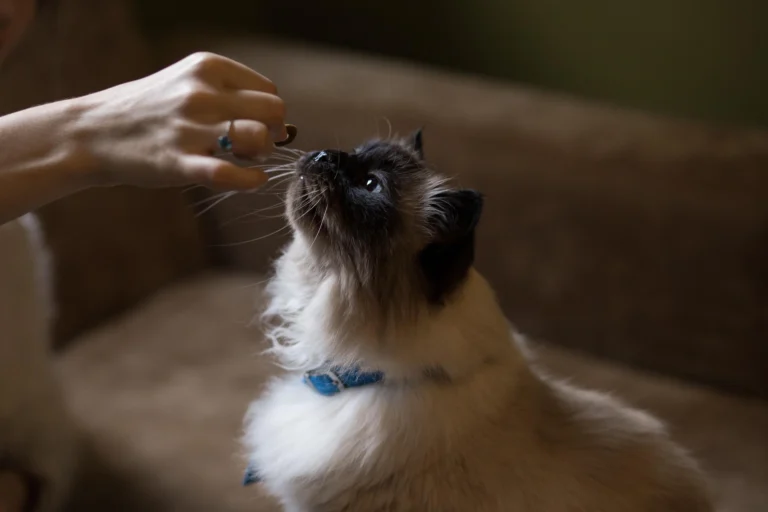
You’re sitting on your porch enjoying fresh blackberries when your cat saunters over and starts licking at the dark fruit. You freeze can cats eat blackberries? Is this safe?
The bottom line: Blackberries are non-toxic and safe for cats in tiny amounts, but they’re a “curiosity treat” rather than a nutritional necessity. Many cat owners ask the same question about whether cats can eat blackberries, and the answer is yes with strict conditions.
Most cats aren’t naturally drawn to fruit, but some show interest based on texture, moisture, or curiosity.
Here’s the critical distinction: cats lack taste receptors to perceive sweetness, so they’re not enjoying the sugary flavor like you are. If your cat is interested in blackberries, she’s attracted to the aroma or moisture, not the sugar.
Understanding if cats can eat blackberries safely means looking beyond toxicity to what their digestive system can actually handle.
While what can cats eat varies by food type, berries represent a unique category that requires careful consideration and monitoring.
Table of Contents
Feline Biology: Why Berries Aren’t “Superfoods” for Cats
Cats are obligate carnivores, meaning they’re biologically built to derive all essential nutrients from animal protein and fat. Fruit including blackberries provides no meaningful nutritional benefit to them.
While blackberries are advertised as high in Vitamin C and antioxidants, there’s an important paradox: cats synthesize their own Vitamin C internally and don’t need to ingest it from plant sources. Unlike humans, felines don’t suffer from Vitamin C deficiency their bodies produce what they need.
Equally important is digestive design. Your cat’s gut microbiome is optimized for protein digestion, not plant matter processing. Blackberries’ high fiber and natural sugar content can overwhelm a cat’s digestive system, which lacks the enzymes needed to break down plant carbohydrates efficiently. A single berry might pass through without issue, but larger quantities often trigger digestive distress.
Trends and Professional Perspectives
The rise of “holistic pet care” and Instagram photos of cats eating berries have normalized the idea that fruit is healthy for felines. Veterinarians and animal nutritionists, however, emphasize a more cautious approach:
- Veterinarians stress moderation and constant monitoring for vomiting, diarrhea, or lethargy.
- Animal Nutritionists acknowledge that while berries contain antioxidants, they should never replace a balanced, feline-specific diet.
- Behaviorists note that many cats are naturally indifferent to fruit offering blackberries respects individual preference but isn’t recommended as a feeding strategy.
The consensus? Blackberries are occasional novelties, not dietary staples.
The “One-Berry Rule”: Serving & Portion Guide
How Much Is Safe?
Recommended portion: Limit treats to one single mashed or quartered blackberry occasionally for a healthy adult cat. Apply the 10% rule: all treats combined should make up less than 10% of your cat’s daily calorie intake.
Preparation Steps:
- Wash thoroughly to remove pesticides, dirt, and contaminants.
- Remove stems and leaves, which can be toxic or pose choking hazards.
- Mash or slice the berry to prevent choking and aid digestion.
- Serve at room temperature never frozen or heated.
Real-Life Scenario:
A 10-pound indoor cat needs roughly 250 calories per day. The 10% rule allows ~25 calories for treats. A single blackberry has approximately 1-2 calories, so one berry poses no caloric concern, but the fiber and sugar are the limiting factors.
Critical Risks and Health Warnings
🔴 Avoid | 🟡 Moderate | 🟢 Safe
| Status | Food/Scenario | Risk Level | Action |
|---|---|---|---|
| 🔴 AVOID | Processed blackberry jams/syrups | High”Xylitol“ | Never feed; can cause liver failure |
| 🔴 AVOID | Wild blackberries with thorny canes | High “Injury“ | Risk of mouth/paw wounds |
| 🟡 MODERATE | Fresh blackberries (1 per week) | Low “Digestion“ | Monitor for soft stool |
| 🟢 SAFE | One mashed blackberry (rare) | Very Low | Safe for healthy adults |
The Xylitol Danger
Never offer processed blackberry products (jams, syrups, or sugar-free treats). Many contain xylitol, an artificial sweetener that’s highly toxic to cats, causing rapid insulin release, hypoglycemia, and liver damage. A small amount can be fatal.
Diabetes Warning
Blackberries are high in natural sugars (7-8g per 100g). Diabetic cats should avoid them entirely, as they can spike blood glucose levels and complicate insulin management. If your cat has diabetes, consult your vet before introducing any new foods.
Gastrointestinal Upset
The most common issue is diarrhea, soft stool, or vomiting caused by the fruit’s fiber and sugar content. These are harmless if temporary but signal your cat’s digestive system isn’t tolerating the berry well.
Special Considerations: Age and Health Status
Kittens: Should not receive blackberries until at least 6 months old, when their digestive systems mature.
Senior Cats: May enjoy them as a rare novelty, but consult your vet before introducing new foods to an aging cat’s diet.
Prescription Diets: Cats on specific medical diets (kidney disease, diabetes, digestive issues) should not receive fruit without veterinary approval, even small amounts can interfere with therapeutic nutrition.
Understanding what fruits can cats eat becomes even more critical when your cat has specific health needs or dietary restrictions.
Healthier, Species-Appropriate Alternatives
If you want to reward your cat with a treat, protein-first options are far superior:
- Plain cooked chicken or turkey (unseasoned, skinless)
- Lightly cooked fish (salmon, tuna no bones)
- Cooked egg (fully cooked, unsalted)
If your cat genuinely enjoys fruit, safer alternatives include small amounts of blueberries for cats, can cats eat pears, or other options featured in our best berries for cats guide, but remember: all should be rare treats, not dietary staples.
Emergency Monitoring and Contact Info
Observation Window
Signs of illness typically appear 12 to 24 hours after ingestion.
Symptoms to Watch
- Repeated vomiting
- Lethargy or unusual behavior
- Shaking or tremors
- Abdominal pain or straining
Emergency Contacts (US)
- Pet Poison Helpline: 855-764-7661 ($65-75 consultation fee, available 24/7)
- ASPCA Animal Poison Control: 888-426-4435 (also 24/7, similar fee)
If your cat ate processed blackberries containing xylitol, seek emergency care immediately don’t wait for symptoms.
Conclusion
Blackberries are non-toxic for cats but offer zero nutritional value and pose digestive risks. A single mashed berry occasionally won’t harm a healthy adult cat, but they’re neither necessary nor recommended. Your cat’s nutrition should come from feline-specific foods and protein-based treats.
When in doubt, stick to what cats actually evolved to eat: meat. Always prioritize understanding your cat’s individual dietary needs through consultation with your veterinarian.
❓ FAQ SECTION (6 Questions)
1. Can cats eat blackberry leaves or stems?
No. Stems and leaves can be choking hazards or cause mild toxicity in large quantities. Always remove them before offering any part of the berry.
2. What if my cat ate an entire blackberry?
One whole blackberry is unlikely to cause serious harm in a healthy adult cat. Monitor for 24-48 hours for vomiting, diarrhea, or lethargy. Contact your vet if symptoms persist.
3. Are frozen blackberries safe for cats?
Technically safe, but frozen berries are harder to chew and pose a slight choking risk. Always thaw and mash before offering.
4. Can kittens eat blackberries?
No. Wait until at least 6 months old. Kittens’ digestive systems are delicate and can’t handle the fiber and sugar.
5. Are wild blackberries different from store bought ones?
Wild blackberries may carry pesticide residue or contamination. Additionally, thorny canes can injure your cat’s mouth or paws. Store-bought berries are safer if your cat accidentally eats them.
6. Why does my cat want to eat blackberries if they’re not good for her?
Cats are curious animals attracted to movement, texture, and moisture. Your cat isn’t seeking nutrition, she’s exploring.