Can Cats Eat Papaya? Vets Warn: Seeds and Safety Protocol
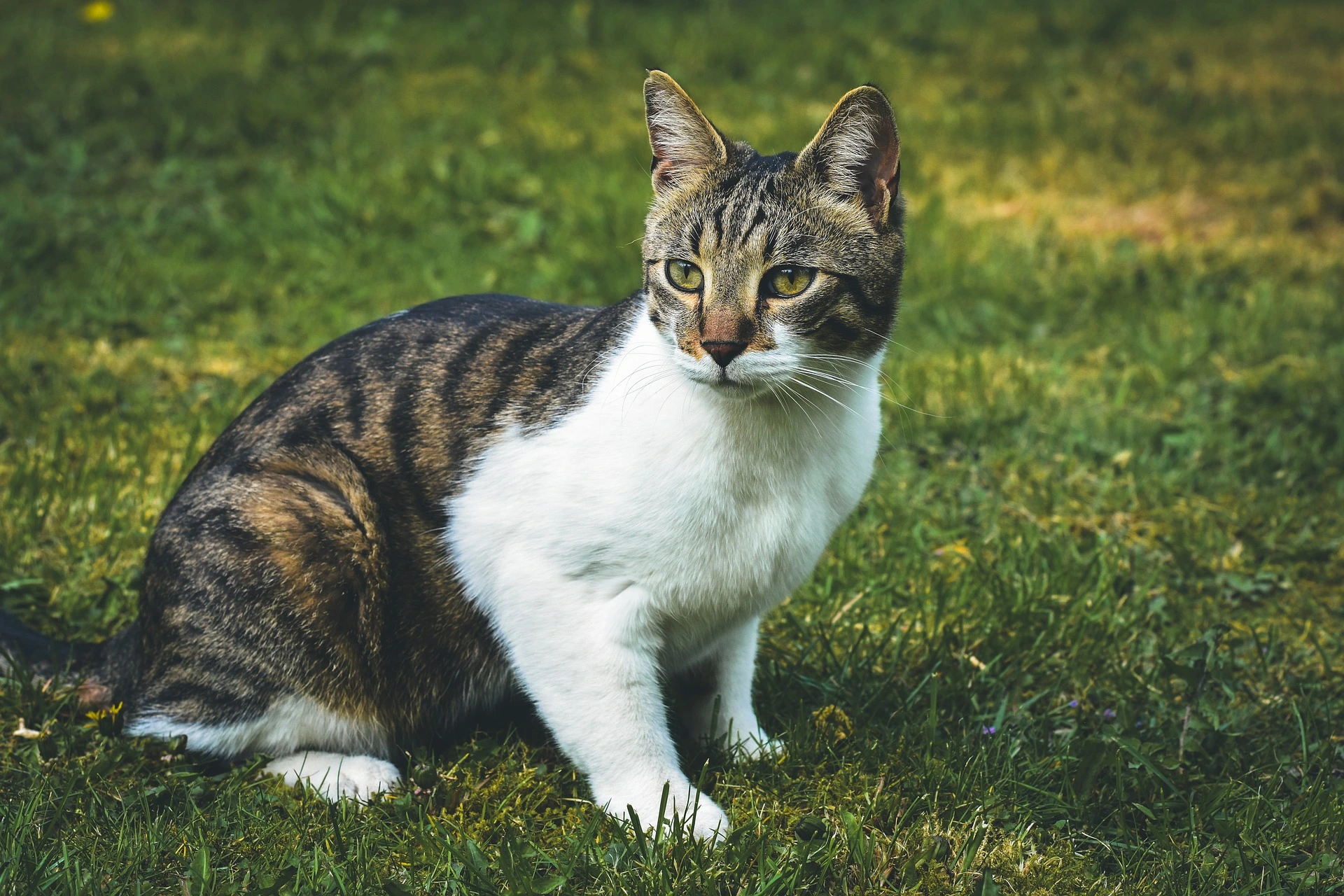
You’re slicing a ripe papaya on your kitchen counter when your tabby, Whiskers, suddenly perks up. She pads over, sniffs the orange flesh curiously, and her nose twitches with interest. Before you know it, she’s licking your finger. Should you panic?
Here’s the honest answer: Yes, healthy adult cats can eat a tiny, pea-sized amount of ripe, seedless papaya as a rare treat. this is a critical but your cat probably doesn’t need it, and papaya comes with hidden risks that many cat owners overlook.
Papaya sits in the “harmless-but-pointless” category. While it’s non-toxic when prepared correctly, cats are obligate carnivores with digestive systems designed exclusively for meat. This tropical fruit offers zero nutritional benefit and should never replace real protein or crowd out a species-appropriate diet. If you’re curious about what can cats eat, this guide will show you exactly where papaya fits and where it doesn’t.
Table of Contents
Feline Biology vs. Tropical Fruits
Why Cats Don’t Crave Sweets
Unlike humans (and even dogs), cats completely lack taste receptors for sweetness. When your cat sniffs papaya with interest, she’s usually responding to curiosity, the soft texture, or moisture—not sugar cravings. Most cats will take one lick and walk away unimpressed.
The Specialized Digestive Reality
Here’s what most cat owners don’t realize: feline digestive tracts are short and specifically tuned to extract nutrients from animal proteins and fats. They’re built to process meat, not plant fiber. Introduce too much fruit, and you’ll likely see gas, stomach upset, or loose stools within hours.
This matters because papaya contains both natural sugars and fiber both of which your cat’s gut handles poorly.
Nutritional Breakdown: What Papaya Actually Offers (Spoiler: Nothing Your Cat Needs)
Humans love papaya for its Vitamin C, Vitamin A, and antioxidants. But here’s the kicker: cats manufacture their own Vitamin C and get all required Vitamin A from meat. These nutrients are nutritionally redundant.
You’ve probably read online claims about papain (papaya’s digestive enzyme) helping feline digestion. Ignore this. A pea-sized portion contains virtually no papain to offer any meaningful benefit, plain canned pumpkin is infinitely safer and more effective.
The real concern: sugar. One hundred grams of ripe papaya contains roughly 8 grams of sugar. For an 8-pound cat, that’s a significant empty-calorie burden. Repeated sugary treats directly contribute to weight gain, obesity, feline diabetes, and dental decay, all diseases now epidemic in domestic cats.
The Hidden Dangers & Side Effects
Papaya Seeds: A Double Threat
Those slick, black seeds contain compounds that can be harmful to small animals in large quantities. But the bigger problem? They’re a severe choking hazard and can cause dangerous intestinal blockages in a cat’s narrow digestive tract.
Never assume your cat will spit them out. Many cats swallow quickly without chewing.
Unripe Papaya = Serious Injury Risk
Raw, green, or unripe papaya contains concentrated papaya latex a caustic substance that can damage your cat’s esophagus and trigger intense stomach inflammation. Always use fully ripe fruit (soft, orange interior), and even then, in tiny amounts.
Skin, Rinds & Pesticides
Papaya skin is tough, fibrous, and completely indigestible. It’s a choking hazard and typically carries pesticide residues. Strip it away entirely.
Papaya Safety Traffic Light System
| 🟢 SAFE | 🟡 CAUTION | 🔴 AVOID |
|---|---|---|
| Ripe orange flesh only | 1–2 pea-sized pieces | Seeds of any kind |
| Plain, seedless | Once every 1–2 weeks | Unripe/green papaya |
| Mashed to prevent choking | Monitor for 24 hours | Dried papaya or juice |
| — | — | Skin, rinds, candies |
Veterinary Preparation Protocol: The Safe Way (If You Choose to Offer It)
Step-by-step:
- Wash the whole fruit thoroughly to remove dirt and chemical residues
- Peel away all skin and rinds completely
- De-seed carefully, scoop out every single black seed
- Mash or dice the flesh into pea-sized pieces to prevent choking
- Serve plain with no added sugar, salt, honey, spices, or dairy
- Monitor closely after the first serving for vomiting, diarrhea, drooling, or lethargy over the next 24 hours
The golden rule: Papaya and all treats combined, should never exceed 10% of your cat’s daily caloric intake. Ideally, keep it under 2%.
Medical Contraindications: Who Must Skip Papaya Entirely
Do not feed papaya to cats with:
- Diabetes or obesity (sugar is contraindicated)
- Pancreatitis, IBD, or food sensitivities
- Kidney disease or senior cats (require vet approval for any non-standard foods)
- Kittens under 6 months (developing digestive systems are too fragile)
If your cat falls into any of these categories, skip the papaya experiment entirely.
Emergency Protocol: What If Your Cat Eats Seeds or Too Much?
Watch for these warning signs:
- Repeated vomiting or retching
- Constipation or straining to defecate
- Loss of appetite or lethargy
- Drooling or difficulty swallowing
If you observe any of these, contact your veterinarian or emergency clinic immediately:
- Pet Poison Helpline: 855-764-7661
- ASPCA Animal Poison Control: 888-426-4435
These services are available 24/7 and can guide you through immediate steps.
Better Alternatives That Match Feline Biology
If your cat wants a treat, match her carnivore biology:
- Plain cooked chicken or turkey
- Freeze-dried salmon flakes
- Unsalted, canned tuna (occasional only)
- Plain boiled eggs
If she insists on produce, safer options include what fruits can cats eat, plain pumpkin puree, or a single blueberry. Other seedless fruits in minimal amounts: apples, bananas, and blackberries.
Try can cats eat pears as a safer, equally soft fruit alternative if she enjoys texture.
The Bottom Line
Papaya is safe in theory but pointless in practice. It offers zero nutrition, introduces unnecessary sugar, and carries real risks (seeds, blockage, digestive upset). If your cat is genuinely curious and you prepare it with absolute care pea-sized piece, fully ripe, completely seedless, zero skin occasional exposure won’t harm her.
But she won’t miss it. Your cat thrives on meat. Focus your treat budget on protein instead.
Frequently Asked Questions
Q: Can papaya help my cat’s digestion? A: Despite popular online claims, the papain enzyme in papaya is too diluted in safe serving sizes to offer real digestive benefits. Plain canned pumpkin is far safer and more effective for constipation or loose stools.
Q: What if my cat already ate papaya seeds? A: Monitor closely for 48 hours. Watch for vomiting, constipation, or loss of appetite. Most cats pass seeds without incident, but if your cat shows distress, contact your vet immediately.
Q: Is frozen papaya safer than fresh? A: No. Freezing concentrates sugars and doesn’t reduce blockage risk. Stick with fresh, ripe flesh only and serve at room temperature.
Q: Can kittens eat papaya? A: No. Kittens’ digestive systems are too sensitive. Wait until 1+ years, and even then, offer nothing without vet approval.
Q: Is dried papaya ever safe? A: Never. Dehydration concentrates sugars into a “sugar bomb” and often includes artificial preservatives unsafe for cats.
Q: My cat got into my papaya should I worry? A: A small lick of flesh is usually harmless. Monitor for 24 hours. If she ate seeds or unripe fruit, call your vet or Pet Poison Helpline (855-764-7661) for guidance.
{ “@context”: “https://schema.org”, “@type”: “FAQPage”, “mainEntity”: [ { “@type”: “Question”, “name”: “Can papaya help my cat’s digestion?”, “acceptedAnswer”: { “@type”: “Answer”, “text”: “Despite popular online claims, the papain enzyme in papaya is too diluted in safe serving sizes to offer real digestive benefits. Plain canned pumpkin is far safer and more effective for constipation or loose stools.” } }, { “@type”: “Question”, “name”: “What if my cat already ate papaya seeds?”, “acceptedAnswer”: { “@type”: “Answer”, “text”: “Monitor closely for 48 hours. Watch for vomiting, constipation, or loss of appetite. Most cats pass seeds without incident, but if your cat shows distress, contact your vet immediately.” } }, { “@type”: “Question”, “name”: “Is frozen papaya safer than fresh?”, “acceptedAnswer”: { “@type”: “Answer”, “text”: “No. Freezing concentrates sugars and doesn’t reduce blockage risk. Stick with fresh, ripe flesh only—and serve at room temperature.” } }, { “@type”: “Question”, “name”: “Can kittens eat papaya?”, “acceptedAnswer”: { “@type”: “Answer”, “text”: “No. Kittens’ digestive systems are too sensitive. Wait until 1+ years, and even then, offer nothing without vet approval.” } }, { “@type”: “Question”, “name”: “Is dried papaya ever safe?”, “acceptedAnswer”: { “@type”: “Answer”, “text”: “Never. Dehydration concentrates sugars into a ‘sugar bomb’ and often includes artificial preservatives unsafe for cats.” } }, { “@type”: “Question”, “name”: “My cat got into my papaya—should I worry?”, “acceptedAnswer”: { “@type”: “Answer”, “text”: “A small lick of flesh is usually harmless. Monitor for 24 hours. If she ate seeds or unripe fruit, call your vet or Pet Poison Helpline (855-764-7661) for guidance.” } } ] }