Can Cats Eat Olives? Safety Guide & Health Risks Explained
You’re in the kitchen prepping a Mediterranean salad, and suddenly your tabby is weaving between your ankles, eyes locked on that green olive in your hand. The question pops into your head instantly: Can cats eat olives?
The short answer: No, olives aren’t toxic to cats in the strict sense, but they’re far from ideal treats and in certain scenarios, they can pose serious health risks.
Think of olives as “empty-calorie snacks” for cats. While they won’t poison your feline friend, they deliver virtually no nutritional value that your cat doesn’t already get from quality meat-based nutrition. This is where the 10% rule matters: treats should never exceed 10% of your cat’s daily caloric intake, and olives provide zero amino acids, taurine, or other nutrients cats actually need to thrive.
The real concern isn’t toxicity, it’s the hidden dangers lurking inside that innocent-looking fruit.
Table of Contents
I. THE SCIENCE OF OBSESSION: WHY CATS LOVE OLIVES
If your cat has ever reacted to olives like they were the most exotic substance on Earth, you’re not imagining it. There’s actual science behind this behavior.
The chemical connection to catnip:
Olives especially the green varieties contain isoprenoids, volatile compounds that bear a striking chemical similarity to nepetalarone, the active ingredient in catnip. When your cat sniffs or mouths an olive, these compounds make their way to the vomeronasal organ (also called Jacobson’s organ), located deep at the back of your cat’s throat.
This organ bypasses the standard olfactory system entirely and sends signals directly to the brain’s pleasure centers. The result? Your cat experiences a rush that’s part euphoria, part sensory overload.
Common behaviors you might observe:
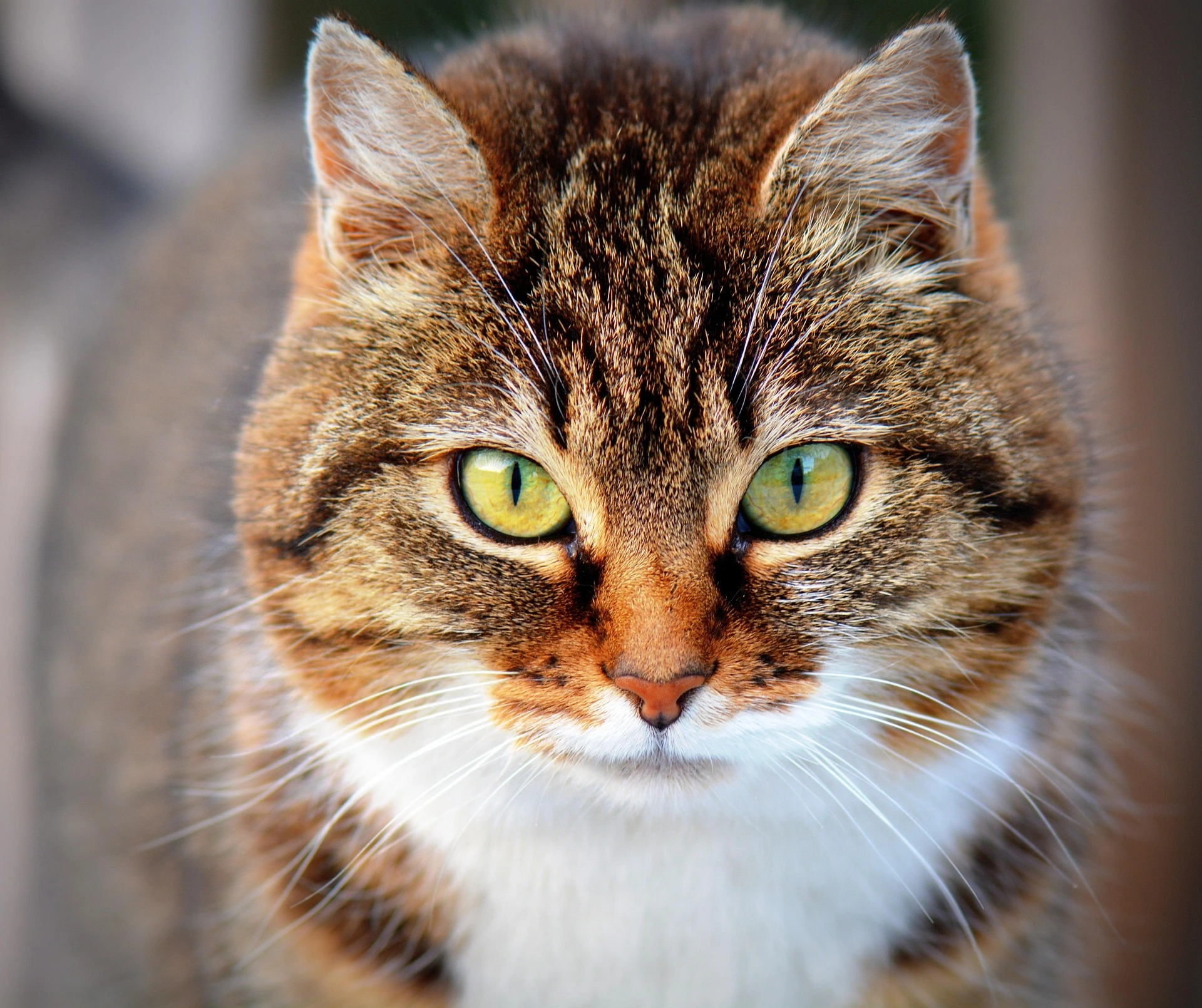
- Dilated pupils (that “wild-eyed” look)
- Rolling or thrashing on the floor
- Intense salivation or drooling
- A trance-like state lasting 5–15 minutes
- Sudden bursts of energy or aggressive play-biting directed at the olive
This response is completely natural and mostly harmless but it’s where vigilance needs to kick in, because an intoxicated cat isn’t thinking clearly about whether that pit is safe to swallow.
II. CRITICAL DANGERS AND HEALTH RISKS
This is where the conversation shifts from “fun fact” to “you need to know this.”
Salt toxicity (the hidden threat):
The biggest danger isn’t the olive itself, it’s the brine. Most commercially packaged olives are preserved in extremely salty solutions (sodium levels can exceed 300mg per olive). A single olive contains more sodium than many human health guidelines recommend for an entire day. For cats, this is problematic.
Sodium toxicity in cats progresses quickly. Early signs include:
- Excessive thirst (polydipsia)
- Vomiting and diarrhea
- Lethargy or confusion
- Tremors or seizures in severe cases
Cats with pre-existing kidney disease, heart conditions, or hypertension are at exponentially higher risk.
Choking and intestinal blockage (the mechanical hazard):
Olive pits are deceptively dangerous. A cat that swallows a whole pit, whether drawn to it by playful mouthing or mistaken identity is facing a potential medical emergency. Pits can lodge in the throat, esophagus, or stomach, creating a complete blockage that requires emergency surgery. Even partial blockages cause vomiting, loss of appetite, and severe abdominal pain.
Contaminated olives (the overlooked risk):
Never and we mean never give your cat olives stuffed with garlic, onions, or pimento peppers. These are toxic to cats. Garlic and onions contain thiosulfates that damage red blood cells and trigger hemolytic anemia. Even small amounts pose risk.
Fat content and obesity:
Olives are approximately 15–20% fat by weight. Regular consumption can contribute to weight gain, which in turn increases risk of diabetes, arthritis, and heart disease in indoor cats.
III. PRECAUTIONS FOR VULNERABLE CATS
Cats with heart or kidney disease:
If your cat has been diagnosed with congestive heart failure, hypertrophic cardiomyopathy, chronic kidney disease, or any condition requiring a sodium-restricted diet, olives are completely off-limits. The salt burden can destabilize their condition and lead to acute decompensation.
Diabetic cats:
Olive fat can affect insulin sensitivity and make blood sugar regulation more difficult. For cats already managing diabetes, any dietary deviation should be discussed with your veterinarian first.
Senior cats (10+ years):
Older cats have naturally declining kidney function. Their ability to process and eliminate excess sodium diminishes with age. A single salty olive may not seem significant, but cumulative salt exposure can accelerate kidney decline.
Like olives, several common fruits carry hidden hazards beyond simple choking. Grapes, avocado pits, and apple seeds all present different but equally serious risks to feline health. If you’re concerned about what your cat has access to in the kitchen, our detailed guide explores which other fruits pose similar choking hazards and helps you understand which ones are genuinely safe to keep on your counter.
IV. OLIVE OIL: BENEFITS AND PRECAUTIONS
Here’s where the picture gets nuanced. While olives themselves are questionable, olive oil in tiny amounts can actually benefit cats.
Legitimate benefits:
Olive oil contains omega-3 and omega-9 fatty acids. In micro-doses, it can:
- Improve coat quality and reduce dry skin
- Provide gentle intestinal lubrication, helping with hairball passage
- Offer anti-inflammatory benefits (though the research is limited for cats specifically)
The dosage matters enormously:
More than 1 teaspoon of olive oil per week can cause digestive upset loose stools, diarrhea, or vomiting. For larger cats, a half-teaspoon once weekly is the absolute maximum. Most cats require far less.
If your cat is overweight or has pancreatitis, skip olive oil entirely. The fat content is simply too risky.
V. PREPARATION AND SERVING GUIDE
If you absolutely insist on offering olives (and your cat is healthy with no medical conditions), here’s how to minimize risk:
Choose carefully: Green olives are typically higher in the compounds cats find stimulating, but they’re also often more heavily brined. Black olives are less exciting to most cats and may contain less salt, but always check labels.
Preparation is essential:
- Rinse the olive thoroughly under running water (this removes some, not all, of the salt)
- Remove the pit completely, don’t assume your cat will spit it out
- Cut the olive into small pieces or mash it
- Offer no more than 1/4 of a large olive, or 1/2 of a small olive
- Maximum frequency: once to twice per week
Monitor your cat closely:
Offer the olive piece and watch for 30 minutes. Watch for signs of vomiting, diarrhea, excessive drinking, or behavioral changes in the following 24 hours.
VI. WHAT TO DO IN EMERGENCIES
If your cat swallows a pit:
- Don’t panic, but don’t delay either
- Monitor closely for vomiting, loss of appetite, abdominal pain, or straining to defecate
- Contact your veterinarian immediately if any of these signs appear
- Do not attempt home remedies or “wait and see” blockages worsen rapidly and require surgical intervention
If your cat ingests salty brine or shows toxicity signs:
- Stop all olive exposure immediately
- Offer fresh water in multiple locations
- If your cat shows lethargy, tremors, or persistent vomiting, seek emergency care
- Your vet may recommend bland diet (boiled chicken, plain rice) for 24 hours before resuming normal food
If your cat ingested garlic-stuffed or onion-stuffed olives:
- This is a toxicity emergency. Call your veterinarian or poison control immediately
- Do not wait for symptoms to develop
TRAFFIC LIGHT SYSTEM
| Category | Status | Notes |
|---|---|---|
| Plain olives (pitted, rinsed) | 🟡 Moderate | Only for healthy adult cats, maximum 1–2x per week, tiny portions |
| Salty/brined olives | 🔴 Avoid | High sodium risk, especially for cats with heart/kidney disease |
| Olives with pits | 🔴 Avoid | Choking and blockage hazard |
| Stuffed olives (garlic, onion) | 🔴 Avoid | Toxic ingredients, serious poisoning risk |
| Olive oil (tiny amounts) | 🟢 Safe | 1/2 teaspoon maximum per week for coat/digestive support |
| Olive leaves (unsalted) | 🟡 Moderate | May have mild antioxidant benefits; rarely of interest to cats |
CONCLUSION
The simple truth: olives don’t belong in your cat’s diet.
Your cat won’t miss them, they already receive complete nutrition from quality food. The sensory curiosity is fascinating, but it’s not worth the sodium toxicity, choking hazards, or obesity risks.
Olives are just one example of foods that seem harmless but carry serious dangers. If you’re curious about other kitchen items your cat might target, explore our guide on deceptively risky foods with hidden sodium dangers including surprising items that pose identical health risks.
Your cat’s safety is always the right choice.
FREQUENTLY ASKED QUESTIONS
Q1: My cat ate one olive pit by accident Should I panic? A: Stay calm but vigilant. A single pit may pass through safely, but blockages can develop over 24–48 hours. Monitor for loss of appetite, vomiting, constipation, or abdominal pain. If any of these signs appear, get to a vet immediately. Don’t wait blockages are surgical emergencies.
Q2: Is olive oil safe for cats’ digestion? A: Yes, in tiny amounts. A few drops once weekly can help with hairballs and dry skin. Anything more than 1/2 teaspoon per week risks diarrhea or pancreatitis. Cats with existing digestive issues or obesity should avoid it entirely.
Q3: What if my cat has kidney disease, can they ever have olives? A: No. The sodium content is too risky for cats with compromised kidney function. Your vet’s dietary restrictions should always take priority over treats.
Q4: Why do cats act “high” around olives if they’re not toxic? A: The isoprenoids in olives stimulate the vomeronasal organ, the same sensory pathway activated by catnip. It’s a neurological response to volatile compounds, not intoxication in the medical sense but it explains the wild behavior.
Q5: Are black or green olives safer? A: Neither is “safe” per se. Green olives are often more heavily brined (higher sodium risk) but more stimulating to cats. Black olives have less sodium but are equally choking hazards. If offering either, rinsing and pitting are non-negotiable.
Q6: What’s a better treat alternative if my cat is obsessed with olives? A: Try bonito flakes (freeze-dried fish), small pieces of cooked chicken, or a commercial “feline water enhancer” designed to mimic savory stimulation without the risks.