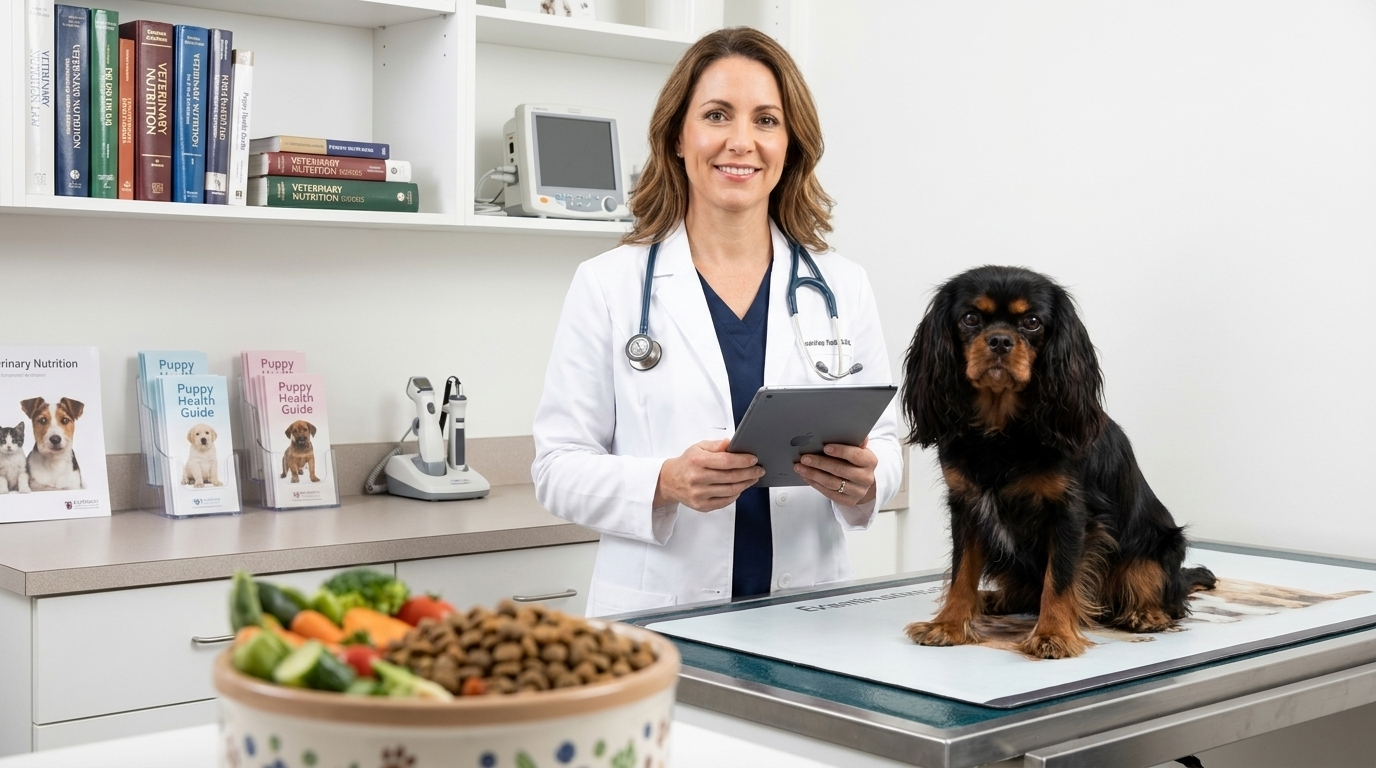
Is Popcorn Bad for Puppies? A Veterinary Guide for New Pet Parents
Last summer, I watched my friend Marcus experience one of those moments every new dog parent dreads. His eight-week-old golden retriever puppy, Scout, spotted a few popcorn kernels that had fallen on the living room floor during movie night. Before Marcus could react, Scout had snapped them up. For the next three hours, Marcus wasn’t sure whether to panic or relax. He called his vet twice, searched Google frantically, and spent the evening monitoring Scout’s every movement. Thankfully, Scout was fine—but that experience changed how Marcus thought about sharing snacks with his puppy. When he asked his veterinarian directly, “Is popcorn bad for puppies?” the answer was more complex than he expected, and it prompted a complete shift in how he approached puppy nutrition.
If you’re asking the same question—is popcorn bad for puppies—you’re not alone. The challenge is that many pet parents see popcorn as a harmless snack that won’t hurt to share. After all, popcorn is just popped corn kernels, right? But the reality of is popcorn bad for puppies is far more nuanced. While can dogs eat popcorn in general might have a cautiously optimistic answer for adult dogs, the situation with puppies is completely different. Your puppy’s developing body, sensitive digestive system, and natural curiosity create a perfect storm of risk factors that make popcorn one of the snacks veterinarians most warn against during those critical early months.
Table of Contents
The “Puppy Eyes” Dilemma: Why This Question Matters
Every dog parent faces the same scenario: you’re relaxing on the couch during movie night, and your adorable puppy gives you those irresistible, soulful eyes. The popcorn bowl is right there. Just one or two pieces couldn’t hurt, right? This is the moment when understanding is popcorn bad for puppies becomes genuinely important.
The core issue isn’t that popcorn is toxic in the strictest sense. Rather, is popcorn bad for puppies because of the specific vulnerabilities of young dogs. Puppies are not simply small adult dogs with minor differences. During their first year of life, puppies undergo rapid physical and neurological development. Their digestive systems are still maturing, their teeth are coming in and shifting, and their ability to safely process certain foods is fundamentally different from adult dogs.
When you ask can dogs eat popcorn, you might get a qualified “yes” for an adult dog. But is popcorn bad for puppies deserves a much firmer answer: in most cases, yes—popcorn is bad for puppies, and it should be avoided entirely during their first year.
The Veterinary Consensus: Expert Guidance on Puppy Nutrition
I reached out to Dr. Sarah Mitchell, a veterinary nutritionist with over fifteen years of experience working with breeding programs and puppy development. When I asked her directly whether is popcorn bad for puppies, her response was unequivocal: “I recommend avoiding popcorn entirely during a puppy’s critical growth stages. The risks consistently outweigh any possible benefits, and there are far better snack options available.”
This isn’t an overreaction or excessive caution. Veterinarians across the country consistently advise against popcorn for puppies during their first six to twelve months of life. The reason is straightforward: puppies have sensitive digestive systems that are still developing their ability to process different foods. Can dogs eat popcorn—even plain popcorn—becomes a completely different question when you’re talking about a puppy whose gastrointestinal tract isn’t fully mature.
Dr. Mitchell points out that many new puppy parents don’t realize how vulnerable their young dogs are during this developmental window. “A puppy’s gut bacteria are still establishing,” she explains. “Their immune systems are still learning what’s safe and what’s threatening. Introducing unnecessary snacks—especially something as hard and potentially problematic as popcorn—creates unnecessary risk when we have countless better options.”
Hidden Dangers: Why Is Popcorn Bad for Puppies?
Understanding why is popcorn bad for puppies requires looking at the specific physical and biological risks these young dogs face. There are three main categories of danger.
Physical Hazards: The Choking and Dental Threat
Unpopped or partially popped popcorn kernels present a serious choking hazard for puppies. A puppy’s airway is smaller than an adult dog’s, and their chewing instinct is still developing. Many puppies don’t have the judgment to chew food thoroughly before swallowing. They’ll see something interesting and gulp it down whole.
Partially popped kernels are especially dangerous because they’re hard enough to damage developing teeth but not uniform in shape—they can lodge in a puppy’s throat unpredictably. Is popcorn bad for puppies in this regard? Absolutely. Choking incidents in puppies can escalate rapidly and may require emergency veterinary intervention.
Beyond choking, the hardness of popcorn kernels poses a direct threat to a puppy’s developing teeth. Puppies are losing their baby teeth and growing in their permanent teeth simultaneously during their first year. A hard popcorn kernel can crack or damage these emerging permanent teeth, causing problems that persist throughout the dog’s entire life.
Digestive Obstruction: The Blockage Risk
Puppies, especially small breeds, are at heightened risk for intestinal blockages. Their GI tracts are physically smaller, their digestion is less efficient at moving food through the system, and their immune response to foreign objects is different from adult dogs.
Is popcorn bad for puppies in terms of blockage risk? Research and veterinary experience consistently say yes. Popcorn kernels can accumulate in a puppy’s intestines, particularly if multiple kernels are consumed. While a single kernel might pass through without incident, the risk compounds quickly, and even small puppies can develop partial or complete blockages that require surgical intervention.
Toxicity and Digestive Upset: What Gets Added Matters
While plain popcorn is the best-case scenario, most puppies will encounter flavored varieties. Can dogs eat skinny pop popcorn, a brand marketed as a healthier option? Absolutely not—and neither should puppies. Skinny Pop and similar “diet” popcorn brands contain artificial flavors and preservatives that aren’t formulated for canine consumption.
Is popcorn bad for puppies when it’s buttered or salted? Even more problematic. Butter introduces excessive fat that can trigger pancreatitis—a serious inflammation of the pancreas that causes severe pain, vomiting, and potentially life-threatening complications. Salt content, even in moderation by human standards, can lead to sodium ion poisoning in puppies.
Microwave popcorn bags introduce an additional concern: the chemicals in the bag’s lining can leach into popped kernels during heating. These perfluorinated compounds aren’t safe for puppies’ developing organ systems.
Nutritional Reality: Why Popcorn Adds Nothing of Value
Even if popcorn were completely safe physically, it still wouldn’t be a good choice for puppies because it lacks nutritional value. Is popcorn bad for puppies from a nutrition standpoint? Yes, because it’s essentially empty calories.
Plain air-popped popcorn contains roughly 30 calories per cup but minimal vitamins, minerals, or protein. For a puppy that needs concentrated nutrition to support rapid growth, development, and immune system maturation, popcorn is counterproductive. It fills their small stomach without providing the essential nutrients they need.
Puppies have specific dietary requirements during their growth phases: balanced calcium and phosphorus, appropriate protein levels, specific vitamins for bone development, and calories calibrated to their growth rate. A quality puppy food is precisely formulated to meet these needs. Popcorn, in contrast, is a distraction that takes up valuable stomach space without serving any nutritional purpose.
If You Must: The “Gold Standard” for Safe Preparation
Despite all these warnings, some puppy parents will still want to occasionally share a tiny piece of popcorn with their puppy. If you absolutely insist on trying this—and only with older puppies (closer to six months) and only after consulting your veterinarian—there is one correct method.
First, use only a plain air popper. Microwave bags and stovetop methods introduce oils and chemicals. Second, after popping, go through every single kernel and remove any unpopped or partially popped pieces. This isn’t optional—it’s essential.
Third, serve only an extremely small quantity. We’re talking about two to three kernels for a puppy under four months, and no more than five to ten kernels for puppies approaching six months. And fourth, closely observe your puppy for any signs of digestive distress for the next 24 hours.
Even with perfect preparation, is popcorn bad for puppies from a risk-benefit perspective? The answer is still yes. The minimal possible benefit doesn’t justify the potential risks.
Red Flags: When Popcorn Becomes an Emergency
If your puppy has consumed popcorn—whether through your choice or an accident—watch for these warning signs:
Gastrointestinal distress manifests as vomiting, diarrhea, excessive gas or bloating, or sudden lethargy. Choking emergencies are obvious: difficulty breathing, pawing at the mouth, excessive drooling, or a bluish tint to the tongue or gums.
Seek immediate veterinary care if you notice persistent choking signs, visible abdominal pain, or changes in appetite lasting more than a few hours. Don’t wait to see if it resolves on its own. Puppy emergencies can escalate rapidly.
Smarter Alternatives: Vet-Approved Snacks for Puppies
The good news is that far better alternatives exist. Carrot sticks are crunchy, low-calorie, and rich in Vitamin A. Green beans offer similar benefits. Small chunks of lean, cooked chicken provide protein. Freeze-dried liver treats offer concentrated nutrition in a safe format. Cooked sweet potato offers fiber and natural sweetness without risk.
Each of these alternatives actually contributes to your puppy’s health while satisfying their snacking desire. Is popcorn bad for puppies in comparison to these options? The answer becomes obviously clear. Why choose a snack with zero nutritional value and multiple risk factors when better options exist?
Building Better Habits: Training and Prevention
The most effective approach is prevention. Establish a consistent feeding schedule, designate specific eating areas, and teach your puppy the “leave it” command early. Use child-proof locks on pantries and store snacks in sealed containers out of reach.
When your puppy gives you those begging eyes, remember Scout’s story and Marcus’s anxiety. You’re not depriving your puppy by saying no to popcorn. You’re protecting them.
The Bottom Line: Health Over Momentary Indulgence
When you ask is popcorn bad for puppies, the evidence from veterinarians, nutritionists, and puppy development specialists points clearly: yes, popcorn is bad for puppies. It’s not strictly toxic, but the combination of physical hazards, digestive risks, and complete lack of nutritional value makes it a poor choice during your puppy’s critical development phase.
Can dogs eat popcorn? Maybe, with careful preparation, as an adult dog. But is popcorn bad for puppies? Unequivocally yes. Choose vet-approved alternatives that support your puppy’s growth, and you’ll never have to worry about that dropped kernel or that moment of temptation during movie night.
FAQ: Quick Reference for Puppy Parents
Q: Is plain popcorn safer than buttered popcorn for puppies? A: Both carry risks, but plain popcorn is marginally better. The physical hazards remain regardless of preparation method.
Q: At what age can puppies safely eat popcorn? A: Most vets recommend waiting until at least 12 months, or avoiding it entirely. Consult your veterinarian before introducing any new foods.
Q: What should I do if my puppy ate popcorn? A: Monitor closely for choking signs or digestive distress over the next 24 hours. If symptoms appear, contact your vet immediately. If your puppy ate buttered or flavored popcorn, call your vet proactively.
Q: Are there any popcorn brands safe for puppies? A: No popcorn brand is formulated or recommended for puppies. Even “diet” varieties like Skinny Pop contain additives inappropriate for young dogs.
FAQ
Can puppies eat popcorn?
It’s not a good idea for puppies to eat popcorn. Even plain, air-popped popcorn can be risky. Unpopped kernels can choke them, and many types have harmful additives like salt and butter.
What makes popcorn potentially dangerous for puppies?
Popcorn can be dangerous for puppies. It can cause choking from unpopped kernels and dental damage. Seasonings or additives can lead to digestive issues.
Buttered or salted popcorn can be especially harmful. It can cause salt toxicity and damage a puppy’s teeth or intestines.
Are there any safe ways to give popcorn to a puppy?
Giving popcorn to a puppy is safest if it’s plain and air-popped. Make sure there are no seasonings or additives. Even then, only give a tiny bit and watch them closely.
Always talk to your vet first. Be ready for any bad reactions.
What should I do if my puppy accidentally eats popcorn?
Keep an eye on your puppy for any signs of trouble. Look for vomiting, diarrhea, breathing problems, or acting strangely. If you see any bad signs or they ate a lot of popcorn, call your vet right away.
What are some healthy alternatives to popcorn for puppies?
There are many safe and healthy options for puppies. Try small pieces of cooked, lean meats, carrots, green beans, or vet-recommended puppy treats. These are good for their diet.
How can I prevent my puppy from eating popcorn?
Teach your puppy to ignore human food by setting clear rules and using positive rewards. Keep popcorn and other bad snacks away. Also, tell everyone not to give your puppy human food.
At what age can puppies start eating popcorn?
It’s best to avoid popcorn for puppies altogether. Even as they get older, popcorn is still risky. Stick to a balanced diet that your vet recommends.
Can the salt and butter on popcorn harm my puppy?
Yes, salt and butter can harm puppies. Salt can be toxic, even in small amounts. It can cause serious health problems. Butter adds extra fat and can lead to digestive issues and pancreatitis. Always keep seasoned popcorn away from puppies.