Understanding Dogs Mating: A Complete Guide for Responsible Pet Owners
If you’ve ever watched your dog’s behavior shift during a heat cycle or wondered about the mechanics of reproduction, you’re not alone. Many pet owners feel uncertain or embarrassed when it comes to understanding dogs mating and the biological processes involved. But knowledge is power, especially when it comes to making informed breeding decisions or simply understanding what’s happening with your furry companion.
This guide covers everything you need to know about dogs mating, from recognizing fertility signs to understanding why dogs get stuck together and what you should (and shouldn’t) do during the process.
Table of Contents
When Dogs Mating Actually Happens: Reproductive Maturity
Here’s something many new dog owners don’t realize: just because a dog can reproduce doesn’t mean they should. While puppies reach puberty around six months of age, responsible breeding requires waiting until a dog reaches full skeletal and mental maturity.
For females (called “bitches” in breeding terminology), most vets recommend waiting until at least the second or third heat cycle before considering breeding. This typically means the dog is at least 18–24 months old. Males need similar maturity, ideally at least one year old, and should clear breed-specific health screenings like hip and elbow dysplasia tests before being used for breeding.
The male’s mating drive is particularly interesting. Once mature, male dogs can mate year-round. They’re driven by pheromones that allow them to detect a female in heat from incredible distances, sometimes from blocks away. This is why you might notice an intact male becoming restless, anxious, or attempting to escape during breeding season. He’s not being naughty; he’s responding to powerful biological signals.
Recognizing the Fertile Window: Signs Your Female Is Ready
Understanding your female dog’s heat cycle is crucial before any dogs mating encounter occurs. The heat cycle typically lasts about three weeks, but not all days are equally fertile.
Physical signs include:
- Swelling of the vulva
- Bloody or blood-tinged discharge
- Changes in vaginal appearance and texture
Behavioral changes are equally important:
- Increased affection and attention-seeking
- Restlessness and pacing
- “Flagging”, moving the tail to one side to expose the rear, signaling receptivity to males
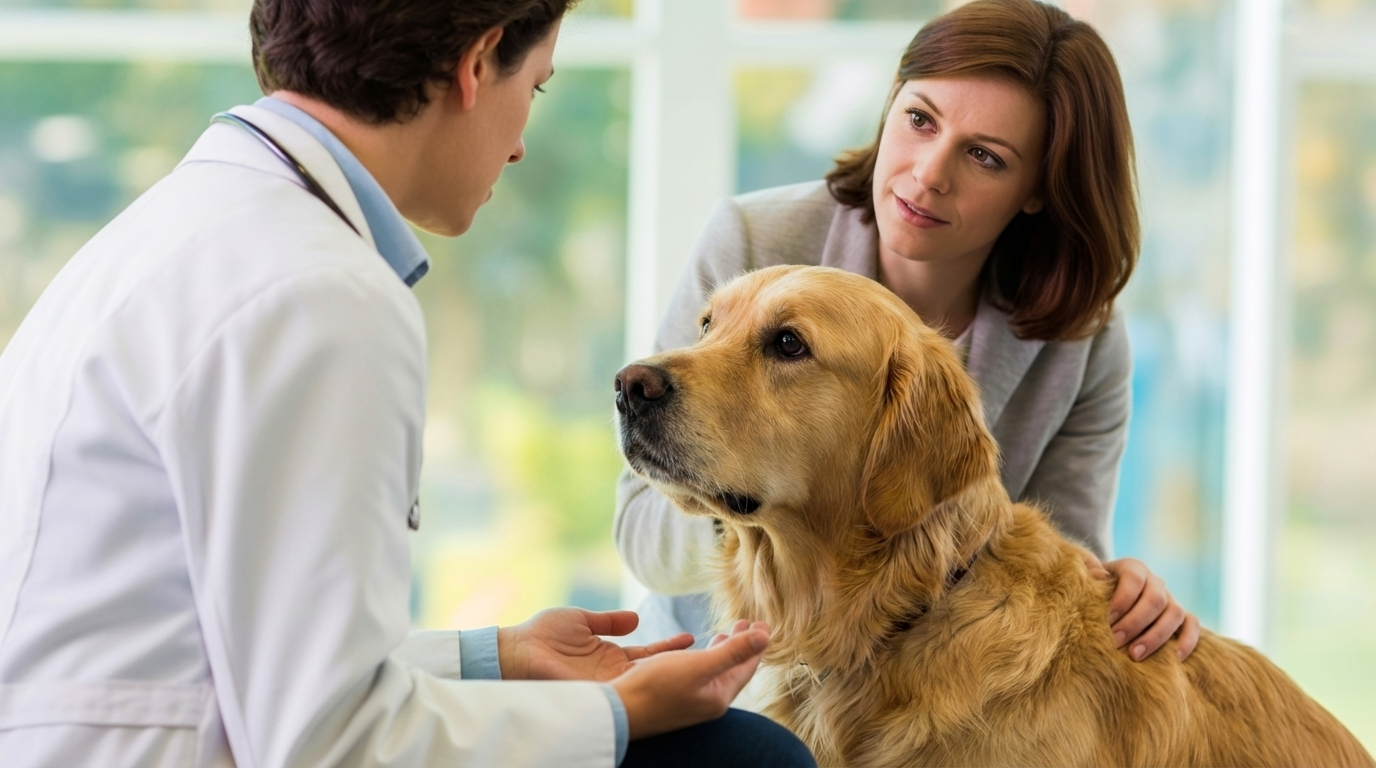
Peak fertility usually falls between days 10 and 14 of the cycle. But here’s the catch: these timings vary by individual dog. The most reliable way to pinpoint ovulation is through veterinary testing, either vaginal cytology (smear tests) or blood tests measuring progesterone or luteinizing hormone (LH) levels.
Real-Life Example: Sarah, a Golden Retriever owner, thought she’d timed her dog Bella’s heat cycle perfectly based on physical signs alone. After an unsuccessful mating, she consulted her vet and discovered Bella hadn’t actually ovulated yet. A simple blood test revealed the real fertile window was three days later. The second attempt resulted in pregnancy.
Pre-Breeding Health Checks: The Non-Negotiable Foundation
Before any dogs mating should occur, both animals must pass comprehensive health screenings. This isn’t optional, it’s ethical breeding.
Essential health checks include:
- Hip and elbow scoring (especially critical for large breeds)
- Cardiac exams to rule out heart disease
- Eye certifications to screen for hereditary blindness
- Genetic testing specific to the breed (for conditions like Collie Eye Anomaly or Progressive Retinal Atrophy)
One often-overlooked screening is testing for Brucella canis, a rare but serious sexually transmitted bacterium. It causes permanent infertility and complications in both males and females, with no cure. A simple blood test can confirm your dog’s status.
Practical Tip: Have the female brought to the male’s environment. This reduces his stress and anxiety, making successful mating more likely. If the female has long hair around her genital area, gently clipping it can facilitate easier penetration.
How Dogs Mate: Understanding the Process
Now let’s discuss how dogs actually mate, because understanding the mechanics helps you recognize when something’s going wrong.
The courtship phase begins with the male sniffing and licking the female’s rear to detect pheromones and assess her readiness. If she’s receptive, he’ll attempt to mount.
Stage 1: Mounting and Thrusting The male mounts from behind and begins thrusting to locate and achieve entry. For inexperienced or younger males, this may take several attempts. Patience during this phase is important, don’t intervene or separate them.
The Critical Turn Here’s where most people ask, “Why do dogs get stuck together?” The answer comes in the next phase.
Why Dogs Get Stuck Mating: The Breeding Tie Explained
Why do dogs get stuck when mating? This is the most common question pet owners ask, and the answer is biological rather than problematic (unless you force separation).
After the male achieves entry, his penis begins to swell, specifically, a part called the bulbus glandis. Simultaneously, the female’s vaginal muscles contract rhythmically. This creates a physical lock, why dogs get stuck together during reproduction.
The tie can last anywhere from 5 to 60 minutes. During this time, the male typically dismounts and turns to face away from the female, and they stand back-to-back. This position is completely normal and serves a biological purpose.
Critical Safety Warning: Never Separate Dogs During a Tie
This cannot be overstated: if dogs get stuck together during mating, do not attempt to pull them apart. Separating dogs that are tied causes:
- Severe physical trauma to both animals’ genitals
- Intense pain and stress
- Potential hemorrhaging
- Long-term reproductive damage
Instead, stay calm, speak in a reassuring voice, and let nature take its course. The tie will release naturally.
Troubleshooting Mating Challenges
Not every mating attempt results in a tie. Slip mating, when mating occurs without a tie, is less ideal but doesn’t guarantee failure. Pregnancy is still possible, though the chances are lower.
If your female refuses to mate, consider:
- Whether she’s actually ovulating (a vet can confirm)
- Anxiety or past traumatic experiences
- Underlying medical pain or infection
- Misalignment of body size or positioning
Females may vocalize, crying or whimpering, during or after mating. This is often due to the novelty of the experience or mild discomfort, not serious injury. Use a calm, reassuring voice to keep her still and prevent her from injuring herself through sudden movement.
Post-Mating Care and Frequency
After a successful tie, check that the male’s penis has fully retracted into his sheath (prepuce). If it remains exposed for more than a few minutes after separation, consult your vet.
For maximum conception success, mate the pair 2 to 3 times, spaced 24 to 48 hours apart. This accounts for variation in ovulation timing and increases the likelihood of successful fertilization.
Responsible Breeding Ethics
Before allowing dogs mating to happen, ask yourself: Do I have homes lined up for the puppies? Responsible breeders have a plan before breeding even begins.
Avoid “back-to-back” breeding (mating in consecutive heat seasons), which is stressful on the mother’s body and is illegal for licensed breeders in some regions. Your dog’s health must always be the priority.
If an accidental mating occurs, consult your vet about options like abortion shots or hormonal suppression before full-term pregnancy develops.
Confirming Pregnancy and What Comes Next
Early pregnancy signs include lethargy, loss of appetite, and swollen mammary glands. Veterinary confirmation via ultrasound (around 5 weeks) or palpation (3–5 weeks) is important.
In the final trimester, an X-ray helps determine the expected number of puppies and prepares you for delivery.
Final Thoughts
Understanding how dogs mate, recognizing why dogs get stuck together during breeding, and knowing when dogs mating should actually occur are all essential pieces of responsible pet ownership. Whether you’re breeding intentionally or simply curious about your dog’s biology, knowledge helps you make better decisions for your furry companion’s health and well-being.
The bond between you and your dog deepens when you understand their natural behaviors and needs, breeding or otherwise.