Why Does My Cat Lick Me? 7 Vet-Verified Reasons Behind Those Rough Kisses
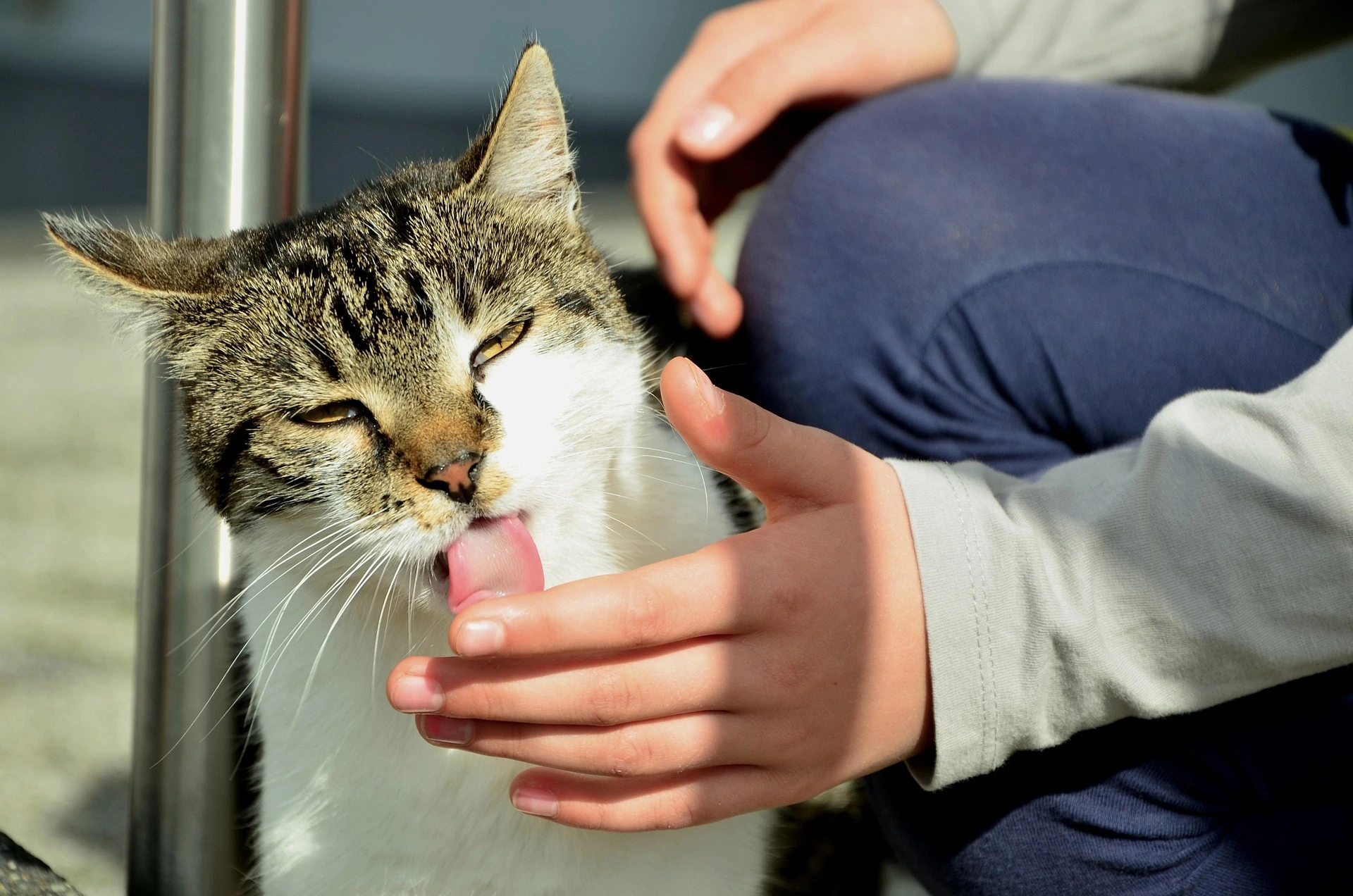
There’s a particular moment every cat owner knows well: you’re sitting peacefully on the couch when your feline companion suddenly decides your arm is desperately in need of a bath. Within seconds, you’re experiencing what can only be described as a “sandpaper kiss”—that rough, ticklish sensation that’s somehow both adorable and mildly uncomfortable. But what’s actually happening when your cat licks you? Is it affection, curiosity, or something else entirely?
The truth is, cat licking is far more complex than simple affection. It’s a multifaceted behavior rooted in feline biology, psychology, and social bonding. Understanding these reasons can deepen your relationship with your cat and help you recognize when licking crosses from sweet to concerning.
Table of Contents
Introduction: Decoding the “Sandpaper” Kiss
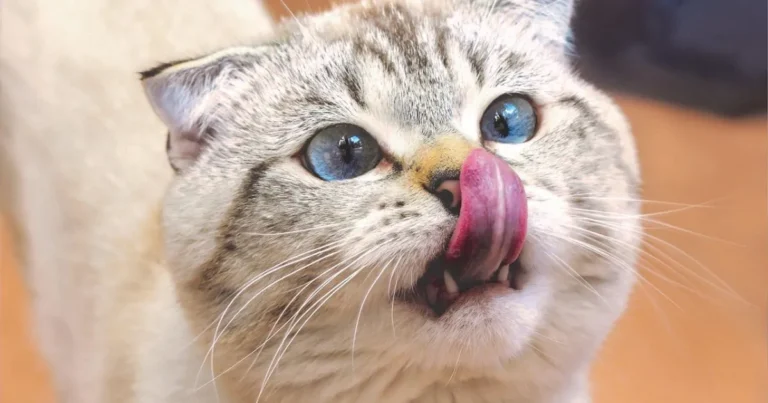
Your cat’s tongue feels rough and slightly abrasive for a very specific reason—and it has nothing to do with being loving or gentle. That texture comes from thousands of tiny backward-facing barbs called papillae, which are perfectly designed for their original purpose: stripping meat from bones and grooming themselves efficiently.
But here’s the beautiful part: your cat has chosen to share this uniquely feline behavior with you. When your cat licks you, they’re extending an action typically reserved for their own grooming routine to a human—which, to them, represents something quite significant.
However, not all licking is created equal. A gentle lick or two is typically normal and affectionate behavior. But excessive licking—where your cat fixates on a particular area of your skin, or licks you obsessively throughout the day—can signal something that requires attention. Learning to distinguish between normal affection and obsessive behavior is essential for responsible cat ownership.
7 Vet-Verified Reasons Your Cat Licks You
1. Strengthening the Bond Through Allogrooming
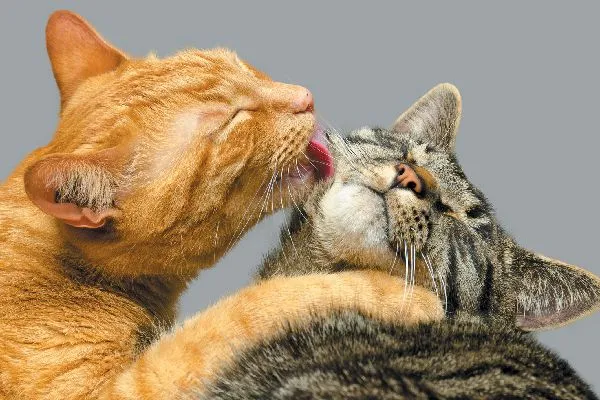
One of the most common and touching reasons your cat licks you is allogrooming—a social bonding behavior observed in wild cats and domestic felines alike. This is essentially your cat’s way of saying, “You’re part of my family.”
In multi-cat households, cats groom each other to reduce tension and aggression while reinforcing social bonds. When your cat extends this behavior to you, they’re treating you as a valued member of their colony. Research has shown that allogrooming reduces stress in both the groomer and the groomed cat, creating a calming, trust-based interaction.
2. The “Cleanliness” Instinct and Love Bites
Cats are notoriously fastidious creatures—some might even say obsessively clean. They spend up to 30% of their waking hours grooming themselves, and they extend this behavior to things (and beings) they care about. Your cat may genuinely believe your skin needs cleaning, especially if you’ve been outdoors or if there are food residues or lotions on your hands.
You might also notice your cat using their incisors to gently nibble while licking. These “love bites” are part of the grooming process—they’re attempting to clean areas more thoroughly, much like they would with a fellow cat or kitten. It’s an act of care, even if the intention doesn’t always translate perfectly to human skin.
3. Scent Marking and Ownership
Cats possess scent glands throughout their bodies, including on their tongue area and cheeks. When your cat licks you, they’re depositing pheromones onto your skin—essentially marking you as “theirs.”
This behavior serves multiple purposes. First, it creates a familiar, family scent that makes your cat feel secure and bonded. Second, it’s a form of ownership marking, similar to how cats rub their faces on furniture and their favorite humans. In your cat’s mind, licking you reinforces that you belong in their territory and within their family unit. It’s territorial behavior, but in the most affectionate way possible.
4. The Intelligent Attention-Seeker
Never underestimate your cat’s intelligence. Cats are incredibly perceptive and quickly learn which behaviors get them what they want. If your cat has discovered that licking you often leads to petting, treats, or your full attention, they’ll likely repeat the behavior.
Even if you sometimes react negatively to the licking, your cat may have still created a feedback loop. Negative attention—like moving away or saying “no”—is still attention. If your cat is food-motivated or craves interaction, they may have learned that licking is an effective way to initiate engagement with you.
5. Coping with Stress or Anxiety
Just as humans develop nervous habits, cats often redirect anxious energy into repetitive behaviors. Licking can become a self-soothing mechanism when your cat is stressed, fearful, or experiencing anxiety.
If your cat suddenly increases their licking behavior during storms, fireworks, moves, or other stressful events, this may be their way of managing emotional overwhelm. The repetitive motion can be genuinely calming to cats, similar to how meditation helps humans. In these cases, your cat may lick you not necessarily seeking interaction but rather seeking the comfort of your presence while they self-regulate.
6. Investigative Tasting
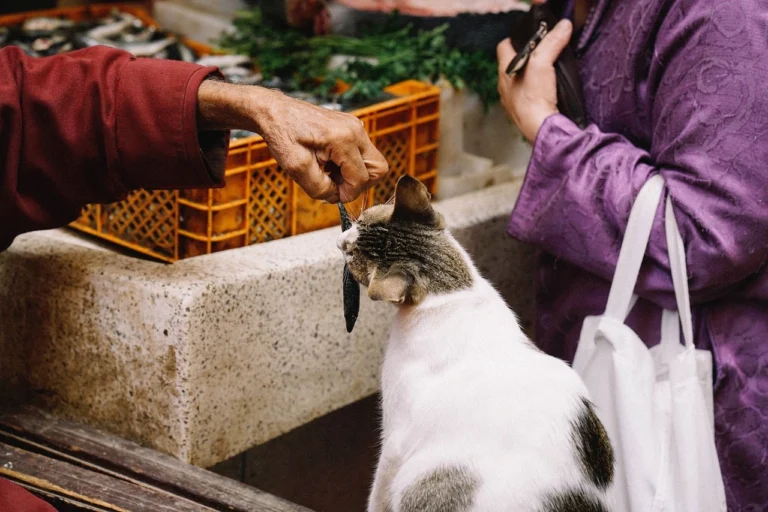
Cats explore the world through taste and smell. If you’ve recently applied a new lotion, perfume, or sunscreen, your cat may be investigating these novel scents and flavors. Similarly, if you’ve been cooking or eating, residual food particles on your hands or face become fascinating (and delicious) to your feline companion.
This investigative licking is pure curiosity—your cat is literally trying to understand what you’ve been doing and what you smell like. It’s not always about affection; sometimes it’s simply about satisfying feline curiosity.
7. Pure Relaxation and the Feel-Good Factor
Finally, licking is simply relaxing for cats. The grooming motion is soothing and activates the feline nervous system in a calming way. When your cat licks you in a gentle, rhythmic manner, they’re likely in a state of contentment and relaxation.
This is especially common if your cat licks you while sitting on your lap or cuddled against you. They’re not necessarily seeking anything; they’re simply enjoying your company and the meditative quality of the grooming behavior. For cats, licking can trigger the release of endorphins, creating a naturally pleasurable experience.
The Science Behind the Texture: Why It Hurts
Understanding your cat’s tongue structure explains why those “sandpaper kisses” sometimes feel uncomfortable. A cat’s tongue is covered in roughly 300 papillae—those tiny backward-facing barbs. This design is evolutionary genius: it allows cats to efficiently remove meat from bones and maintain their coat.
However, this same structure, when applied to human skin repeatedly, can cause redness and minor irritation. If your cat licks the same spot repeatedly over several minutes, you may notice your skin becoming slightly raw or inflamed. This is completely normal and typically not harmful, but it’s worth being aware of.
How to Discourage Excessive Licking
If your cat’s licking has become excessive or uncomfortable, several strategies can help redirect the behavior:
Redirection Through Play and Treats: When your cat begins licking you excessively, offer an alternative activity. Present a favorite toy, interactive puzzle feeder, or treat to shift their focus and reward the new behavior.
The Power of Ignoring: Breaking the feedback loop is often the most effective strategy. If your cat licks you for attention, calmly remove your attention by getting up and leaving the room. Don’t make eye contact, don’t speak—simply disengage. Over time, your cat will learn that licking doesn’t produce the desired outcome.
Never Punish: Yelling at, hitting, or punishing your cat for licking is counterproductive and harmful. It damages trust and may increase anxiety, potentially making excessive licking worse.
Environmental Enrichment: Provide alternative stimulation through scratchers, climbing trees, puzzle toys, and interactive play sessions. A mentally and physically stimulated cat is less likely to engage in obsessive licking.
When Professional Help Is Needed
While most licking is normal, certain signs indicate you should consult your veterinarian:
- Obsessive licking of a specific area of your skin or their own body
- Hair loss or alopecia, particularly in areas your cat frequently licks
- Visible scabs, scabs, or skin lesions on your cat or unusual redness
- Increased hairball frequency or vomiting
- Sudden behavioral changes in licking patterns
These signs can indicate underlying pain, allergies, parasites, or psychological issues like obsessive-compulsive disorder in cats. A professional veterinary assessment is essential to rule out medical causes and determine the appropriate treatment plan.
Conclusion: A Sign of Trust
When your cat licks you, they’re communicating on a fundamental level. Whether it’s allogrooming, scent marking, seeking attention, or simply enjoying a moment of relaxation, licking is ultimately a sign that your cat trusts you and considers you part of their family.
The key is learning to recognize the difference between normal affectionate licking and excessive behavior that warrants intervention. Most of the time, those rough kisses are simply your cat’s way of saying “I care about you”—even if their sandpaper tongue makes it feel more like a gentle abrasion than a kiss.
Balance your appreciation for this behavior with awareness. Monitor changes, provide plenty of enrichment, and don’t hesitate to involve your vet if something seems off. By understanding why your cat licks you, you’ll develop a deeper, more empathetic relationship with your feline companion—and maybe you’ll even start to appreciate those rough, ticklish kisses a little bit more.
FAQ
Why does my cat lick me so much?
Cats lick their owners for many reasons. They show affection, mark territory, seek attention, and explore through taste. It’s a way for them to bond socially, rooted in their natural instincts.
Is it normal for cats to lick humans?
Yes, it’s normal. Licking is a natural behavior for cats. It helps them bond, show affection, and communicate. When they lick you, they’re showing attachment or trying to interact.
Can excessive licking be a sign of a health problem?
Excessive licking might mean a health issue. It could be skin conditions, nutritional problems, stress, or anxiety. If your cat licks a lot and has hair loss or skin problems, see a vet.
Why does my cat’s tongue feel so rough when they lick me?
A cat’s tongue feels rough because of tiny papillae. These barbs help them groom, clean fur, and regulate temperature. It’s an adaptation for efficient grooming.
Is cat licking a form of territorial behavior?
Yes, licking is a way for cats to mark territory. They spread their scent through licking. It’s how they claim you as part of their group.
How can I stop my cat from excessive licking?
To stop excessive licking, try toys and a stimulating environment. Address stress and use positive reinforcement. If it doesn’t stop, see a vet for health or behavior issues.
Do all cats lick their owners?
Not all cats lick their owners. It depends on their personality, socialization, and relationship with humans. Some cats are more affectionate and lick more, while others show love differently.