What Cats Can and Can’t Eat: The Complete Guide Every Cat Owner Needs
Understanding Cat Biology First
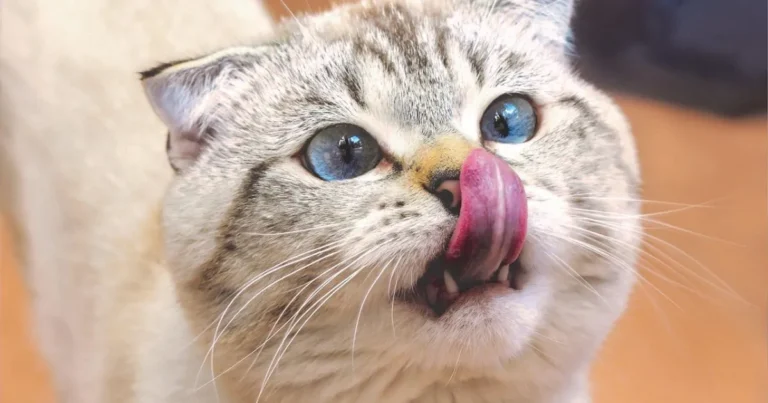
Here’s something most cat owners don’t realize until it’s too late: that adorable face staring up at you while you eat dinner isn’t just begging for affection — it’s a biologically driven hunter asking for the one thing it truly needs: animal protein.
Before diving into what cats can and can’t eat, it helps to understand why the rules are different for cats than for dogs or humans. Cats are obligate carnivores — a term that means they are physiologically required to eat meat to survive. Unlike dogs or humans, cats cannot synthesize certain essential nutrients on their own. Taurine, for example, is an amino acid that cats must obtain directly from animal tissue. Without it, they develop heart disease and go blind. You literally cannot feed a cat a vegetarian diet and keep it healthy long-term.
This biological reality shapes every decision you’ll make about cat nutrition.
Table of Contents
The 10% Rule: A Simple Guideline That Saves Lives
Nutritionists and vets agree on one foundational rule when it comes to human food for cats: treats and table food should never exceed 10% of your cat’s daily caloric intake. The other 90% should come from a complete and balanced commercial cat food — one that’s been formulated to meet AAFCO standards and labeled as such on the packaging.
That 10% window isn’t just about calories, though. It’s about balance. Cats have evolved nutritional needs that are exquisitely precise. Too much of even a “safe” food can tip the balance, leading to nutritional deficiencies, obesity, or digestive upset.
With that foundation in place, let’s get into the specifics of what cats can and can’t eat.
Part One: Safe Human Foods — What Cats Can Eat
Not all people food is poison for cats. In fact, some human foods can serve as healthy, high-value treats when offered correctly and in moderation. Here’s what’s genuinely safe.
Animal Proteins: The Core of a Cat’s Diet
Since cats are obligate carnivores, it makes sense that the safest “human foods” for them are also animal-based.
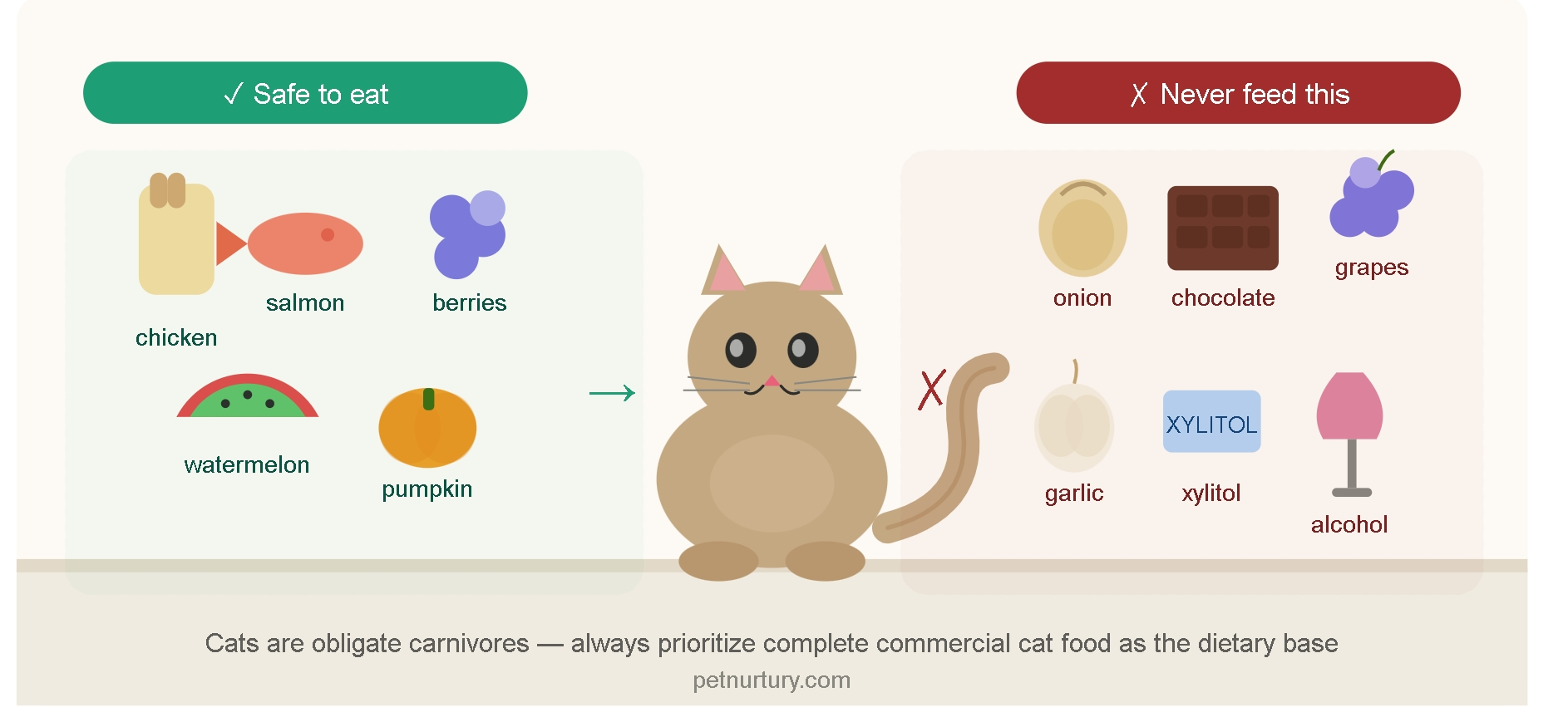
Cooked chicken, turkey, and beef are excellent options. A small piece of plain boiled chicken — no seasoning, no sauce, no skin — is one of the best treats you can offer a cat. It’s high in protein, easy to digest, and most cats go absolutely wild for it. Turkey works equally well. Lean beef is fine too, though many cats find it slightly less palatable than poultry.
A few important rules: always cook the meat thoroughly, remove all bones (especially cooked ones, which can splinter), and strip away fat and skin, which can trigger pancreatitis even in small quantities.
Cooked fish is another safe option. Cooked salmon and plain white fish like tilapia or cod make wonderful occasional treats. Many vets also consider canned tuna in spring water (not oil, not brine) acceptable in small amounts — but the key word is occasional. Tuna is high in mercury and, if fed daily, can lead to mercury toxicity and nutritional imbalances over time.
Cooked eggs — scrambled or hard-boiled — are a surprisingly excellent cat treat. Eggs are rich in protein and digestible fat. The critical point is that they must be fully cooked. Raw eggs carry Salmonella and contain a protein called avidin that blocks biotin absorption in cats.
Vegetables: Small Benefits, Careful Portioning
Cats don’t need vegetables the way humans do, but a few can offer gentle digestive benefits.
Plain pumpkin puree (100% pure, not the pie filling) is one of the most useful items in a cat owner’s pantry. It’s rich in soluble fiber and has long been used by vets to manage both constipation and diarrhea in cats. A teaspoon stirred into wet food can work wonders.
Cooked carrots, green beans, broccoli, and peas are all safe in small amounts. The cooking is important — raw, crunchy vegetables can be a choking hazard and are harder for cats to digest. These vegetables offer some fiber and micronutrients, though cats won’t absorb them nearly as efficiently as humans do.
Fruits: The Occasional Sweet Treat
Cats actually lack sweet taste receptors, so they’re unlikely to seek out fruit on their own. But some fruits are safe and even mildly beneficial when offered as a rare treat.
Blueberries, strawberries, and raspberries are rich in antioxidants and are non-toxic to cats. Offer just one or two at a time — the natural sugar content is a concern if given in large quantities.
Watermelon (seedless, rind removed) is hydrating and safe in small pieces. Given that cats are notoriously poor drinkers, this can be a creative way to boost hydration, especially in summer.
Apples and pears are safe with one important caveat: the seeds and core must be removed entirely. Apple seeds contain amygdalin, which converts to cyanide in the body. The flesh itself is perfectly fine in a small slice or two.
A Story From the Litter Box (and the Kitchen)
Let me tell you about a cat named Mochi.
Mochi is a six-year-old tortoiseshell who belongs to a woman named Claire in Portland, Oregon. Claire is a devoted cat mom — the kind who reads ingredient labels and schedules annual vet checkups. So she was horrified when Mochi started vomiting almost every evening for two weeks straight.
After a vet visit, blood work, and a lot of anxious googling, Claire traced the culprit back to her own kitchen. She had started adding a splash of low-sodium chicken broth to Mochi’s dry food to encourage her to drink more water. Harmless, right? Except the broth contained garlic powder — an ingredient so small Claire hadn’t even noticed it on the label.
Garlic, even in powdered form, is highly toxic to cats. Mochi recovered fully after the broth was removed from her diet, but Claire still gets teary-eyed when she talks about those two weeks.
The lesson isn’t just “garlic is toxic” — it’s that danger often hides in processed foods, seasonings, and even items labeled “low-sodium” or “natural.” When it comes to what cats can and can’t eat, the devil really is in the details.
Part Two: Toxic and Dangerous Foods — What Cats Cannot Eat
This section is the most important one. Some of these foods cause slow, cumulative damage. Others can kill a cat in a single exposure. Knowing this list could save your cat’s life.
Immediately Life-Threatening Toxins
The allium family — onions, garlic, shallots, leeks, and chives — are among the most dangerous foods for cats. They contain compounds called thiosulfates and disulfides, which damage feline red blood cells and cause a life-threatening condition called hemolytic anemia. The scary part is that the damage is cumulative and often delayed — a cat might eat a small amount of onion powder repeatedly for weeks before showing symptoms. All forms are dangerous: raw, cooked, dried, or powdered.
Grapes and raisins are another urgent concern. The exact mechanism of toxicity in cats remains unknown, but grapes and raisins have been definitively linked to acute kidney failure in both cats and dogs. There is no established “safe” amount. Even a single grape is considered a veterinary emergency for a small cat.
Chocolate and caffeine — including coffee, tea, energy drinks, and some medications — contain methylxanthines (theobromine and caffeine), which cats cannot metabolize. Even small amounts can cause rapid heart rate, muscle tremors, seizures, and death. Dark chocolate and baking chocolate are the most dangerous, but all chocolate is off-limits.
Household and Dietary Dangers
Dairy products are not immediately toxic, but they’re problematic for a different reason. The vast majority of adult cats are lactose intolerant — they simply lack the lactase enzyme needed to digest milk sugar. Giving your cat a bowl of milk or a slice of cheese will most likely result in vomiting, diarrhea, and a very unpleasant evening for both of you.
Raw yeast dough is dangerous for two reasons: the dough expands in the warm, moist environment of the stomach (potentially causing life-threatening bloat), and the fermentation process produces ethanol, which is absorbed into the bloodstream. Even a small amount of raw dough can cause alcohol toxicity in cats.
Xylitol, an artificial sweetener found in sugar-free gum, certain peanut butters, some baked goods, and oral care products, is extremely dangerous. In cats, it causes a rapid drop in blood sugar (hypoglycemia) and can lead to liver failure. Always check ingredient labels on anything in your home — and keep sugar-free products well out of reach.
Alcohol, in any form and in any amount, is highly toxic to cats. Their liver simply cannot process ethanol. Even a teaspoon of wine could cause dangerous intoxication, respiratory failure, and death.
Physical Dangers Often Overlooked
Cooked bones are one of the most underestimated dangers. Unlike raw bones (which remain flexible), cooked bones become brittle and splinter into sharp shards. These shards can lacerate the mouth, throat, esophagus, and intestines — sometimes causing perforations that require emergency surgery.
Fatty meat trimmings and salty foods may not be acutely toxic, but they carry significant risks over time. High fat intake is a major trigger for pancreatitis in cats, a painful and potentially fatal inflammation of the pancreas. Excess sodium stresses the kidneys and can worsen hypertension, which is already common in older cats.
Part Three: A Practical Guide to Safe Feeding
Knowing what cats can and can’t eat is only half the battle. The other half is knowing how to introduce foods safely.
The Pea-Sized Rule
Whenever you introduce any new food to your cat — even a completely safe one — start with a portion no larger than a small pea. Then watch carefully for the next 24 to 48 hours. Are there any signs of digestive upset? Any vomiting, loose stool, or changes in behavior? If everything looks normal after two days, you can consider adding that food as an occasional treat.
This rule matters because cats, even more than humans, can have individual food sensitivities that aren’t predicted by general safety guidelines. One cat might tolerate cooked salmon beautifully; another might develop an allergy response to it.
Preparation Is Everything
The safest way to prepare human food for cats is plain, plain, plain. No salt. No pepper. No butter. No garlic (obviously). No sauces, marinades, dressings, or seasonings of any kind.
Think of it this way: you’re not sharing your dinner with your cat — you’re setting aside a portion of a single plain ingredient before it gets seasoned. If you’re making grilled chicken for yourself, set aside a small unseasoned piece before it goes on the grill.
This habit will save you from accidentally poisoning your cat with a spice blend, a marinade that contains garlic powder, or a cooking oil that’s been stored in a flavored bottle.
Hydration: The Overlooked Priority
One of the best things you can do for your cat’s long-term health has nothing to do with food — it’s water. Cats evolved in arid environments and have a naturally low thirst drive. They often don’t drink enough water when fed exclusively dry kibble, which contributes to chronic low-level dehydration, urinary crystals, and kidney disease.
Wet food is one of the best tools for keeping cats hydrated — it typically contains 70–80% moisture, versus around 10% in dry food. If your cat eats primarily dry food, consider adding a cat water fountain (cats prefer moving water), offering small amounts of wet food daily, or even adding a tablespoon of unsalted chicken broth to their bowl.
Part Four: Emergencies — When to Call the Vet Immediately
Even careful cat owners sometimes face emergencies. Knowing when to act fast can make the difference between a full recovery and a tragedy.
Symptoms of Poisoning in Cats
If your cat has eaten something potentially toxic, watch for these warning signs:
- Repeated vomiting or retching
- Diarrhea (especially bloody)
- Extreme lethargy or sudden collapse
- Excessive drooling or foaming at the mouth
- Difficulty breathing or rapid, labored breathing
- Muscle tremors or seizures
- Loss of coordination or stumbling
- Pale or yellowish gums
- Sudden blindness or dilated pupils
These symptoms can appear within minutes of ingestion (as with xylitol) or be delayed by hours or even days (as with grape or allium toxicity). Don’t wait to see if they get better on their own.
What to Do Right Now
Step 1: Remove your cat from any further access to the suspected food.
Step 2: Call your vet or the ASPCA Animal Poison Control Center at (888) 426-4435 immediately. They operate 24/7. Note that a consultation fee applies, but it’s worth every penny in an emergency.
Step 3: If possible, bring the packaging of whatever your cat ate. Ingredient lists can be critical for determining the type and severity of toxicity.
Step 4: Do NOT induce vomiting unless specifically directed by a vet. Unlike dogs, cats can be harder to safely deinduce vomiting in, and the wrong approach can cause additional harm.
Conclusion: A Healthy Cat Starts with What’s on the Plate
Understanding what cats can and can’t eat isn’t about being overly cautious — it’s about making informed choices grounded in your cat’s biology. Cats are obligate carnivores with specific nutritional needs and surprisingly fragile tolerances for certain foods. The more you understand their biology, the more confidently you can navigate mealtime.
The good news? The fundamentals are simple:
- Build their diet on quality commercial cat food.
- Use the 10% rule for treats and human food.
- Stick to plain, cooked proteins and cat-safe vegetables and fruits.
- Keep the toxin list posted on your fridge.
- When in doubt, call your vet.
A healthy, well-fed cat is a cat that lives longer, feels better, and brings more joy into your home. That’s worth a little extra attention at the dinner table.
Quick Reference: Safe vs. Toxic Foods for Cats
| ✅ Safe (in moderation) | ❌ Never Feed |
|---|---|
| Cooked chicken, turkey, beef | Onions, garlic, chives, leeks |
| Cooked salmon, white fish | Grapes and raisins |
| Cooked eggs (no raw) | Chocolate and caffeine |
| Pumpkin puree (plain) | Xylitol (artificial sweetener) |
| Blueberries, watermelon | Alcohol |
| Cooked carrots, green beans | Raw yeast dough |
| Apples/pears (no seeds) | Cooked bones |
| Canned tuna (occasional) | Dairy products (most cats) |