
Can Dogs Eat Chicken Bones? A Complete Safety Guide for Pet Owners
If you’ve ever shared a meal with your furry companion, you’ve likely wondered about whether certain foods are safe. One question that commonly comes up among dog owners is: can dogs eat chicken bones? The answer is straightforward and critical to your pet’s health. Let’s dive into everything you need to know to keep your canine friend safe.
Table of Contents
The Clear Answer: Chicken Bones Are Never Safe
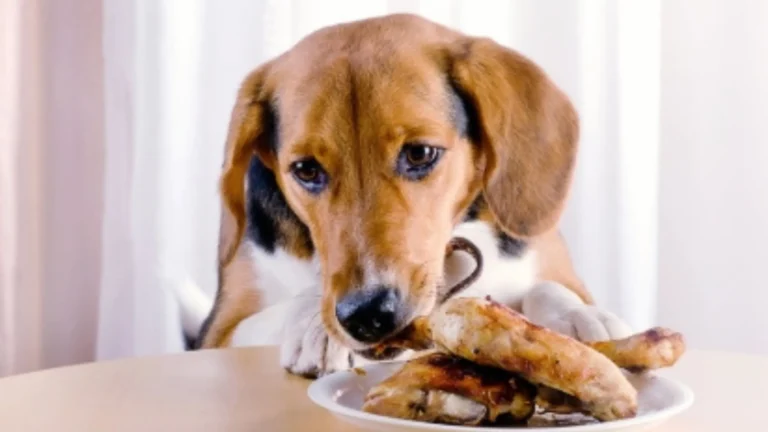
When it comes to can dogs eat chicken bones, the verdict is absolute: no. Chicken bones, regardless of size, type, or preparation method, should never be given to dogs. This isn’t a matter of moderation or occasional treats—it’s a non-negotiable rule for responsible pet ownership.
The primary danger lies in their brittle structure. Unlike beef marrow bones that are dense and durable, chicken bones shatter easily into razor-sharp fragments. These splinters pose multiple life-threatening risks to your dog’s health, from immediate choking hazards to serious internal injuries that can develop hours or days after consumption.
While chicken itself is an excellent protein source for dogs—nutrient-dense and highly digestible—the skeletal structure must always be completely removed before serving any chicken to your pet.
Understanding the Hidden Dangers: Why Splinters Are So Dangerous
The real threat from chicken bones extends far beyond simple choking. When your dog consumes bone fragments, several pathological risks emerge:
Immediate Physical Trauma
Sharp bone shards can cause severe injuries to your dog’s mouth, throat, and esophagus as they’re swallowed. Many dogs experience cuts and lacerations inside their oral cavity before the bone even reaches their stomach. In severe cases, fragments can become lodged in the esophagus, completely blocking the airway and requiring emergency surgical removal.
Internal Damage and Complications
Once swallowed, bone splinters don’t disappear. They travel through the digestive tract, scratching and potentially perforating the stomach lining and intestinal walls. These micro-tears create openings for bacteria to enter the abdominal cavity, leading to a life-threatening condition called peritonitis—a bacterial infection of the abdominal lining.
The statistics are sobering: veterinary research shows that bone fragments represent 30% to 80% of all reported esophageal foreign bodies in dogs. This means hundreds of thousands of pets each year suffer from complications related to bone ingestion.
Cooked Versus Raw: Both Carry Critical Risks
Pet owners sometimes debate whether one form is safer than another. When discussing can dogs eat chicken bones, the preparation method doesn’t matter—both carry serious dangers.
The Problem With Cooked Bones
Heat fundamentally changes bone structure, making it exponentially more fragile. Cooking denatures the collagen matrix that holds bone together, causing it to become brittle and prone to shattering into sharp, irregular pieces. Additionally, cooked bones are much harder for a dog’s stomach acid to break down, increasing the likelihood of blockages and impaction in the intestines.
The Problem With Raw Bones
While raw bones retain some structural integrity and may be slightly less likely to splinter, they introduce an entirely different danger: bacterial contamination. Raw chicken bones can harbor pathogens including Salmonella, E. coli, and Campylobacter. These bacteria cause severe gastrointestinal infections in dogs and pose zoonotic risks—meaning your pet can transmit these pathogens to you and other family members through contact or their feces.
Whether it’s a wing, drumstick, leg, or thigh bone, the risks remain identical across all chicken bone types.
The Benefits Myth: Why Theory Doesn’t Trump Safety
Proponents of feeding bones to dogs often cite legitimate nutritional and behavioral benefits. It’s important to understand these claims—and why they don’t justify the risks.
Nutritional Content
Chicken bones do contain valuable minerals: calcium, phosphorus, and magnesium essential for bone health. They also provide glucosamine and chondroitin, compounds that support joint function and mobility in aging dogs. These nutrients are real and meaningful.
Psychological and Dental Benefits
Chewing activates your dog’s parasympathetic nervous system, releasing endorphins that reduce stress and anxiety. The mechanical action of grinding bone can help remove tartar buildup from teeth, naturally supporting dental hygiene. These benefits genuinely contribute to overall wellness.
The Critical Reality Check
Here’s the essential truth: every single one of these benefits can be obtained through safer alternatives. Your dog can receive superior calcium and phosphorus from high-quality commercial dog foods formulated for complete nutrition. Joint health supplements derived from shellfish provide glucosamine and chondroitin without risk. Dental health improves through professional cleanings, dental chews specifically designed to be safe, and regular brushing.
None of these theoretical benefits justify the real, documented risks of choking, internal perforation, or septic infection.
What To Do If Your Dog Swallows a Bone: Emergency Protocol
Despite our best efforts, accidents happen. If your dog has consumed chicken bones, take these steps immediately:
Assess the Situation
Stay calm and observe for choking signs: excessive drooling, gagging, pawing at the mouth, difficulty breathing, or blue-tinged gums. These indicate an airway obstruction requiring immediate emergency intervention.
First Aid Measures
If the bone is visible in the mouth and easily accessible, carefully attempt manual removal. If choking is occurring, perform abdominal thrusts (the Heimlich Maneuver) or back blows between the shoulder blades.
Professional Veterinary Care
Contact your veterinarian immediately, even if your dog isn’t showing obvious distress. Never induce vomiting—the bone can cause additional damage on its way back up. Your vet may recommend X-rays to locate the fragment and monitor its progression through the digestive system.
Post-Ingestion Care and Monitoring
If your dog has swallowed a bone fragment and your vet determines monitoring is appropriate:
Supportive Measures
Feeding plain bread can help cushion the digestive tract as the fragment passes. Ensure adequate hydration—fresh water helps move material through the system and prevents impaction. Switch to a bland diet of plain cooked chicken and rice to minimize stomach irritation while the body recovers.
Most dogs pass bone fragments within 8-12 hours, though timing varies based on the dog’s size, the fragment size, and current fiber intake.
Safe Protein Alternatives: Nutrition Without Risk
Your dog can thrive on chicken—just not the bones. Consider these vet-approved options:
Prime Protein Choices
Boneless chicken breast offers lean protein and high digestibility. Chicken thighs provide iron, zinc, and B vitamins in a slightly fattier cut that many dogs find palatable.
Nutrient-Dense Organs
Chicken liver delivers vitamins A, B-complex, D, and E in highly bioavailable forms. Chicken gizzards provide glucosamine for joint health—the same compound you’d theoretically get from bones, but in a safe delivery method.
The Skin Question
Chicken skin is technically safe in very small quantities but should be avoided for dogs prone to pancreatitis due to its high fat content.
Final Thoughts
The question “can dogs eat chicken bones” has one definitive answer: they cannot. The risks—choking, internal perforation, bacterial infection, and blockage—are too serious and too well-documented to ignore. Fortunately, your dog can obtain every nutritional and psychological benefit through safer, equally appealing alternatives.
Your veterinarian can recommend appropriate protein sources, supplements, and chewing options tailored to your individual dog’s age, health status, and dietary needs. By making informed choices, you’re giving your beloved companion the best chance at a long, healthy, and happy life.
When in doubt about any food, consult your vet. It’s always the safest choice.