Cat Food for Kidney Disease That Cats Will Eat: Vet Tips
The cat food for kidney disease that cats will eat is a veterinary renal diet in a texture and flavor your cat accepts, introduced when she is not nauseated, warmed slightly and phased in slowly. If she refuses it, the cause is usually nausea or a learned food aversion, not stubbornness.
Treat the cause first, then change the menu. And if nothing works yet, keeping calories going matters more than a perfect diet for a while. For the full feeding plan, see our guide to the best cat food for kidney disease.
Table of Contents
Why Cats With Kidney Disease Stop Eating
If your cat suddenly turns her nose up at food she used to love, it is easy to read it as pickiness. In kidney disease it is more often a symptom. Failing kidneys let waste products build up in the blood, which can make a cat feel sick to her stomach, a state vets call uremic nausea. Dehydration, constipation, mouth sores, dental pain and high blood phosphorus can all pile on top.
That is why picky eater kidney disease is a medical problem before it is a feeding problem. A cat who feels queasy will not eat even the most appetizing meal, and the smell of the food may start to make her feel worse. Tell your vet about any drop in appetite. Other conditions, such as dental disease or an overactive thyroid, can cause the same symptoms and need their own treatment.
Kidney Disease Cat Food Acceptance Starts With Nausea Control
Many owners spend weeks swapping flavors when the real fix is a prescription from the vet. Kidney disease cat food acceptance improves a lot once nausea and appetite are managed. Ask your vet about:
- Anti-nausea medication. Several options exist for cats.
- Appetite stimulants. Some are given by mouth or as a skin ointment, and one is approved specifically for weight loss in cats with chronic kidney disease.
- Treating dehydration or constipation, both common in kidney cats and both enough to kill an appetite.
- Checking blood phosphorus. High phosphorus makes cats feel unwell, and a phosphate binder can help.
None of this replaces a good diet. It gives the diet a chance to be eaten.
Picky Eater Kidney Disease: How Food Aversion Works
Cats learn quickly. If she eats a food while nauseated, she may link that food with feeling sick and refuse it for good. This is a learned aversion, and it is why a bag of expensive renal food can sit untouched.
Two habits help:
- Do not introduce the new renal diet during a nausea flare. Wait until the cat is feeling better, ideally after nausea medication has kicked in.
- Keep a “safe” food separate. If your cat has one food she still accepts, use it to keep calories coming, and do not start the new diet on top of it. That way the new food does not become tainted by a bad day.
It also helps to avoid hiding medication in her main meal. A cat who finds a bitter pill in her dinner can turn against the whole bowl.
Palatable Kidney Food: What to Try First
In a hungry cat, aroma, temperature and texture drive the decision more than the label does. Palatable kidney food is mostly a matter of finding which of these your cat likes.
| Texture | Why it can work | Try it if |
|---|---|---|
| Smooth pate | Easy to eat and gives off less smell, which helps a nauseated cat | She sniffs and walks away from strong smells |
| Chunks in gravy or stews | Strong aroma and a moist, varied texture | She likes sauce or licks the gravy first |
| Loaf or minced | Soft and easy to lick | She has dental pain or a sore mouth |
| Renal dry kibble | Crunch and convenience | She refuses all wet food |
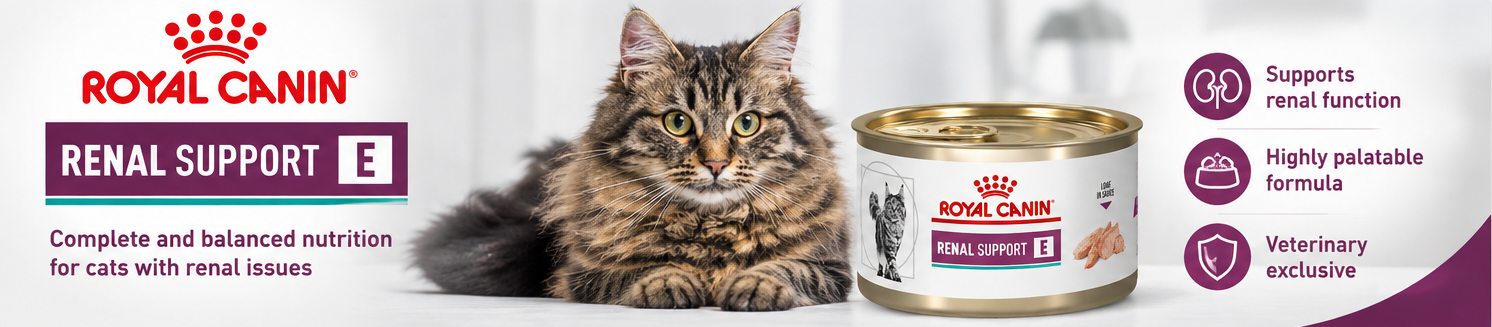
Many veterinary brands sell several textures and flavors, so you can rotate within a renal diet instead of switching away from it. For a comparison, see our guide to the best wet cat food for feline kidney disease. Hill’s markets its k/d recipes with an “Enhanced Appetite Trigger” design, and Royal Canin offers several renal versions that differ in aroma and texture. These are marketing claims, so what actually works varies from cat to cat.
Kidney Disease Food Taste: Tricks That Help and Ones That Backfire
Cats rely heavily on smell, and kidney disease can blunt appetite further. These simple moves cost nothing.
Helps:
- Warm the food slightly so the aroma comes out. A few seconds over warm water works better than a microwave, which can leave hot spots.
- Offer small portions often. Fresh food smells stronger than food that has been sitting.
- Try a shallow plate if she seems to dislike deep bowls.
- Moisten dry food with a little warm water just before serving.
- Ask your vet whether a small amount of low-sodium, onion-free broth is okay as a topper.
Backfires:
- Adding cheese, liver, tuna or other high-phosphorus toppers. They tempt cats and undo the diet.
- Changing food at every meal. It can make a cautious cat more suspicious.
- Hovering, coaxing or pushing the bowl. Stress can reduce appetite further.
- Giving up on renal food after one refusal. Many cats need a few attempts across different days.
Building an Appetizing Kidney Diet: A Gentle Transition
A slow switch protects the cat from a bad association. This is a rough pace, so adjust it to how she is feeling.
- Days 1 to 3: Mix roughly a quarter new food into her usual food.
- Days 4 to 7: Move to about half and half if she is eating well.
- Days 8 to 14: Shift to mostly new food, pausing whenever she slows down or seems nauseated.
- After two weeks: Many cats are fully switched, though some take three to four weeks. A sensitive cat can take longer, and that is normal.
If she refuses the mixed bowl, go back a step instead of pushing on. Starting again in a week is better than creating an aversion.
When She Still Won’t Eat
Sometimes everything is tried and the cat still will not eat the renal diet. That is the point where the goal changes. For a kidney cat, eating is the priority.
- Call your vet if she eats very little or nothing for more than a day. Cats that stop eating can develop serious problems quickly.
- Accept a less perfect food for now. IRIS guidance puts keeping the cat eating ahead of strict diet adherence. A cat eating a non-renal food is safer than a cat eating nothing.
- Ask about a phosphate binder to blunt the phosphorus in a less restricted food.
- Look at renal alternatives. Our guide to prescription cat food for kidney disease alternatives compares non-prescription options and what to check before switching.
- Ask about assisted feeding. For cats that keep losing weight, vets sometimes recommend syringe feeding or a feeding tube. It sounds drastic, and it often gives cats the calories and fluids they need to feel better.
Keep a Simple Feeding Log
A short note each day tells you far more than memory does:
| What to record | Why it helps |
|---|---|
| What she ate and how much | Shows whether she is getting enough calories |
| Vomiting or lip licking | Flags nausea |
| Weight, every week or two | Weight loss is the earliest warning |
| Treats and extras | Many are high in phosphorus |
Show the log at checkups. It makes medication and diet adjustments much easier.
Conclusion: Finding the Cat Food for Kidney Disease That Cats Will Eat
The cat food for kidney disease that cats will eat is found by treating nausea, choosing a texture and aroma your cat accepts, warming it, and switching slowly. Treat refusal as a clue, not a character flaw, and tell your vet early. A cat who eats a good-enough diet reliably is better off than one who is offered a perfect diet she refuses. For the whole feeding strategy, return to our complete guide to the best cat food for kidney disease.
FAQ: Getting a Cat With Kidney Disease to Eat
Why won’t my cat with kidney disease eat? Common reasons are nausea from waste buildup, dehydration, constipation, mouth pain and high phosphorus. Tell your vet, who can check for causes and treat them.
Is it okay to feed a non-renal food if she refuses renal food? Temporarily, yes. Eating is more important than a perfect diet. Ask your vet about a phosphate binder and a plan to move back to renal food.
How long should I wait before calling the vet if she is not eating? If she eats very little or nothing for more than a day, call.
Can I add broth or tuna juice to make renal food tastier? Ask your vet first. Many toppers are high in sodium or phosphorus. Plain warm water is the safest option.
Should I switch brands if she refuses one? Yes, within veterinary renal diets, but change one thing at a time and give each food a fair trial.
Are appetite stimulants safe for cats with kidney disease? Some are used regularly in kidney cats, but they should be prescribed and monitored by your vet.
How do I stop a food aversion? Introduce new foods when your cat feels well, avoid offering the new diet during nausea, and do not hide medication in her main meal.