Best Cat Food for Kidney Disease: Vet-Approved Diets & CKD Guide
The Feline Kidney Disease Reality
A chronic kidney disease (CKD) diagnosis rarely comes with a warning. One day your cat is eating normally; the next, a routine bloodwork panel reveals elevated creatinine and your vet is explaining a condition that can’t be reversed.
It’s a jarring moment for any cat owner but here’s the part that gets lost in the shock: CKD cannot be cured, but it can be managed extraordinarily well, and food is the single most powerful tool you control at home.
This isn’t an exaggeration. What you put in your cat’s bowl directly affects how fast the disease progresses, how your cat feels day to day, and according to long-term veterinary research on renal diets how much time you get together.
Cats switched to a properly formulated renal diet have shown meaningfully longer median survival times compared to cats left on a standard maintenance diet. That’s the entire premise behind finding the best cat food for kidney disease: it’s not about a magic brand, it’s about matching specific nutritional targets to your cat’s stage of disease and finding a version of that diet your cat will actually eat.
Table of Contents
Why Phosphorus Restriction Is the 1 Priority in Kidney Management
Healthy kidneys filter excess phosphorus out of the bloodstream every day. As kidney function declines, that filtering capacity drops, and phosphorus starts accumulating in the blood a condition called hyperphosphatemia. It doesn’t just show up on a lab report; it makes cats feel measurably worse, contributing to nausea, appetite loss, and lethargy.

The bigger problem is what phosphorus buildup triggers next: renal secondary hyperparathyroidism. In simple terms, high phosphorus levels force the parathyroid glands into overdrive, which pulls calcium out of bone and accelerates damage to the kidney tissue that’s still functioning.
It becomes a feedback loop, declining kidneys allow phosphorus to rise, and rising phosphorus damages kidneys further.
This is why kidney disease nutrition protocols are built almost entirely around phosphorus control:
| CKD Stage | Target Phosphorus (Dry Matter Basis) |
|---|---|
| Early-stage (IRIS Stage 1-2) | Below 0.6% |
| Advanced (IRIS Stage 3-4) | Below 0.5% |
| Therapeutic/prescription diets | 0.2%–0.3% |
Most standard adult cat foods run well above these thresholds, which is exactly why a dedicated renal diet, whether prescription or a carefully chosen cat food low in phosphorus and potassium for kidneys matters more than almost any other dietary decision you’ll make for a CKD cat.
Modern Protein Guidelines: High Quality vs. Starvation
Older veterinary advice leaned hard into aggressive protein restriction, based on the idea that lowering protein would reduce Blood Urea Nitrogen (BUN), a waste product kidneys struggle to clear. The logic made sense on paper, less protein in, less nitrogenous waste to filter.
In practice, it backfired for a lot of cats. Cutting protein too aggressively causes muscle wasting, weight loss, and a decline in body condition, problems that are especially dangerous in a cat already fighting a chronic illness. Losing muscle mass doesn’t just look bad; it accelerates overall decline.
The current approach for feline kidney support favors moderate protein levels sourced almost entirely from highly digestible, high-biological-value animal proteins, think egg whites, chicken, and pork rather than plant-based fillers.
This gives the body what it needs to preserve muscle while minimizing the toxic byproducts that come from poor-quality protein sources. It’s a meaningful shift from the old “restrict everything” mindset toward a more nuanced, cat-specific approach.
Wet vs. Dry Food: The Hydration Imperative
CKD cats lose the ability to properly concentrate their urine, which means they urinate more and lose water faster than they can replace it through drinking alone. Chronic mild dehydration is common and it makes everything else about the disease worse, since the kidneys need adequate hydration to filter effectively.
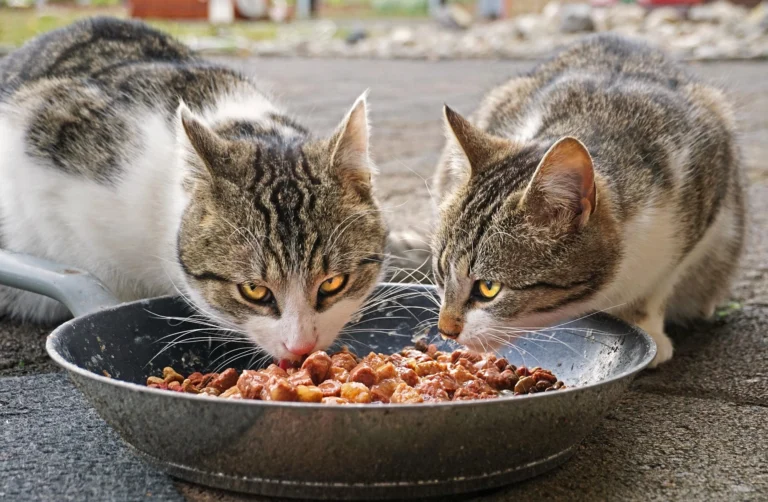
This is where wet food earns its reputation as the preferred format for a kidney disease treatment diet:
- Wet food typically contains 70–80% moisture, compared to roughly 10% in dry kibble
- Switching a cat entirely to wet food can add the equivalent of 4 extra ounces of water per day, comparable to a subcutaneous fluid injection given at home
- Better hydration supports kidney filtration and helps flush metabolic waste products more efficiently
That said, if your cat refuses canned food outright, a best dry cat food for early kidney disease formulated specifically for renal support is still far better than a standard dry diet.
The golden rule in CKD management always applies: a cat that won’t eat their ideal food should eat something rather than nothing.
Beyond Phosphorus: Other Essential Renal Support Nutrients
Phosphorus gets most of the attention, but a complete chronic kidney disease cat diet addresses several other factors:
- Omega-3 fatty acids (EPA & DHA) from marine sources help reduce kidney inflammation and may slow disease progression
- B-complex vitamins are lost rapidly through the frequent urination CKD causes, so therapeutic diets fortify these to help combat appetite loss
- Sodium control helps prevent hypertension, which places additional strain on already-compromised kidneys
- Potassium and alkalizing formulations counter potassium loss and help manage metabolic acidosis, a common complication in advanced CKD
Together, these elements form the backbone of genuine kidney health nutrition, it’s never just about one number on a label.
Top Vet-Recommended Prescription Renal Diets
Prescription renal diets remain the gold standard, particularly from Stage 2 onward. A few consistently stand out:
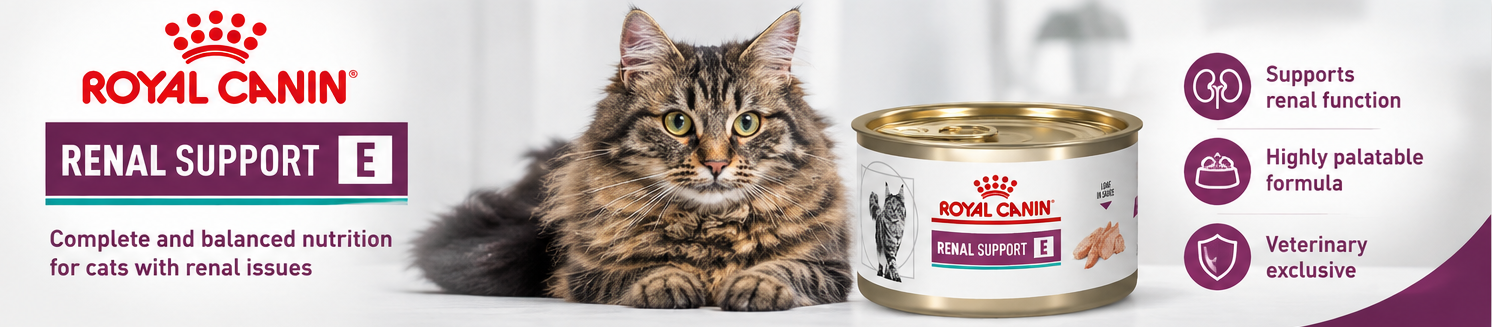
Royal Canin Veterinary Diet Renal Support: Built around palatability, offering multiple textures and aromas (including gravy-based options) specifically to stimulate appetite in cats who’ve gone off their food. Calorie-dense formulation means smaller portions still deliver adequate energy.
Hill’s Prescription Diet k/d : Long-established with a strong clinical track record. Features an appetite-stimulation approach and a B-vitamin-rich formula designed for long-term quality of life.
Purina Pro Plan Veterinary Diets NF Kidney Function : Offers staged formulas, with an “Early Care” version for initial CKD stages and an “Advanced Care” version for later-stage management.
Blue Buffalo Natural Veterinary Diet (KS/K+M) : A natural-ingredient alternative using deboned chicken, with added joint-support nutrients that benefit senior cats managing multiple age-related conditions.
These represent some of the most researched options for a best cat food for kidney disease with low phosphorus approach, though your vet will guide which formula and stage-specific version fits your cat’s current bloodwork.
Best Non-Prescription (OTC) Options & Alternatives
Not every cat needs or will accept a prescription diet immediately, particularly in early-stage CKD. A handful of OTC options have earned a place in serious prescription cat food for kidney disease alternatives conversations:
- Weruva Wx Phos Focused : Up to 50% less phosphorus than standard adult formulas, built around egg whites and chicken fat. Best suited for early-stage cats or as an intermittent addition, not a full prescription replacement.
- Weruva TruLuxe : Naturally low in dry-matter phosphorus, making it a reasonable option for healthy seniors trying to stay ahead of kidney decline.
- Forza10 Active Kidney Renal : Built on wild-caught fish and therapeutic botanicals, useful when prescription lines are temporarily unavailable.
- Darwin’s Intelligent Design KS : A raw-frozen option using chitosan, which binds some dietary phosphate before absorption.
A quick but important note on home cooked cat food for kidney disease: balancing phosphorus, taurine, and amino acid levels precisely enough for a CKD cat is genuinely difficult without guidance from a board-certified veterinary nutritionist.
It’s not that homemade diets can’t work, it’s that getting them wrong can accelerate decline rather than slow it.
How to Master the Food Transition (Avoiding Hunger Strikes)
Switching a sick cat’s food is often harder than choosing the food in the first place. A rushed transition frequently backfires, leading to a cat that refuses the new diet entirely.
- Go slow : Blend the new food in gradually over 2–4 weeks, starting around 25% new to 75% old, adjusting the ratio only every few days.
- Warm it slightly : Gently warming wet food releases aroma that can re-engage a cat’s interest in eating.
- Address nausea first : If uremic nausea is suppressing appetite, ask your vet about anti-nausea medication or appetite stimulants before pushing a diet change.
- Remember the golden rule : An underweight, undereating kidney cat is a bigger short-term risk than a cat eating the “wrong” food. If a cat flatly refuses renal food, any food (often paired with a vet-prescribed phosphate binder) is safer than starvation.
This kind of patient, staged approach applies whether you’re managing wet cat food for kidney disease stage 2 or trying to find a cat food for kidney disease that cats will eat at all.
Conclusion
There’s no single “best” food that fits every CKD cat, what matters is matching phosphorus control, protein quality, and hydration support to your cat’s specific stage, then finding a format they’ll actually eat consistently.
Whether that’s a low protein cat food for kidney disease in early stages, a full prescription renal diet later on, or a carefully chosen natural cat food for kidney disease as a supplement, the goal is the same: slow the disease, support quality of life, and keep your cat eating.
Always coordinate any diet change with your veterinarian, especially around IRIS staging and bloodwork monitoring, nutrition is powerful, but it works best as part of a full treatment plan.
4. FAQ Section
When should I start my cat on a renal diet?
Most vets recommend starting at IRIS Stage 2, or sooner if phosphorus levels begin rising on bloodwork, even before symptoms are obvious.
Is prescription food always necessary, or are OTC options enough?
Early-stage cats sometimes do well on carefully chosen OTC low-phosphorus foods, but Stage 3-4 cats generally need the tighter phosphorus control only prescription diets reliably provide.
Can regular cat food work if my cat refuses renal food?
Temporarily, yes a fed cat is safer than a starving cat. Work with your vet on transition strategies and consider phosphate binders as a bridge.
Does wet food really make that much difference?
Yes, the added moisture directly supports hydration and kidney filtration, and many cats find wet textures easier to eat when nauseous.
Are fish oil supplements necessary if my food doesn’t include omega-3s?
Ask your vet first; many renal diets already include therapeutic omega-3 levels, and stacking supplements without guidance can throw off other nutrient ratios.
How long does the food transition usually take?
Typically 2–4 weeks for cats transitioning smoothly; nauseous or very picky cats may need a longer, slower blend under veterinary guidance.