Best Food for Large Dogs & Growing Puppies
Watching your Golden Retriever or German Shepherd grow is a privilege. They start as tiny furballs and grow into strong, healthy friends. This growth period is crucial, and your choices matter a lot.
Large breed dogs need more than regular puppy food. They require special nutrition to support their growth. Breeds like Golden Retrievers and German Shepherds face unique challenges that need targeted care.
Most large breeds need special puppy food for at least a year. Some may need it for two years to ensure their bones and joints grow right. This period is key, as it shapes your dog’s health and well-being.
Choosing quality large breed dog food is vital. It helps avoid expensive health problems later. Without the right food, your dog might face joint issues and mobility problems.
You need to understand what makes large breed puppy nutrition special. Knowing why regular puppy food isn’t enough helps you make better choices. This knowledge protects your dog’s health and happiness.
Table of Contents
Why Large Breed Puppies Need Special Nutrition
Your large breed puppy grows fast. In just a year, they can reach adult size, gaining pounds weekly. This rapid growth needs careful nutrition to avoid health problems.
Feeding large breed puppies requires understanding that faster growth isn’t always better. Bones need time to develop and strengthen. The wrong diet can make bones weak and prone to injury. That’s why special formulas are crucial for your growing dog.
Your veterinarian can explain how specific nutrients build strong bones and joints. The key is balance, not just quantity.
Managing Optimal Growth Rates
Controlling growth protects your puppy’s skeleton. Feeding large breed puppies slowly helps prevent developmental problems. Bones need time to mineralize and strengthen as they grow.
- Regulated growth rates reduce skeletal stress
- Proper nutrition prevents bone deformities
- Controlled development protects long-term health
- Careful feeding avoids expensive surgeries later
Supporting Healthy Joint and Bone Development
Specialized nutrition for big dogs prevents hip and elbow dysplasia. These conditions cause pain and limping. A balanced calcium-to-phosphorus ratio fuels bone growth at the right pace.
Your puppy needs precise nutrient ratios. The balance between calcium and phosphorus supports skeletal health. Choosing the right food means selecting formulas that support proper development and prevent diseases.
Understanding the Unique Dietary Requirements of Big Dogs
Large breed dogs need special food that’s different from small dogs. Your dog’s diet should be balanced, not too much of one thing. Many owners think “high protein” or “extra calcium” is good, but it can be bad for growing puppies.
It’s important to know that fast growth isn’t always good. Big puppies grow fast, and their bones and joints need care. Too much protein and calcium can hurt their bones and lead to joint problems later.
- Controlled fat levels prevent rapid weight gain that stresses developing joints
- Moderate protein ratios support muscle development without excess growth acceleration
- Precise mineral balance ensures proper bone development without oversupplementation
When checking food labels, ignore the marketing talk. Regular puppy or adult dog food won’t do. Your large dog needs a special diet with the right calcium and phosphorus levels, usually 1.2 to 1.5 percent calcium and 0.9 to 1.1 percent phosphorus.
Knowing these needs helps you choose the best food for your puppy’s health and movement.
Key Ingredients to Look for in Large Breed Puppy Food
Finding the right food for your large breed puppy is key. You need to know how to read labels and find the right nutrients. Quality dog food for giant breeds should help your puppy grow without problems.
Choosing high protein dog food for large breeds is an investment in your puppy’s health. Look for formulas that support muscle, bone, and joint health. Knowing what to look for helps you make good choices, not just based on what’s on the package.
High-Quality Animal Protein for Muscle Development
Your large breed puppy needs strong muscles. Look for dog food with real animal proteins like chicken, lamb, or fish as the first ingredient.
Avoid terms like “meat by-products” or “animal by-products.” Your puppy needs 22-24% protein to build muscle without harming their joints. Good protein sources give them the amino acids they need.
Calcium and Phosphorus Balance
The calcium-to-phosphorus ratio is crucial for large breeds. Aim for a ratio of about 1.2:1 in quality dog food for giant breeds. This helps prevent bone problems and ensures bones grow right.
Check the guaranteed analysis on the package to see if it matches. Too much calcium can be dangerous, while too little can harm bone development. This ratio is essential when picking high protein dog food for large breeds.
Glucosamine and Chondroitin for Joint Support
Large breed puppies put a lot of stress on their joints. Quality dog food for giant breeds should have glucosamine and chondroitin. These help keep cartilage healthy and prevent joint damage.
Choosing food with joint support saves money on supplements. Other good ingredients include:
- DHA for brain and eye health
- Antioxidants for a strong immune system
- Prebiotics and probiotics for a healthy gut
- Omega-3 fatty acids for a shiny coat and healthy skin
Avoid foods with too many fillers like corn, wheat, or soy. When picking high protein dog food for large breeds, read every ingredient. Choose formulas that focus on real food, not cheap fillers.
Best Food for Large Dog Breeds: Top Picks
Finding the right food for your large breed puppy is key. Look for brands that offer real results. You have options like vet-formulated foods and natural ingredients. Each has its own benefits, prices, and feeding styles to fit your needs.
When looking for the best food for large dog breeds, consider these trusted names:
- Royal Canin – Veterinary-formulated with extensive research backing
- Hill’s Science Diet – Vet-verified and scientifically developed
- Pro Plan – Science-based nutrition at competitive prices
- Eukanuba – Breed-specific formulations for large dogs
- Black Hawk – Natural ingredient profiles for health-conscious owners
- Blue Buffalo – Features exclusive LifeSource Bits with antioxidants

The top rated food for big dogs has key qualities. They use deboned chicken and real animal proteins as main ingredients. They avoid chicken by-product meals, corn, wheat, soy, artificial flavors, and preservatives. They also meet strict calcium-phosphorus ratios for bone growth.
Blue Buffalo is special with its LifeSource Bits technology. This cold-formed kibble keeps nutrients fresh and adds antioxidant support. Your large breed puppy gets all the nutrients they need in every bite.
When comparing top rated food for big dogs, look at nutrient balance, ingredient quality, availability, and cost. Your vet can help pick the best food for your dog’s needs. They’ll consider your budget and support healthy growth and joint development.
How Much and How Often to Feed Your Large Breed Puppy
Feeding your large breed puppy right is crucial for their health. The right amount and timing of food is key for growth and development. Don’t base their food on their future size. This can cause bone and joint damage.
Start with the feeding guide on your puppy food. It gives a starting point based on their current weight. Adjust the amount based on their body condition and activity level. Aim for a steady, healthy growth pace.
Portion Control Guidelines
Use a measuring cup or kitchen scale to measure food. Don’t guess the amount, as it can lead to overfeeding. Overfeeding can cause rapid weight gain, harming developing bones and joints.
Check your puppy’s ribs often. They should be easy to feel but not visible. A waist tuck is visible when looking from above. These signs help you know if the portions are correct.
- Weigh your puppy weekly to track growth
- Use the same measuring cup every time you feed
- Keep a feeding log to monitor portions and weight
- Adjust portions as your puppy grows
- Avoid table scraps and extra treats
Meal Frequency by Age
Your puppy’s meal schedule changes as they grow. Younger puppies need more meals to keep their energy up and support growth. Smaller meals also prevent bloat and reduce digestive stress.
| Puppy Age | Meal Frequency | Number of Meals Per Day | Feeding Notes |
|---|---|---|---|
| 8 to 12 weeks | 4 meals per day | 4 | Space meals 3-4 hours apart; focus on quality nutrition for healthy meals for large dogs |
| 3 to 6 months | 3 meals per day | 3 | Space meals 4-5 hours apart; monitor growth rate closely |
| 6 to 12 months | 2 meals per day | 2 | Space meals 8-12 hours apart; transition to adult feeding schedule |
| 12 months and older | 2 meals per day | 2 | Continue with consistent healthy meals for large dogs for life |
Feeding consistency matters. Give your puppy meals at the same times each day. This routine helps with house training and keeps their metabolism steady. Check their weight and body condition at least once a month. Regular check-ins help catch growth problems early and adjust portions as needed.
Ingredients to Avoid in Your Large Dog’s Diet
When looking for the best dry food for large dogs, it’s key to know what to avoid. Your large breed puppy’s health depends on making smart choices about their nutrition. Reading ingredient labels helps you spot red flags before spending money on formulas that could harm your growing dog.
Grain fillers like corn, wheat, and soy should be avoided. These ingredients provide empty calories without the nutrient density your large breed needs. Your dog’s digestive system struggles to process these fillers efficiently. Many large dogs develop food sensitivities to grains, causing itching, digestive upset, and poor coat quality.
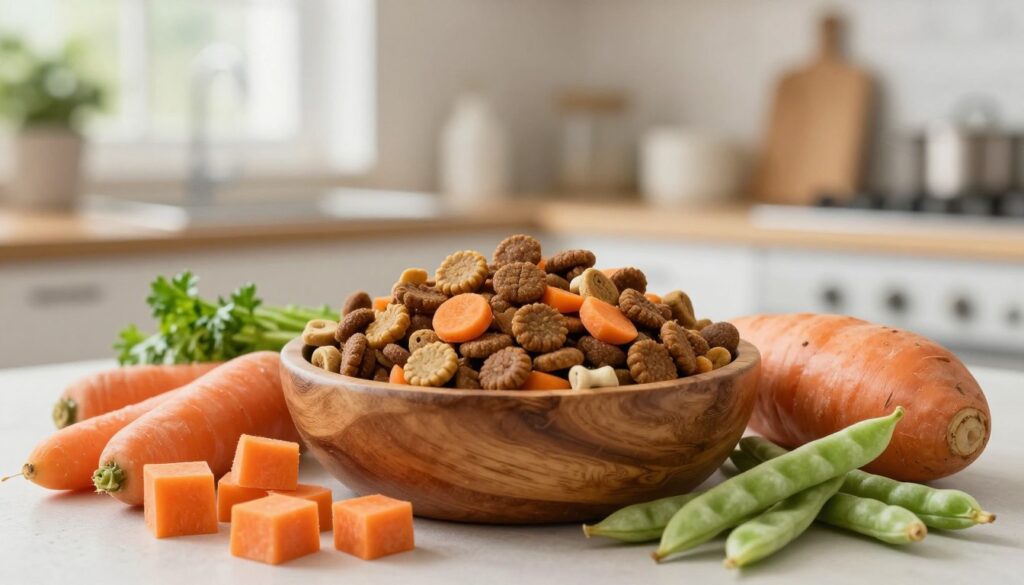
When evaluating the best dry food for large dogs, watch for chicken by-product meals. These contain low-quality protein sources like feet, beaks, and organs rather than real muscle meat. This differs significantly from chicken meal, which contains higher-quality protein. By-products offer minimal nutritional value for your puppy’s growth and development.
Critical Ingredients to Eliminate
- Excessive calcium levels above 1.5% on a dry matter basis
- Artificial preservatives such as BHA, BHT, and ethoxyquin
- Artificial colors that serve no nutritional purpose
- Artificial flavors indicating poor ingredient palatability
- Generic fat sources like “animal fat” without species identification
- Corn, wheat, and soy as primary ingredients
Calcium deserves special attention when choosing the best dry food for large dogs. Excessive calcium causes serious developmental bone disorders in large breed puppies. Products marketed with “extra calcium for strong bones” actually harm your puppy’s skeleton. Look for balanced formulas with appropriate calcium levels instead.
“Your large breed puppy needs precision nutrition, not marketing hype. Reject foods with vague ingredient descriptions and unclear sourcing.”
Generic fat sources indicate lower quality control compared to specifically named ingredients like chicken fat or salmon oil. Always select products listing exact fat sources. This transparency shows the manufacturer prioritizes ingredient quality and safety for your large breed puppy.
Beneficial Add-Ons and Feeding Accessories for Large Breeds
Caring for your large breed puppy is more than just the right kibble. You can make mealtime better with accessories and toppers. These help with nutrition and make eating easier. They also support your puppy’s growth and fit into your daily life.
Meal Toppers and Supplements
Meal toppers are a simple way to make your puppy’s food more appealing and nutritious. Options like bone broth, freeze-dried meat, and pureed veggies make dry kibble more tasty. They also add moisture, which is great for large breeds.
Always check with your vet before adding supplements. A good puppy food already has all the nutrients your puppy needs. Too much calcium or vitamins can be harmful. Joint supplements might help some breeds, but only with your vet’s advice.
Smart Feeding Tools
Your feeding setup is just as important as the food. Here are some useful accessories:
- Elevated feeding bowls help big dogs eat without straining their necks and might lower bloat risk
- Slow-feeder bowls stop your dog from eating too fast, which can upset their stomach
- Automatic feeders keep meal times regular, even when you’re busy
- Pet water fountains make sure your dog drinks more water with fresh, flowing water
- Smart feeders with app controls let you manage feeding times and amounts from anywhere
These tools create a complete feeding system for your large breed. They support your dog’s nutrition and fit your lifestyle.
Understanding LifeSource Bits and Antioxidant-Rich Formulas
When you look for top-notch puppy food for big dogs, you’ll find new ways to keep them healthy. LifeSource Bits are a special mix made by vets and nutrition experts. They pack antioxidants, vitamins, and minerals to boost your puppy’s immune system and health.
LifeSource Bits are made without high heat, unlike regular kibble. High heat can destroy nutrients like vitamins C and E. But, these bits keep these nutrients safe, offering up to 30% more active ingredients in each bite.
Your big puppy needs strong immune support puppy nutrition during their growth. Antioxidants fight off damage from daily life, toxins, and play. This helps keep your puppy’s cells healthy as they grow and play.
How Antioxidant-Rich Formulas Work
An antioxidant dog food focuses on specific health areas. The dark-colored LifeSource Bits mix with regular kibble for balanced meals. This mix ensures your puppy gets all the nutrients they need with every meal.
| Nutrient Type | Cold-Formed Kibble | Traditional Kibble | Puppy Benefit |
|---|---|---|---|
| Vitamin C | 95% Retained | 65% Retained | Stronger immune response |
| Vitamin E | 92% Retained | 60% Retained | Better cellular protection |
| Omega-3 Fatty Acids | 88% Retained | 55% Retained | Improved coat and brain health |
| Probiotics | 90% Retained | 50% Retained | Enhanced digestive function |
Evaluating Premium Formulations
Premium foods cost more because of how they’re made and what’s in them. Choosing antioxidant-rich foods means you’re paying for better nutrient preservation. Knowing this helps you pick the best food for your puppy, not just the most expensive.
- Cold-forming minimizes nutrient degradation
- Antioxidant blends support immune development
- Precision nutrition matches puppy life stages
- Enhanced formulas justify higher costs
Your puppy needs food that’s backed by science. Foods rich in antioxidants offer real health benefits for a long, healthy life.
Transitioning from Puppy Food to Adult Large Breed Formula
Large breed puppies grow at their own pace. It’s important to switch to adult food at the right time. This ensures they stay healthy and comfortable.
Timing the Switch
Large breed dogs grow slower than small ones. They often need puppy food for a year or more. Some, like Great Danes, may need it even longer.
Your vet will tell you when to switch. They check your dog’s growth plates and bones. Switching too early or late can be bad for your puppy.
Gradual Transition Steps
Changing dog food should be done slowly. It takes 7-10 days. A quick change can upset your dog’s stomach.
- Days 1-3: Mix 25% new food with 75% old puppy food
- Days 4-6: Use a 50-50 ratio of both foods
- Days 7-9: Increase to 75% new food with 25% puppy food
- Day 10: Switch completely to 100% adult large breed dog food
Keep an eye on your dog’s digestion during the change. Look for changes in stool, energy, and coat. If they seem off, slow down the transition. Choose good quality adult food or mix it with wet food for better taste and hydration.
Conclusion
Choosing the right food for your large breed puppy is more than just feeding. It’s an investment in their health, affecting their bones, joints, and life quality. Premium puppy formulas may cost more, but they save you from expensive vet bills later.
Now, it’s time to act on what you’ve learned. Check your current food against the standards in this article. Talk to your vet about your puppy’s specific needs. If you need to change food, do it slowly to avoid upsetting their stomach.
Consistency is key for your puppy’s health. Stick to regular feeding times and monitor their condition weekly. These habits are crucial for healthy growth.
Plan for when your puppy grows up and needs adult food. Use auto-delivery for your chosen formula to keep their nutrition steady. This approach supports their growth without any breaks.
By following these steps and staying committed to good nutrition, you’re setting your puppy up for a strong, healthy life.
FAQ
What exactly qualifies as a large breed dog, and why does my German Shepherd or Golden Retriever need specialized nutrition?
Large breed dogs weigh between 50-100 pounds at maturity. They include breeds like German Shepherds and Golden Retrievers. These dogs need special food because they grow bones quickly in their first 1-2 years.
Standard puppy food is not enough for them. They need food with the right amount of calcium, phosphorus, protein, and fat. This helps their bones and joints grow strong without growing too fast.
Choosing the right food can prevent expensive health problems. Problems like hip and elbow dysplasia can cost a lot to fix.
Why is controlled growth better than rapid growth for my large breed puppy?
Rapid growth puts too much stress on a puppy’s bones. If they grow too fast, their bones can’t get strong enough. This can lead to problems like hip and elbow dysplasia.
Controlled growth lets bones develop at the right pace. This helps them get strong and healthy. Special puppy food is made to help with this.
Is more protein and calcium always better for my large breed puppy?
No, too much protein and calcium can be bad. It makes bones grow too fast. This can cause problems like hip and elbow dysplasia.
Large breed puppies need the right amount of protein and calcium. They also need balanced fat. This helps them grow without harming their bones.
What should I look for as the first ingredient in high-quality large breed puppy food?
Look for high-quality protein sources like “deboned chicken” or “lamb.” These come from muscle meat. Avoid “meat by-products” because they are lower quality.
Good dog food will list these ingredients clearly. It shows the brand cares about what goes into the food.
What is the ideal calcium-to-phosphorus ratio for large breed puppy food?
The ideal ratio is about 1.2:1 (calcium to phosphorus). Check the label to make sure. This ratio is important for healthy bone growth.
It helps prevent problems like hip and elbow dysplasia. If the ratio is not right, don’t choose that food.
Should I supplement my large breed puppy with glucosamine and chondroitin separately, or should these be in the food?
Good puppy food should have glucosamine and chondroitin. This saves money and ensures joint health. Always check the ingredient list.
Before adding supplements, talk to your vet. If the food already has these, extra supplements might not be needed.
What additional beneficial ingredients should I look for in the best dry food for large dogs?
Look for DHA for brain health, antioxidants for immune support, and probiotics for digestion. These show the food goes beyond basic needs.
They help your puppy grow strong and healthy. Premium foods often include these ingredients.
Can you recommend specific brands for the best food for large dog breeds?
Several brands are good for large breed puppies. Royal Canin and Hill’s Science Diet are vet-approved. Pro Plan offers science-based nutrition at good prices.
Eukanuba has breed-specific formulas. Black Hawk uses natural ingredients. Blue Buffalo has LifeSource Bits for extra nutrition. Each brand meets important criteria for large breed dogs.
How should I calculate portion sizes for my growing large breed puppy?
Use your puppy’s current weight to figure out portions. This prevents overfeeding. Use feeding charts as a starting point and adjust as needed.
Measure food carefully to avoid overfeeding. Watch for signs of too much food, like an obvious waist or too much weight.
What is the appropriate meal frequency for large breed puppies at different ages?
Puppies under six months should eat 3-4 times a day. This helps prevent bloat and keeps energy levels stable. Older puppies can eat twice a day.
Feeding more often helps prevent digestive problems and supports steady growth. This schedule helps your puppy get the nutrients they need.
What ingredients should I immediately reject when evaluating dog food for large breeds?
Avoid foods with corn, wheat, or soy as main ingredients. These are just fillers and can cause allergies. Also, steer clear of “chicken by-product meals” because they are low-quality.
Excessive calcium can harm bones. Look for foods with balanced ingredients and avoid artificial additives. Good food will list ingredients clearly.
Should I use meal toppers or supplements with my large breed puppy’s food?
Meal toppers like bone broth or freeze-dried meat can make food more appealing. But, if your puppy’s food is complete, don’t add extra supplements without checking with your vet.
Supplements can be helpful for joint health, but only if your vet says so. This prevents too much of any one thing in your puppy’s diet.
What feeding accessories would benefit my large breed puppy?
Elevated bowls can help prevent neck strain and bloat. Slow-feeders prevent gobbling, which can upset the stomach. Automatic feeders keep meal times consistent.
Pet water fountains encourage drinking more water. Smart feeders with apps help manage portions and schedules. These tools support your puppy’s health and your lifestyle.
What is LifeSource Bits technology, and does it offer real nutritional advantages?
LifeSource Bits are special kibble pieces with antioxidants, vitamins, and minerals. They are made without high heat, which helps keep nutrients fresh. This means your puppy gets more nutrition in every bite.
This technology is a big plus for health-conscious pet owners. It shows the brand cares about your puppy’s nutrition.
When should I transition my large breed puppy from puppy food to adult formula?
Large breed dogs grow bones until they are 18-24 months old. Some breeds, like Great Danes, may need puppy food longer. Talk to your vet about when to switch.
Switching too early or too late can be bad. Your vet can check if your puppy is ready with a physical exam or X-rays.
How should I gradually transition my large breed dog from puppy to adult food?
Start by mixing 25% new food with 75% puppy food for 3 days. Then, mix 50-50 for 3 days, and finally, 75% new food with 25% puppy food for 3 days. On the 10th day, switch to 100% adult food.
This slow transition helps prevent upset stomachs. Watch for signs of discomfort and adjust as needed. This ensures a smooth transition to adult food.
Why is investing in quality large breed puppy food worth the extra expense?
Premium puppy food may cost more, but it’s worth it. It helps prevent expensive health problems later. Problems like hip and elbow dysplasia can cost thousands to fix.
Choosing the right food is a health investment. It helps your puppy grow strong and healthy. This is much cheaper than treating preventable diseases.
What should I do right now to ensure my large breed puppy has optimal nutrition?
Check your current food against the best options for large breeds. Talk to your vet about your puppy’s needs. If needed, switch to a better food slowly.
Keep feeding times consistent and watch your puppy’s health. Plan for the transition to adult food when the time comes. Consider auto-delivery to keep your puppy’s food consistent.