Can Cats Have Sardines? Safety and Nutrition Facts
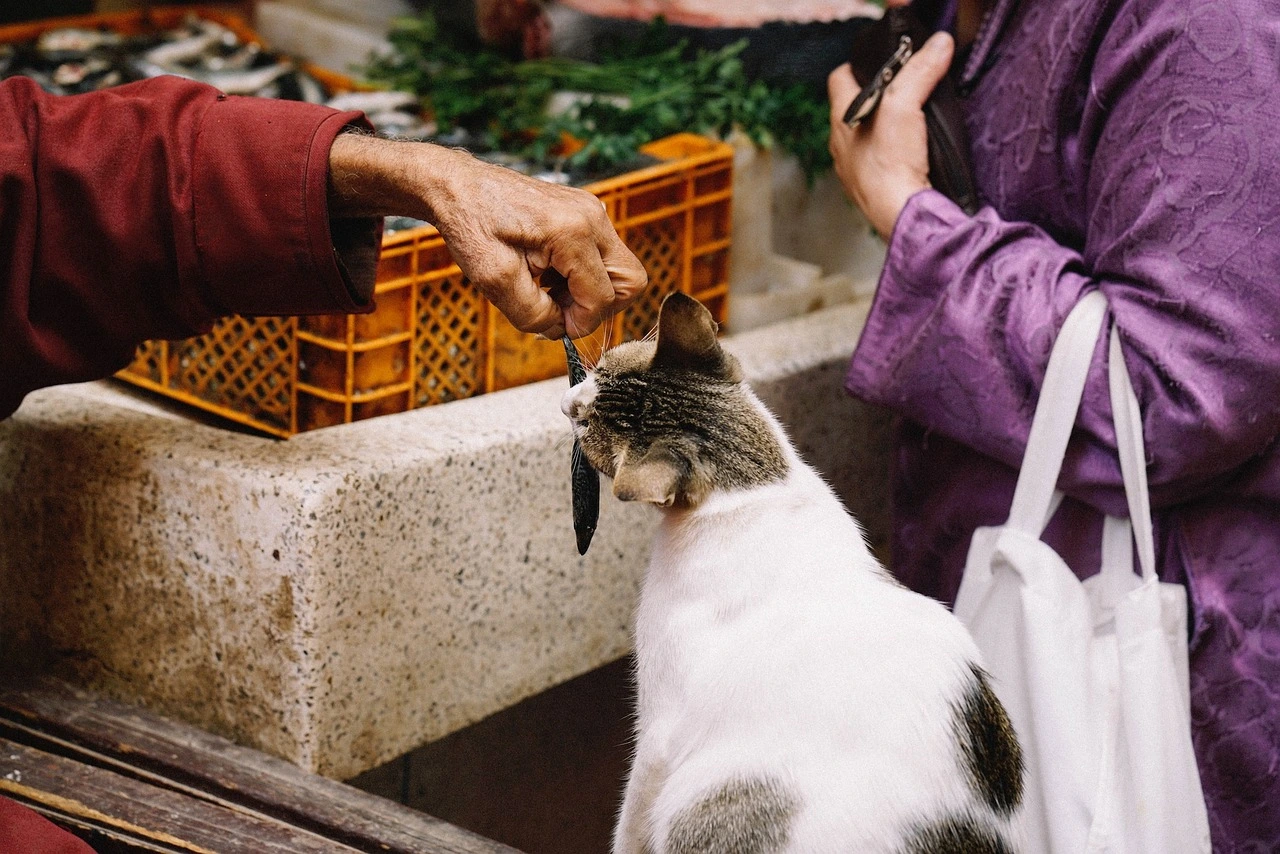
Your cat watches you open a can of sardines and suddenly shows intense interest. That familiar meow turns into an insistent plea. You wonder if sharing this fish with your feline friend is safe or if you should put the can away. This moment happens to many cat owners, and the answer matters more than you might think.
Can cats have sardines? Yes, but with important conditions. Your cat can enjoy sardines as an occasional treat when you prepare them correctly. The key is understanding which sardines work best and how often your pet can safely eat them.
Cats and sardines can be a good match nutritionally. These small fish pack protein, omega-3 fatty acids, and other nutrients that support your cat’s health. The challenge comes from how sardines are packaged and prepared. Many canned versions contain excess salt, oil, and preservatives that can harm your cat’s kidneys and heart.
Your cat’s digestive system differs from yours. Their bodies process foods differently. What seems safe in small amounts for humans can cause problems for cats. This is why fresh or plain canned sardines in water are the best choices for your pet.
This guide explores everything you need to know about feeding sardines to your cat. You’ll learn which types are safest, how much your cat can eat, and how to prepare them properly. You’ll also discover potential risks and when sardines might not be appropriate for your cat’s health needs.
Can Cats Have Sardines
Many cat owners wonder if sardines are good for their pets. It’s about knowing your cat’s needs and what sardines offer. Sardines can be part of a healthy diet for cats, but only if you know how to feed them right.
Understanding Feline Dietary Needs
Your cat is an obligate carnivore. This means they need meat and animal proteins to be healthy. Unlike humans or dogs, cats can’t live on plants or grains.
A cat diet with sardines is good because cats need certain nutrients from meat:
- Taurine (for heart and eye health)
- Vitamin B12 (for nerves and energy)
- Selenium (for immunity)
- Omega-3 fatty acids (for skin and coat)
Feeding sardines as treats adds variety and extra benefits. But, they should never replace your cat’s regular, balanced food.
The Appeal of Sardines to Cats
Sardines are almost irresistible to cats because of their strong fishy aroma and taste. This makes eating feel like a fun hunt.
This appeal is useful:
| Benefit of Sardines to Cats | How It Helps Your Cat |
|---|---|
| Encouraging reluctant eaters | The taste motivates cats who won’t eat regular food |
| Hiding medication | You can mask pills or supplements in sardine flavor |
| Mental stimulation | The experience engages your cat’s senses |
| Bonding during feeding | Special treats create positive associations with you |
The appeal of sardines can lead to overfeeding if not managed. Cats may ask for more than they should have. Knowing the right amount and how often to feed them is key.
Nutritional Benefits of Sardines for Cats
Sardines are packed with nutrients that can boost your cat’s health when given as treats. Knowing about sardines and cat nutrition helps you choose better for your pet. These small fish are full of nutrients that help many parts of your cat’s body, making them a great treat option.
The protein in sardines is a big plus for cats. Cats need good protein to keep muscles strong, fix body parts, and have energy. Sardines give amino acids that help with these tasks without extra stuff.
Omega-3 fatty acids in sardines are especially good for cats. These fats, like EPA and DHA, make your cat’s fur shiny and healthy. They also help with skin issues, joint health, and brain function in older cats.
Your cat also gets key nutrients from sardines:
- Vitamin D—supports calcium absorption and bone strength
- Vitamin B12—essential for nerve function and red blood cell production
- Selenium—powerful antioxidant that boosts immune health
- Calcium and phosphorus—strengthen bones and support metabolic processes
Important note: While sardines are good for cats, they should be treats, not meals. They don’t have all the nutrients cats need and lack taurine. Use sardines to add to your cat’s diet, not replace it.
Are Sardines Safe for Your Cat
When adding new foods to your cat’s diet, safety is key. Sardines can be a great choice for your cat’s health if you pick the right kind and prepare them right. It’s important to know the difference between fresh and canned sardines and how to prepare them safely.
Fresh vs Canned Sardines
Fresh sardines are better for your cat because they have no added ingredients. They are free from preservatives and excess salt. However, fresh fish needs to be cooked well to kill off harmful bacteria and parasites.
Canned sardines are convenient but often have too much salt, oil, and seasonings for cats. Look for canned sardines packed in water without salt. Avoid those in brine, tomato sauce, or heavy oils.
Cats with kidney disease, heart issues, or urinary problems need careful consideration. Too much sodium and fat can make their conditions worse. Kittens and older cats may also have trouble digesting rich or salty foods.
Proper Preparation Methods
To keep your cat healthy, prepare sardines correctly. Here are the key steps:
- Rinse canned sardines well under running water to remove sodium and packing liquid
- Remove any large or sharp bones, but small, soft sardine bones are safe and provide calcium
- Flake the sardines into small pieces for easy eating and portion control
- Serve plain sardines without any seasoning, sauces, or added salt
Talk to your vet before adding sardines to your cat’s diet if they have health issues or are very young or old. Proper preparation makes sardines a safe and healthy treat for your cat.
How Often Can Cats Eat Sardines
Knowing how often to feed sardines to your cat is key for their health. When you ask if cats can have sardines, it’s not just about if they can. It’s also about how often. Cats can have sardines as an occasional treat, but it’s important to keep it in moderation.
For most healthy adult cats, one small sardine no more than once a week is best. Sardines should never be a daily part of your cat’s diet. This helps keep their nutrition balanced and prevents them from missing out on important nutrients from their cat food.
The size of your cat determines how much sardine they can have. Here are some guidelines for safe portions:
- One teaspoon to one tablespoon per 10 pounds of body weight
- A 10-pound cat receives one teaspoon maximum
- A 20-pound cat receives up to one tablespoon
- Never exceed once-weekly feeding schedule
Feeding too many sardines can be harmful to your pet. It can lead to too much fat, too much sodium, and even mercury buildup. So, it’s very important to limit how often you give sardines to your cat.
By only giving sardines once a week, your cat gets to enjoy their benefits without upsetting their diet. This way, sardines are a treat, not a replacement for their regular cat food. This ensures your cat gets all the nutrients they need for good health.
Types of Canned Sardines and Their Safety
Choosing the right type of canned sardines for your cat’s food is crucial. Different packing methods change the nutritional value and safety. Knowing these differences helps you make better choices for your pet’s health.
Not all canned sardines are good for cats. Some have additives and too much sodium, which can harm your cat. It’s important to know which types are safe to avoid health risks.
Sardines in Water
Water-packed sardines are the best choice for your cat’s diet. They have fewer additives and less fat than oil-packed sardines.
Choose water-packed sardines labeled “no salt added.” These sardines are:
- Low in sodium, which is better for your cat’s kidneys
- Lower in fat for easier digestion
- Less likely to have artificial preservatives
- Plain, without harmful seasonings
Rinse water-packed sardines under fresh water before serving. This removes extra sodium and makes them safer for your cat.
Sardines in Olive Oil
Olive oil isn’t bad for cats, but sardines packed in it are not ideal. Oil-packed sardines have more fat and calories than water-packed ones.
Using oil-packed sardines can cause:
- Digestive issues and loose stools
- Weight gain from too many calories
- Poor nutrient absorption
- Potential pancreatitis in sensitive cats
If you only have oil-packed sardines, drain them well. Use paper towels to remove as much oil as you can. Give them only small amounts as treats.
Sardines in Brine and Tomato Sauce
Sardines in brine and tomato sauce are not safe for your cat. These varieties pose serious health risks that no preparation can fix.
Brine-packed sardines have very high sodium levels. Too much salt can harm your cat’s kidneys and heart. Senior cats and cats with health issues are at higher risk.
Tomato sauce varieties are even more dangerous. They often contain:
- Garlic (toxic to cats and damages red blood cells)
- Onions (harmful even in small amounts)
- Added sugar (not needed for cats)
- Spices and herbs (can upset your cat’s stomach)
Garlic and onion toxicity in cats can happen from just a little bit, making tomato sauce varieties very unsafe for your pet.
Rinsing can’t remove these harmful ingredients. Never give sardines in brine or tomato sauce to your cat.
| Sardine Type | Safety Level | Fat Content | Sodium Level | Key Concern |
|---|---|---|---|---|
| Water-Packed | Safe | Low | Low (if no salt added) | Rinse before serving |
| Olive Oil | Caution Required | High | Moderate | Drain and blot thoroughly |
| Brine | Unsafe | Moderate | Very High | Kidney and heart strain |
| Tomato Sauce | Unsafe | Moderate | High | Contains toxic ingredients |
Choosing wisely about sardines in cat food keeps your pet healthy. Water-packed sardines are the safest and most nutritious choice for your cat.
Potential Risks and Health Concerns
Before adding sardines to your cat’s diet, it’s important to know the risks. Sardines are nutritious but can pose health concerns. Knowing these risks helps keep your cat safe.
Mercury Content and Heavy Metal Accumulation
Sardines have less mercury than tuna or swordfish. But, they are not mercury-free. Mercury can build up in your cat’s body over time. This slow buildup is why sardines should not be a daily food for cats.
Sodium and Existing Health Conditions
Canned sardines are high in sodium. Cats with kidney disease, heart issues, or urinary tract problems should avoid them. Sodium can harm their organs and worsen health conditions.
Fat Content and Digestive Problems
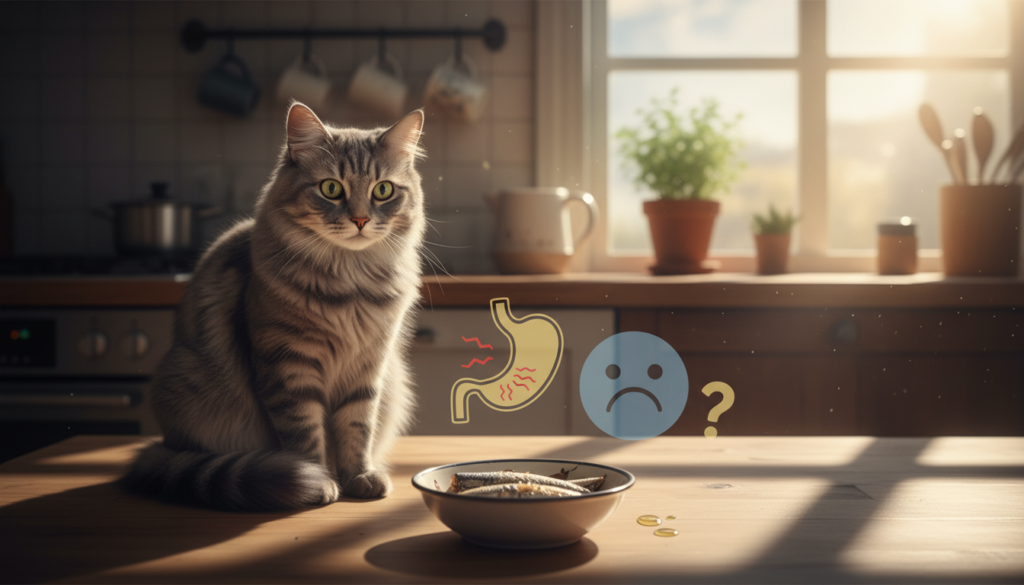
Oil-packed sardines have a lot of fat. This can upset your cat’s stomach. It may cause diarrhea, vomiting, weight gain, pancreatitis, and loss of appetite.
Choking Hazards and Bone Safety
Soft sardine bones are good for calcium but can be dangerous. Kittens, senior cats, and cats who gulp food without chewing are at risk. Always supervise your cat when they eat sardines to prevent choking.
Nutritional Imbalance and Allergic Reactions
Eating sardines too often can lead to nutritional imbalances. Cats may miss out on taurine, important for heart and eye health. Rarely, cats can have allergic reactions to sardines, causing vomiting, diarrhea, or skin problems.
| Health Concern | Affected Cats | Severity |
|---|---|---|
| Mercury accumulation | All cats with frequent feeding | Long-term risk |
| High sodium intake | Cats with kidney or heart disease | Moderate to high |
| Digestive upset | Sensitive or overweight cats | Moderate |
| Choking hazard | Kittens and senior cats | Low to moderate |
| Pancreatitis risk | Cats fed excess oil-packed sardines | High |
Watch your cat closely when introducing sardines. Look for any bad reactions or changes in behavior. If your cat seems distressed, stop feeding sardines and call your vet. Knowing the risks helps you make safe choices for your cat’s health.
Choosing the Best Sardines for Your Cat
Choosing the right sardines for your cat is important. Look at labels and ingredient lists carefully. This ensures your cat gets healthy treats without bad additives or too much salt.
Reading Labels and Ingredients
Start by checking the packaging liquid. Water-packed sardines are your best choice for your cat. Look for “packed in water” or “no salt added” labels. Avoid oil or brine-packed sardines because they have too much fat and sodium.
Check the ingredients list. The best product has only sardines and water. Be careful of these dangerous additives:
- Garlic powder
- Onion powder
- Natural flavors
- Citric acid in large amounts
- Spices or seasonings
Look at the sodium content on the label. Anything over 100mg per serving is too high. Wild-caught sardines are better than farmed ones because they have lower contaminants.
Decide if you want boneless or bone-in sardines. Boneless ones are safer. Bone-in sardines give extra calcium but need careful feeding.
Portion Control Guidelines
Feeding the right amount of sardines is key. Give one teaspoon to one tablespoon per 10 pounds of body weight. A 10-pound cat gets no more than one tablespoon, while a 6-pound cat needs half a tablespoon.
Use measuring spoons for accurate portions. Never guess. Here are some tips:
- Divide one can into portions
- Freeze extras in ice cube trays
- Use a kitchen scale for exact measurements
- Serve sardines no more than once or twice a week
Treats should not be more than 10% of your cat’s daily calories. This keeps their diet balanced and prevents weight gain from too many treats.
| Sardine Type | Packaging | Price Range | Best For Cats |
|---|---|---|---|
| Oil-Packed | 3.75 oz can | $1.50–$3.00 | Not recommended |
| Water-Packed | 3.75 oz can | $1.20–$2.50 | Ideal choice |
| No Salt Added | 3.75 oz can | $1.50–$2.75 | Excellent option |
Alternative Fish Options for Cats
While sardines are great for cats, they can also enjoy other fish. Mixing up treats keeps meals exciting and nutritious. It’s important to know which fish are best for a balanced diet.
Many fish can be good additions to a cat’s diet with sardines. Look for fish low in mercury and high in omega-3s. Always choose plain, unseasoned fish for your pet.
Safe Fish Alternatives to Consider
Anchovies are great alternatives to sardines. They are small, low in mercury, and full of omega-3s. Make sure they are plain and in water without salt.
Mackerel is another good choice, with lots of omega-3s. Opt for smaller Atlantic mackerel to avoid mercury. It should be unsalted and unseasoned, like sardines.
Salmon is tasty and good for cats, with lots of omega-3s. Use canned salmon in water, but it’s more expensive than sardines. Cooked salmon is safer than raw to avoid parasites.
Tuna is tasty but should be used sparingly. It has more mercury than sardines and can make cats addicted. Use it much less than other fish.
Whitefish and cod are milder options. They are low in fat and safe for cats, but have less omega-3 than oily fish.
| Fish Type | Mercury Level | Omega-3 Content | Best Form | Frequency |
|---|---|---|---|---|
| Anchovies | Very Low | High | Canned in Water | 1-2 Times Weekly |
| Mackerel (Atlantic) | Low | Very High | Canned in Water | 1-2 Times Weekly |
| Salmon | Moderate | High | Cooked or Canned | Once Weekly |
| Tuna | High | High | Canned in Water | Once Monthly |
| Whitefish | Very Low | Moderate | Cooked or Canned | 1-2 Times Weekly |
When choosing fish for your cat, remember the same safety rules as with sardines. Fish should be a supplement, not a full meal. Avoid seasonings and salt. Stick to small portions, like a teaspoon or two.
Commercial cat foods with fish as a main ingredient are also a good choice. They offer balanced nutrition for your cat’s health.
Preparing Sardines as a Cat Treat
Preparing sardines for your cat is important. It’s about making sure they’re safe and healthy. Sardines are great for cats when prepared correctly.
Step-by-Step Preparation Tips
Choose sardines in water, without salt. Open the can and drain the liquid. This reduces sodium.
Put the sardines in a strainer and rinse them under cool water. This removes salt and packing liquid.
If they’re in oil, pat them dry with paper towels. Check for bones and remove any big or sharp ones. Small bones are okay and add calcium.
Flake the sardines into small pieces. For small cats, use pea-sized pieces. For bigger cats, slightly larger is fine.
Serve them at room temperature. Cold food is less appealing and harder to digest. Store leftovers in the fridge for two days. Freeze them in ice cube trays for up to three months.

Serving Suggestions
You can give sardines as a treat or mix them into their food. This is great for picky eaters. Use small pieces for training or hide them for fun games.
Try frozen sardine pieces as a cool treat in summer. The water from rinsed sardines is good as a food topper. Start with a small amount to check for any issues before giving more.
| Preparation Method | Benefits | Best For |
|---|---|---|
| Mixed into regular food | Enhances palatability, improves feline nutrition | Picky eaters |
| Standalone flaked pieces | Simple serving, easy portion control | Regular treats |
| Frozen sardine pieces | Cooling effect, slows eating, provides enrichment | Hot weather |
| Sardine water topper | Encourages hydration, adds flavor | Low-drinking cats |
| Training rewards | High-value motivator for learning | Behavior training |
Supervise your cat during their first experiences with sardines. Make sure they chew properly and don’t try to swallow large pieces whole. This careful introduction protects your cat’s health and ensures they enjoy sardines safely.
Conclusion
Cats and sardines can be a good mix in your pet’s diet, but only if done right. You’ve learned that sardines are packed with protein, omega-3s, and vitamins. But, they can be risky if not prepared and served correctly.
The trick is to see sardines as an occasional snack, not a regular meal. As a pet owner, choosing the right sardines and serving them wisely is key. Opt for plain sardines in water without salt. Rinse them well, remove bones, and serve small portions based on your cat’s size.
Only give sardine treats once a week, as a supplement to their regular diet. Never use them to replace their complete and balanced cat food. Cats with kidney disease, heart issues, or urinary problems need extra care before adding sardines to their meals.
Senior cats and kittens also need special attention. Watch how your cat reacts to sardines and adjust portions based on their health and activity level. Frequent feeding can lead to mercury buildup, too much sodium, and high fat content.
Now, you know how to safely add sardines to your cat’s diet. See them as a fun treat, not a health miracle. Your cat’s long-term health is more important than a tasty snack. With careful preparation, moderation, and vet advice, you can give sardines as an occasional treat that’s safe and enjoyable for your cat.
FAQ
Can cats have sardines at all?
Yes, cats can have sardines, but with important conditions. Sardines are safe for most healthy adult cats when properly prepared. They should be served in moderation and sourced correctly.
The key is choosing plain sardines packed in water with no added salt. Rinse them thoroughly and remove any large bones. Offer them as an occasional treat no more than once weekly.
Cats with pre-existing health conditions like kidney disease or heart problems should only have sardines with veterinary approval. Always remember that sardines should complement your cat’s regular, nutritionally complete diet—never replace it.
What makes sardines appealing to cats?
Sardines appeal to your cat for several compelling reasons. The strong, pungent fishy aroma triggers their natural hunting instincts. It stimulates their appetite in ways that many other foods cannot.
The rich, concentrated flavor of sardines is highly palatable to felines. This makes them excellent for encouraging reluctant eaters or disguising medication. However, you must be careful about portion control and frequency.
What specific nutritional benefits do sardines provide for cats?
Sardines pack an impressive nutritional profile for your cat. They’re rich in high-quality, easily digestible animal protein. This supports muscle maintenance, tissue repair, and daily energy requirements.
Sardines contain abundant omega-3 fatty acids (EPA and DHA). These promote a shiny, healthy coat and reduce skin inflammation. They also support joint mobility and may support cognitive function.
They provide vitamin D for calcium absorption and bone health. Vitamin B12 supports nervous system function and red blood cell production. Minerals like selenium, calcium, and phosphorus are also present.
However, sardines should be viewed as a supplemental treat rather than a primary nutrition source. They lack sufficient taurine and other essential nutrients cats need daily.
Is there a difference between fresh sardines and canned sardines for cats?
Yes, there are significant differences between fresh and canned sardines for your cat. Fresh sardines are ideal because they contain no additives or excess sodium. However, they must be properly cooked to eliminate parasites and bacteria before offering to your cat.
Canned sardines offer convenience but may contain more sodium and oils than are appropriate for cats. If you choose canned sardines, look for those packed in water with no added salt. Avoid varieties packed in brine, tomato sauce, or heavy oils, as these can pose serious health risks.
How should I properly prepare sardines before giving them to my cat?
Proper preparation is essential for your cat’s safety. Start by selecting sardines packed in water with no added salt. Open the can and drain all packing liquid, then place the sardines in a small strainer and rinse them thoroughly under cool running water for 15-30 seconds.
Carefully inspect each sardine for bones—remove any large or sharp bones with your fingers or tweezers. Flake the sardines into small, bite-sized pieces appropriate for your cat’s size. Serve sardines at room temperature rather than cold.
If you don’t use the entire can, store leftovers in an airtight container in the refrigerator for no more than two days. Or freeze individual portions in ice cube trays for up to three months.
How often can my cat eat sardines?
Moderation is absolutely essential—your cat should have sardines no more than once per week. For most healthy adult cats, one small sardine (or equivalent portion) provides an appropriate occasional treat.
This frequency limitation exists for several important reasons. Even though sardines contain valuable nutrients, feeding them more often increases the risk of excessive fat intake, sodium exposure, and nutritional imbalance. Daily sardine feeding is never appropriate, regardless of your cat’s size or health status.
Remember that treats including sardines should not exceed 10% of your cat’s daily caloric intake to maintain proper nutritional balance.
What portion size of sardines is appropriate for my cat?
Portion sizes should be based on your cat’s weight. The general guideline is one teaspoon to one tablespoon per 10 pounds of body weight. For example, a 10-pound cat should receive no more than one tablespoon of sardines per serving, while a smaller 6-pound cat should receive only about half a tablespoon.
Measure portions accurately using measuring spoons rather than eyeballing amounts. Consider dividing a can of sardines into appropriate portions and freezing extras in ice cube trays for future use, or use kitchen scales for precise measurements.
Are sardines packed in water the best choice for cats?
Yes, sardines packed in water are the gold standard for feline consumption. Water-packed varieties contain minimal additives, lower fat content than oil-packed options, and typically less sodium (especially if labeled “no salt added”).
Even with water-packed sardines, you should always rinse them before serving to remove any residual sodium from the packing liquid. When reading labels, look for truly plain, water-packed options without hidden seasonings or preservatives.
Why shouldn’t I give my cat sardines packed in olive oil?
While olive oil itself isn’t toxic to cats, sardines packed in olive oil are not ideal for your feline companion. Oil-packed sardines are significantly higher in fat and calories, which can lead to digestive upset, diarrhea, or weight gain.
Cats don’t benefit from added dietary fats the way humans do, and their small bodies process excess oils inefficiently. If olive oil-packed sardines are your only available option, you must drain them thoroughly and blot with paper towels to remove as much oil as possible before offering only a very small amount to your cat. However, water-packed sardines are always the preferable choice.
Are sardines in brine safe for my cat?
No, sardines in brine are absolutely unsafe for your cat and should never be offered. Brine contains dangerously high sodium levels that can strain your cat’s kidneys and cardiovascular system, creating especially serious problems for cats with existing health conditions or senior cats.
The salt content in brine-packed sardines is far too high for feline consumption, regardless of rinsing or preparation methods. Always avoid this variety completely and stick exclusively to sardines packed in water with no salt added.
Can I give my cat sardines in tomato sauce?
Absolutely not—sardines in tomato sauce are completely unsafe for your cat. Tomato-based sauces typically contain onions, garlic, sugar, herbs, and spices, with garlic and onion being particularly toxic to cats as they can damage red blood cells even in small amounts.
No amount of rinsing or preparation can make these varieties safe for your feline companion. Never offer sardines in tomato sauce or any other sauce to your cat, as the potential health consequences far outweigh any benefits. Stick exclusively to plain sardines packed in water.
What is the mercury concern with sardines for cats?
While sardines are considered a low-mercury fish compared to larger species like tuna, swordfish, or king mackerel, they are not completely mercury-free. Repeated exposure to even small amounts of mercury can contribute to heavy metal accumulation in your cat’s body over time.
This mercury concern underscores the importance of the once-weekly maximum frequency recommendation. Limiting sardine consumption to occasional treats helps minimize your cat’s overall mercury exposure from dietary sources.
What are the risks of excessive sodium from sardines?
Excessive sodium intake from sardines poses particular risks for certain cats. High sodium content can strain your cat’s kidneys and contribute to elevated blood pressure, creating especially serious concerns for cats with pre-existing kidney disease, heart conditions, or urinary tract problems.
This is why proper preparation—including thorough rinsing—is essential, and why you must never offer sardines packed in brine or other high-sodium preparations. Senior cats and cats with any cardiovascular issues require extra caution, and veterinary consultation is recommended before introducing sardines to their diet.
Can sardines cause pancreatitis in cats?
Yes, the high fat content in sardines—especially oil-packed varieties—can potentially contribute to pancreatitis, a serious and potentially life-threatening inflammation of the pancreas. While pancreatitis from occasional, properly prepared sardine treats is unlikely in healthy cats, overfeeding sardines or consistently offering oil-packed varieties can lead to excessive fat intake that strains your cat’s digestive system.
This risk is another compelling reason to limit sardines to small portions offered no more than once weekly, and to always choose water-packed options over oil-packed alternatives. Indoor or less active cats are at higher risk, as are cats with any history of digestive issues.
Are there choking hazards from sardine bones?
While soft sardine bones are generally safe and provide valuable calcium, they can still pose choking hazards, particularly for kittens, senior cats with dental issues, or cats who tend to gulp their food without chewing. You should always carefully inspect sardines and remove any large or sharp bones before serving.
Consider boneless sardine varieties if you have concerns about your cat’s chewing habits or eating speed. Supervise your cat during their first few experiences with sardines to ensure they chew properly and don’t attempt to swallow large pieces whole.
How can sardines cause nutritional imbalance?
If sardines are fed too frequently, they can displace essential nutrients found in your cat’s complete commercial food and contribute to nutritional imbalance. While sardines provide excellent protein and omega-3s, they lack sufficient levels of certain essential nutrients like taurine that cats need daily.
Additionally, excessive sardine feeding can lead to a skewed balance of other nutrients, particularly if sardines are offered multiple times weekly or in large portions. This is why sardines should always remain a small supplemental treat—no more than 10% of your cat’s daily caloric intake—rather than becoming a regular meal component or dietary staple.
What allergic reactions might my cat have to sardines?
While allergic reactions to sardines are rare, they can occur in sensitive cats. When introducing sardines for the first time, start with just a tiny amount (half a teaspoon) and monitor your cat for 24 hours for any signs of adverse reactions.
Watch for vomiting, diarrhea, skin irritation, itching, or behavioral changes. If your cat exhibits any of these symptoms, discontinue sardines immediately and consult your veterinarian. Most cats tolerate properly prepared sardines well, but individual sensitivities vary, so careful observation during initial introduction is essential for your cat’s safety.
How do I read sardine labels to find safe options for my cat?
Learning to read sardine labels is essential for your cat’s safety. Look for specific positive indicators: “packed in water,” “no salt added,” and “wild-caught” are green flags. Red flags include “in oil,” “in brine,” “seasoned,” or “flavored.” Examine the ingredients list carefully—the ideal product contains only two ingredients: sardines and water.
Avoid any sardines with garlic powder, onion powder, natural flavors (which can contain problematic ingredients), excessive citric acid, or any spices or seasonings. Check the sodium content on nutrition labels; anything above 100mg per serving is too high for cats. Choose boneless varieties to eliminate choking risks, or bone-in options if you’re comfortable carefully removing bones.
What are some alternative fish options I can offer my cat besides sardines?
Several fish alternatives can safely supplement your cat’s diet. Anchovies are even smaller than sardines, low in mercury, and rich in omega-3 fatty acids—offer them plain, unsalted, and preferably packed in water. Atlantic mackerel provides excellent omega-3 content, though you should choose smaller species over larger ones like king mackerel due to mercury concerns.
Salmon is highly palatable and rich in omega-3s, but tends to be higher in mercury than sardines; offer only cooked (never raw) or canned varieties in water with no salt. Tuna requires even stricter limitations than sardines due to higher mercury content and potential addiction risk. Whitefish or cod are mild, low-fat options that are generally well-tolerated, though they offer fewer omega-3s than oily fish.
Some commercial cat foods include fish as a primary ingredient, providing fish benefits in a nutritionally balanced format. Regardless of which fish you choose, apply the same principles: moderation, proper preparation, no seasonings or additives, and always as a supplement to complete cat food.
Can I use sardine juice as a food topper for my cat?
Yes, sardine juice—the water from rinsed, water-packed sardines—can be used as a food topper or mixed with fresh water to encourage hydration in cats who don’t drink enough. This is an excellent way to add flavor appeal to regular food while providing some nutritional benefit.
Simply drain plain water-packed sardines and use the rinsing water as a supplement. However, ensure the sardines were packed in water with no salt added before using their liquid. This method is particularly useful for encouraging reluctant eaters or cats with insufficient water intake.
What are some creative ways to serve sardines to my cat?
You can serve sardines in several engaging ways. Offer them as a standalone treat, mixed into your cat’s regular food to enhance palatability (useful for picky eaters), or use small pieces to hide medication. Try frozen sardine pieces as a cooling treat during hot weather, which also slows eating and provides enrichment.
Hide small pieces of sardine for your cat to find, providing mental stimulation along with the treat. Use sardine portions as interactive training rewards. You can also serve sardine juice mixed with water as a food topper or hydration booster. Always supervise your cat during initial sardine experiences to ensure proper chewing and swallowing.
Should I introduce sardines gradually to my cat’s diet?
Yes, gradual introduction is essential when offering sardines for the first time. Start with just a tiny amount—half a teaspoon—and monitor your cat for 24 hours for any signs of digestive upset or allergic reaction before offering a full portion.
This gradual approach allows you to identify any sensitivities or adverse reactions before committing to regular sardine treats. Many cats tolerate sardines well, but individual responses vary, so careful observation during initial introduction protects your cat’s health and helps you make informed decisions about continued sardine inclusion.
Are there specific health conditions that make sardines unsafe for my cat?
Yes, certain health conditions require extra caution or veterinary consultation before introducing sardines. Cats with kidney disease should avoid sardines due to sodium and phosphorus content. Cats with heart conditions benefit from sodium restriction, making sardines problematic unless specifically approved by your veterinarian.
Cats with urinary tract issues may be sensitive to the mineral content in sardines. Senior cats with dental problems may struggle with bones and require boneless varieties. Kittens have developing digestive systems and may not tolerate sardines well. Cats with a history of pancreatitis should avoid sardines due to fat content. Always consult your veterinarian before introducing sardines if your cat has any pre-existing health conditions.
Can sardines help with my picky eater cat?
Yes, sardines can be highly effective for encouraging reluctant eaters due to their strong aroma and appealing taste. Mixing small amounts of flaked sardine into your cat’s regular food can make it more attractive and palatable.
However, be cautious about creating dependency—if your cat becomes accustomed to sardine-enhanced meals and then refuses plain food, you may inadvertently create a pickier eater. Use sardines strategically as an occasional enhancement rather than a daily addition, and gradually reduce the amount over time to help your cat accept regular food. If your cat refuses food regularly, consult your veterinarian
For more on feeding cats, check out the full guide
What Can Cats Eat? 15 Safe Foods Vets Approve
Was this information helpful?
goood information in this article
yes these information show me how i will made sardine for my cat

Response from Petnurtury
thank you for your honest