
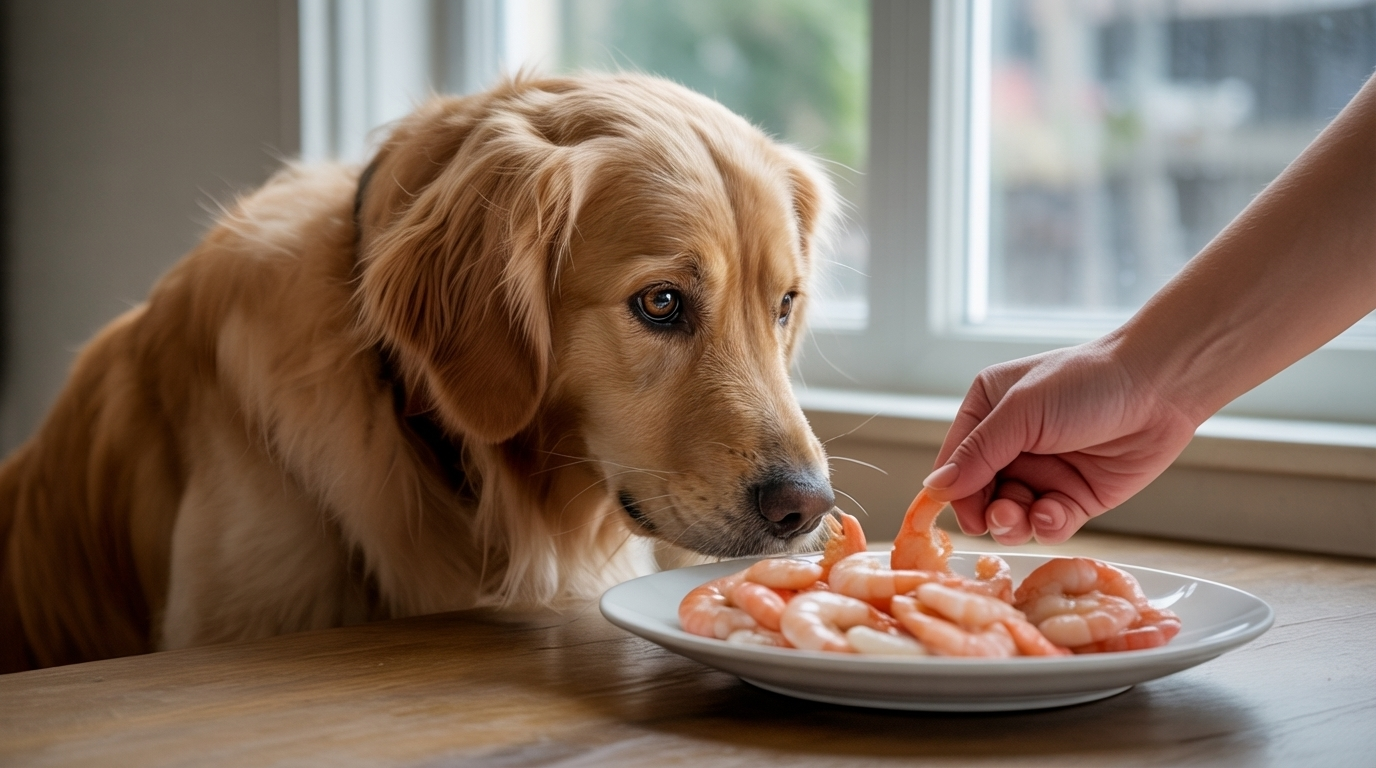
Is Shrimp Bad for Dogs? What Pet Owners Need to Know
You’re enjoying a delicious shrimp dinner, and your dog is giving you that irresistible “Can I have some?” look. Before you slide a piece across the table, you’re probably wondering: Is shrimp bad for dogs? It’s a question more pet owners ask than you might think, and the answer is more nuanced than a simple yes or no.
The truth is, shrimp isn’t inherently toxic to dogs, but whether your dog should eat it depends on several important factors. Let’s explore what makes shrimp potentially problematic, when it’s actually safe, and how to navigate this seafood question with confidence.
Table of Contents
Understanding If Shrimp Is Bad for Dogs
Is shrimp bad for dogs? Not necessarily—but certain forms of shrimp absolutely are. The key distinction lies in preparation, portion size, and your individual dog’s health status. Most healthy dogs can tolerate small amounts of plain, properly prepared shrimp without issue. However, there are real risks associated with certain preparations that every dog owner should understand.
Unlike foods that are universally toxic to dogs (like chocolate or grapes), shrimp exists in a gray area. It’s not poison, but it can be harmful depending on how it’s presented to your dog. Understanding these nuances helps you make informed decisions about what your pet eats.
The Real Dangers: Why Shrimp Can Be Problematic
Raw Shrimp: A Bacterial Breeding Ground
One of the most significant concerns is raw shrimp. Raw seafood carries bacterial risks that can make your dog seriously ill. Vibrio bacteria, commonly found in raw shellfish, can cause vibriosis—a severe foodborne illness characterized by vomiting, diarrhea, and in severe cases, sepsis. While rare in domestic dogs, it’s a genuine risk you don’t want to take.
Raw shrimp can also harbor parasites, though this is less common in commercially sourced shrimp. The bottom line: never give your dog raw or undercooked shrimp under any circumstances.
Fried Shrimp: A Direct Path to Pancreatitis
When people ask, “Can dogs eat fried shrimp?” the answer is a resounding no. Fried shrimp is one of the worst seafood preparations for dogs. The high fat content from deep frying can trigger pancreatitis—inflammation of the pancreas—a painful and potentially life-threatening condition. Even a single serving of fried shrimp can cause acute pancreatitis, leading to vomiting, severe abdominal pain, loss of appetite, and lethargy.
Dogs with a history of pancreatitis, obesity, or metabolic disorders should never be exposed to fried foods of any kind. The grease and excess oil also contribute to unhealthy weight gain and digestive upset.
Seasoned Shrimp: Hidden Dangers
Store-bought seasoned shrimp or restaurant shrimp often contains garlic, onions, excessive salt, or spices—all problematic for dogs. Garlic and onions are toxic to dogs and can damage red blood cells, leading to hemolytic anemia. Even if the shrimp itself would be safe, seasoning makes it dangerous.
Shrimp Tails: A Choking and Blockage Risk
A question that comes up frequently is: “Can dogs eat shrimp tails?” The answer is no, and here’s why. The chitinous shell and tail are extremely difficult for dogs to digest. Beyond poor digestibility, shrimp tails pose a significant choking hazard, especially for enthusiastic eaters or smaller dogs. There’s also the risk of intestinal obstruction if pieces aren’t properly chewed or digested, which can require emergency surgery.
Always remove shells and tails completely—there are no exceptions to this rule.
When Shrimp Might Be Okay: Safe Preparation Guidelines
So, can dogs have shrimp? Yes, but only when prepared correctly. If you want to share shrimp with your dog, follow these non-negotiable guidelines.
Proper Cleaning and Deveining
Start by thoroughly deveining the shrimp. The dark vein running along the back is the shrimp’s digestive tract and contains bacteria and waste material. Remove it completely before cooking. Rinse the shrimp under clean water and pat it dry.
Cooking Methods That Work
Cook shrimp using plain methods without added fats:
- Boiling: Simmer shrimp in plain water until they turn opaque and reach 145°F internally (usually 3–5 minutes)
- Grilling: Cook on a clean grate without oil or seasoning
The goal is fully cooked, plain shrimp—nothing more, nothing less.
The Critical Rule: Plain Only
This cannot be overstated: shrimp for dogs must be completely plain. No butter, no garlic, no seasoning, no sauces. Many pet owners make the mistake of offering their dog a piece of their restaurant shrimp, not realizing it’s loaded with sodium, garlic, or oil. These additions not only add unnecessary calories but can be actively harmful.
Portion Size Matters
Even properly prepared shrimp should be given in tiny amounts. Treats, including shrimp, should represent no more than 10% of your dog’s daily caloric intake. A small piece occasionally—not a regular meal component—is the appropriate approach.
Can Dogs Eat Shrimp Safely? Special Considerations
Before offering shrimp to your dog, consider their individual health status:
- Dogs with pancreatitis history: Shrimp is off-limits. The protein and any fat content can trigger flare-ups.
- Overweight or obese dogs: Skip shrimp entirely; there’s no nutritional benefit worth the caloric contribution.
- Dogs with shellfish sensitivities: While rare, shellfish allergies do occur in dogs. Watch for vomiting, diarrhea, itching, or skin infections after consumption.
- Senior dogs with digestive issues: Their systems may not tolerate shrimp well. Check with your vet first.
The Nutritional Case for Shrimp (When It’s Appropriate)
If your dog is healthy and you prepare shrimp correctly, there are legitimate benefits. Shrimp provides omega-3 fatty acids for heart and skin health, vitamin B12 for nervous system function, selenium for immune support, and iodine for thyroid regulation. However, these nutrients are readily available from your dog’s primary diet—shrimp is never necessary, only an occasional bonus.
What About Pre-Cooked or Store-Bought Shrimp?
Many people ask, “Can dogs eat shrimp from the grocery store?” Pre-cooked shrimp can work if you’re extremely careful. Remove every trace of shell and tail, rinse thoroughly to reduce sodium, and check the ingredient list for garlic, onions, or other seasonings. These options are less ideal than freshly boiled plain shrimp because manufacturers often add preservatives or salt for shelf stability.
Allergic Reactions and Emergency Signs
While shellfish allergies in dogs are uncommon, they’re possible. Monitor your dog for 24 hours after their first shrimp exposure. Signs of an allergic reaction include vomiting, diarrhea, itching, skin rashes, or ear infections. These typically appear within hours to a day.
Seek immediate veterinary attention if you notice facial swelling, hives, difficulty breathing, or collapse—these suggest anaphylaxis, a medical emergency.
The Bottom Line: Is Shrimp Bad for Dogs?
Is shrimp bad for dogs? It’s not universally bad, but it carries more risks than benefits for most pet owners. Plain, properly cooked, shell-free shrimp in tiny portions is safe for healthy dogs without a history of pancreatitis or food sensitivities. However, fried shrimp, raw shrimp, seasoned shrimp, and shrimp tails should never be given to dogs under any circumstance.
Before introducing shrimp to your dog, consult your veterinarian. They can assess your dog’s individual health status and advise whether shrimp is appropriate. For most dogs, there are safer, more practical treats available.
Your dog will thrive on a complete, balanced diet without shrimp. If you do choose to offer it, do so sparingly, always plain, always cooked, and always with shells removed. When in doubt, skip it—your dog’s health is worth the caution.