7 Best Dog Foods for Picky Eaters Your Dog Will Love
Your dog sits in front of their bowl and walks away. You feel frustrated and worried. Many dogs love to eat more than anything else, but they can be picky.
This struggle is real and stressful. You’re not alone in this challenge. Picky eaters can stress out any pet owner.
The good news is that solutions exist. Understanding what drives your dog’s food choices helps you find meals they’ll actually eat.
Dogs with picky eating habits may benefit from food that combines aroma, texture, and nutritional density tailored to their life stage. Your dog’s sense of smell is powerful. A meal with strong, appealing scents can make all the difference.
Texture matters too. Some dogs prefer soft food while others like crunch. Wet dog foods and fresh diets often appeal to picky eaters because of their stronger scent and appealing flavor and texture.
These options tend to work better than dry kibble alone. The moisture content and fresh ingredients create an eating experience your dog finds irresistible.
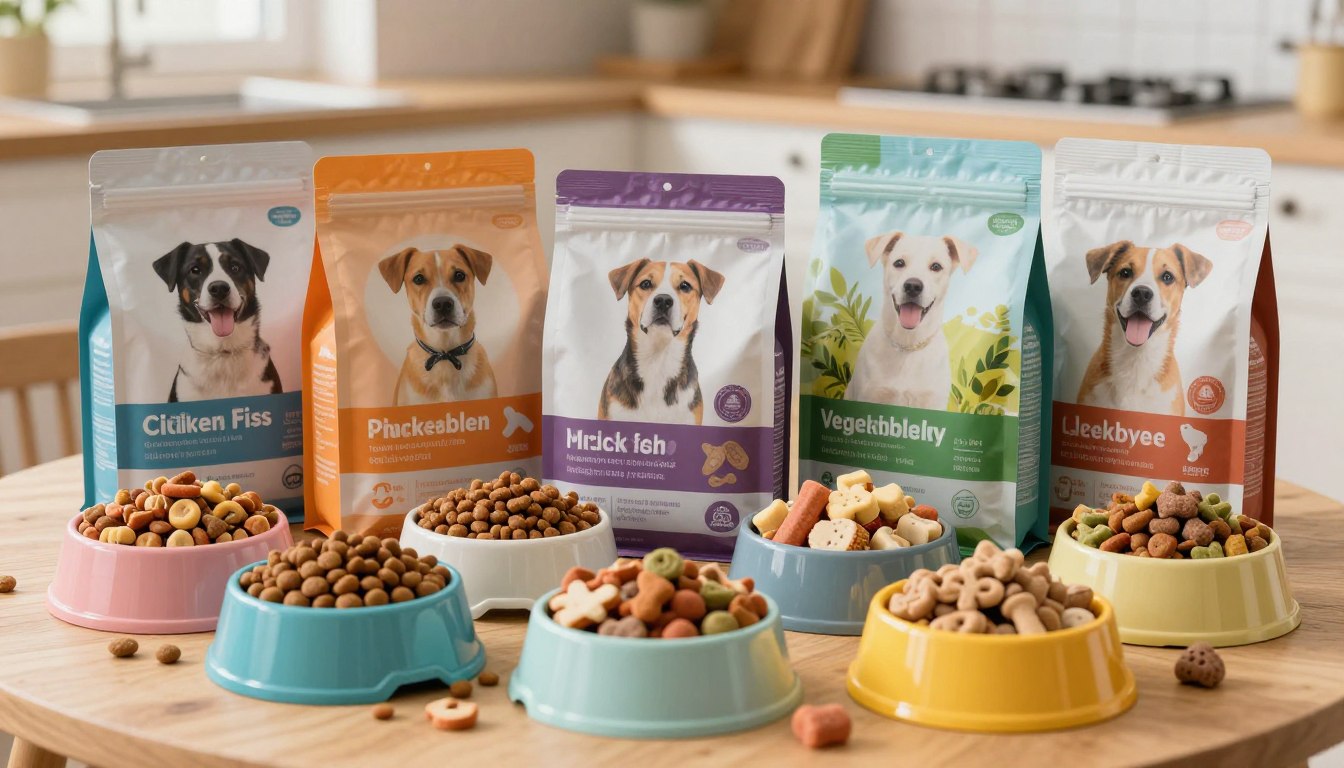
This guide walks you through seven food options designed for selective eaters. You’ll learn what makes each one special. You’ll discover why smell and texture matter so much.
You’ll get practical tips to help your picky pup finish their meals. Your dog deserves nutrition they’ll actually eat. Let’s find the perfect food for them.
Understanding Why Your Dog Is a Picky Eater
Picky eating in dogs can be a sign of health or environment issues. If your dog doesn’t want to eat, there could be many reasons. Knowing the cause helps you find a solution.
Many things can make your dog picky about food. Health problems, stress, and even the food itself can play a part. Learning about these can help your dog enjoy meals again.
Medical Conditions That Affect Appetite
Health issues are a big reason for picky eating. Dental disease and gastrointestinal problems can make eating painful. Kidney or liver disease, cancer, and other serious conditions also affect appetite.
If your dog’s appetite changes suddenly, see a vet. Medical conditions can send signals that something is wrong.
- Dental disease and tooth pain
- Gastrointestinal issues affecting digestion
- Chronic pain from injuries or arthritis
- Infections spreading through the body
- Kidney or liver disease
- Cancer and other serious illnesses
Behavioral Causes of Selective Eating
Some dogs learn to wait for better food. This behavior can start quickly, especially in smart dogs. They might think waiting is a good strategy.
Food preferences also matter. Your dog might not like the taste, smell, or texture. Some breeds, like toy breeds and small dogs, are pickier than others. Age and life stage can also affect appetite.
Too many treats or table scraps can make regular meals less appealing. This habit can disrupt your dog’s eating schedule.
Environmental and Stress-Related Factors
The environment where your dog eats is important. Stress and anxiety can make them less hungry. Harassment at mealtime or stress from other pets can be a problem.
Seasonal changes can also affect appetite. Changes in temperature and daylight can influence how hungry your dog is. Moving or changes in the family can cause stress.
A calm, quiet eating space helps your dog feel safe. Consistent timing and location can reduce anxiety around meals.
What Makes a Dog Food Appealing to Finicky Eaters
Figuring out what makes your picky dog want to eat is crucial. Many factors influence their interest in food. Your dog uses sensory cues more than you think. The science behind why some foods are irresistible and others ignored is fascinating.
Smell is a big factor in their hunger. Dogs have a better sense of smell than humans. Strong, tasty smells attract them. The smell of food hits their nose first, making them hungry.
The taste and texture of food also matter. Some dogs like soft, chicken-based canned food. Others prefer crunchy kibble. What your dog likes is as important as the food’s nutritional value.
When looking for dog food, choose calorie-dense options that are also nutritious. The best food for picky eaters tastes good and meets their needs.
Consider these key appeal factors:
- High-quality protein sources that smell rich and appealing
- Varied textures that keep eating interesting
- Fresh ingredients instead of by-products
- Proper fat content for flavor enhancement
- Nutrient density that satisfies hunger quickly
Your finicky eater deserves food that excites their senses while meeting their nutritional needs.
How Smell and Texture Influence Your Dog’s Food Preferences
Your dog’s food choices are shaped by smell and texture. Dogs have a strong sense of smell, making some foods more appealing than others. Knowing what they like helps you pick meals they’ll enjoy.
Dogs smell the world in ways we can’t fully grasp. Their sense of smell leads them to food they like. Choosing the right food for your dog taps into this sense, helping them eat better.
The Role of Aroma in Stimulating Appetite
Aroma is the main trigger for your dog’s appetite. When they smell food, it gets them ready to eat. Foods with strong meat smells are most appealing to picky eaters.
Wet dog foods have better smells and tastes than dry kibbles. This is because they’re cooked at lower temperatures. This helps keep their natural flavors and smells.
Warming wet food to body temperature makes it even more appealing. This step releases more scent, making meals more enticing.
- Wet foods maintain stronger natural aromas than dry kibble
- Lower cooking temperatures preserve aroma-carrying compounds
- Warming food releases more scent molecules
- Fresh meat aromas trigger stronger eating responses
Why Texture Matters for Picky Dogs
Dogs have different texture preferences. Some like crunchy kibble, while others prefer soft foods. Their texture preference affects whether they’ll eat their meals.
Some dogs are sensitive to food texture or temperature. Dogs with dental issues or sensitive mouths often prefer softer foods. Mixing wet and dry food can appeal to different preferences.
Temperature also matters. Your dog might prefer food at room temperature over cold food. Notice if they like crunchy, soft, smooth, chunky, or warm food. This helps you choose the best for them.
| Texture Type | Best For | Advantages |
|---|---|---|
| Crunchy Kibble | Dogs who enjoy mechanical stimulation | Helps clean teeth, provides satisfying crunch |
| Soft Wet Food | Senior dogs and those with dental problems | Easy to chew, retains natural flavor and moisture |
| Mixed Texture Blend | Picky eaters seeking variety | Combines benefits of both kibble and wet food |
| Gently-Cooked Options | Dogs sensitive to processed ingredients | Preserves nutrients and natural taste |
Understanding your dog’s preferences is crucial for finding food they’ll eat regularly. By focusing on these factors, you encourage them to eat with enthusiasm.
Best Dry Dog Food for Picky Eaters
Finding the right dry dog food for your picky eater can be tough. Many pet parents face challenges when their dogs don’t want to eat. But, premium dry formulas can win over even the most finicky dogs with quality ingredients and proper feeding.
Orijen Original is a top pick for picky eaters. It gets most of its protein from fresh chicken, turkey, flounder, and mackerel. The recipe has 43% protein, 20% fat, and 28% carbs. Champion Petfoods, the maker of Orijen, believes in a meat-based diet that’s natural for dogs.
What makes dry food appealing to picky eaters is the quality of ingredients. Look for formulas with named meat sources instead of generic by-products. High-protein recipes are better for picky eaters and those who worry about their dog’s nutrition.
Dry foods like Eukanuba Premium Performance 30.20 are great for reluctant eaters. When picking kibble, consider these factors:
- Kibble size that fits your dog’s mouth and chewing style
- Named meat as the first ingredient
- Minimal fillers and low-quality grains
- Proper storage to keep freshness and aroma
- Consistent feeding times and routines
Switching to new dry food needs patience. Start by mixing the new food with your dog’s current meal over 7-10 days. This helps prevent upset stomachs. Many picky eaters prefer premium kibble served at room temperature and with confidence.
Keep your dry dog food in airtight containers, away from heat and moisture. Even the best food loses appeal when stale. Your picky eater will notice the difference between fresh and stale kibble, so proper storage is key.
Best Wet Dog Food for Picky Eaters
Wet dog foods have natural smells and tastes that dry kibbles can’t match. They look and taste like real food. This makes them more appealing to picky eaters.
Wet foods are cooked at lower temperatures. This helps keep vitamins and nutrients intact. It also means they taste better.
Dry kibble has only 10% water, but wet foods have about 75%. This makes them more like the food you eat at home. It also makes them more appealing to picky eaters.
Why Moisture Content Increases Palatability
Your dog’s ancestors ate prey with lots of water. Wet dog foods are closer to this natural diet. They are soft, moist, and easy to chew.
More moisture means more flavor. Your dog smells and tastes these flavors more intensely. This makes the food seem more rewarding and delicious.
Top Wet Food Formulas for Selective Eaters
Several brands are great for finicky dogs:
- JustFoodForDogs Pantry Fresh Beef and Russet Potato is a vet-recommended, fresh, human-grade food. It uses simple ingredients your dog recognizes.
- Canidae Chicken and Rice Formula is an affordable, super-popular, tasty, fully-balanced grain-inclusive wet dog food. It’s great for both picky puppies and adults.
- Merrick Lil’ Plates Teeny Texas Steak Tips is a fully-balanced wet food. It has above-average levels of Omega-3 fatty acids. It also has glucosamine and chondroitin for healthy skin and joints.
Each formula is complete nutrition without artificial additives. Your picky pup deserves food that tastes good and is good for them.
Best Fresh and Gently-Cooked Options for Choosy Canines
Fresh and gently-cooked dog foods are great for picky eaters. They’re like home-cooked meals but still balanced. Your dog gets real ingredients without losing nutrients or flavor.
Fresh food brands offer a new way to feed your picky pup. The Farmer’s Dog is made by a vet nutritionist. It uses quality ingredients that dogs love, unlike regular kibble.
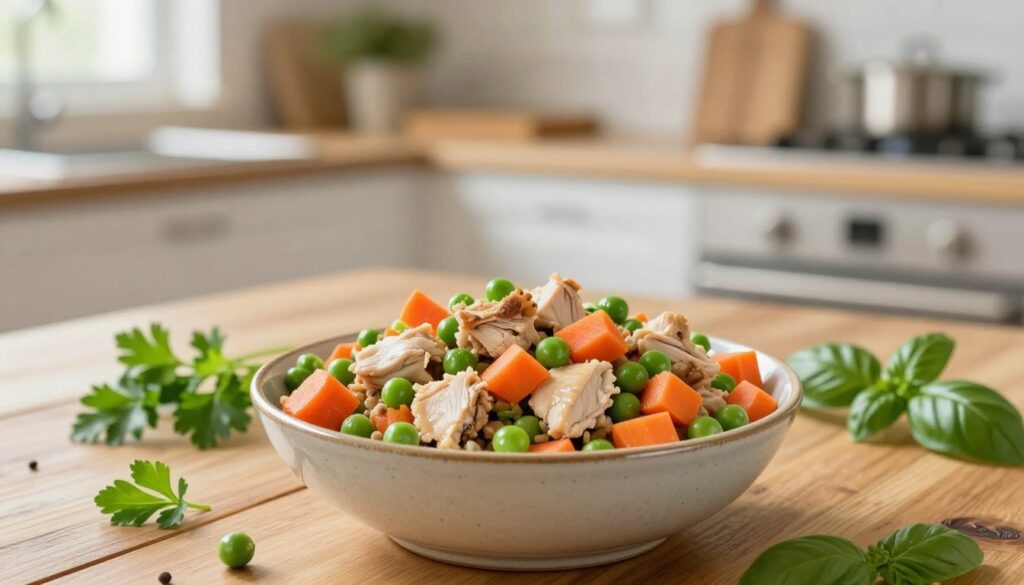
The Beef Recipe from The Farmer’s Dog has lots of fresh beef. It has 39% protein, 29% fat, and 24% carbs. It’s tested on real dogs for six years, unlike other brands.
Ollie is another great choice. It’s made for your dog’s specific needs, like age and activity level. It’s perfect for puppies who need a balanced diet to grow.
Nulo Gently-Cooked Beef & Sweet Potato is also enticing. Its cooking method keeps nutrients safe. This makes it appealing to picky dogs.
- Fresh ingredients appeal to selective taste buds
- Gentle cooking preserves nutritional value
- Real meat proteins attract picky dogs
- Complete nutrition without artificial additives
Your picky eater deserves food that tastes and smells good. Fresh and gently-cooked options ensure they eat real, nutritious meals.
Premium Dog Food Brands That Picky Dogs Actually Enjoy
Upgrading to premium dog food can really help if your dog won’t eat. These brands use high-quality ingredients and proven nutrition. They appeal to even the pickiest eaters.
Many premium options use named meat sources and are made with human-grade standards. They also have minimal processing to keep natural flavors. Your picky dog might just need food that matches their natural cravings.
Investing in better dog food often solves picky eating problems. Premium brands cost more, but your dog eats less. This can make the food more affordable and eliminate the need for toppers and mix-ins.
High-Quality Ingredients That Make a Difference
Quality ingredients are key for dog foods that picky eaters will eat. Champion Petfoods, maker of Orijen, focuses on a meat-based diet. This diet reflects what dogs eat in nature and appeals to selective dogs.
When choosing premium options, look for these features:
- Named meat sources like chicken, beef, or fish instead of generic meat meal
- Human-grade designation meaning ingredients meet human food safety standards
- No artificial colors, flavors, or preservatives that reduce appeal
- Appropriate protein and fat ratios that create satisfying taste profiles
- Third-party testing or feeding trials that verify dogs eat and thrive
Dog Food Advisor has been impartially reviewing dog food since 2008. They are the most trusted dog food review site in the United States with a 4.9-star TrustPilot rating. They focus on ingredients, nutrient profiles, and recipes.
JustFoodForDogs was founded in 2010 by entrepreneur Shawn Buckley. They offer vet-recommended, fresh, human-grade food. The Farmer’s Dog was tested for nutritional adequacy using live feeding trials. Raised Right is one of the best fresh, human-grade dog foods on the market for picky eaters.
Premium brands eliminate guesswork about what your dog needs. Your picky eater gets complete nutrition in every bite. This simplifies feeding and supports their long-term health.
Dog Food Toppers and Mix-Ins to Entice Your Picky Pup
If your picky eater refuses meals, dog food toppers can boost flavor and encourage your dog’s interest in meals when added to their normal dog food. These simple additions work by making your dog’s regular kibble more appealing through enhanced taste and aroma. The right topper can turn mealtime from a battle into something your pup actually wants to eat.
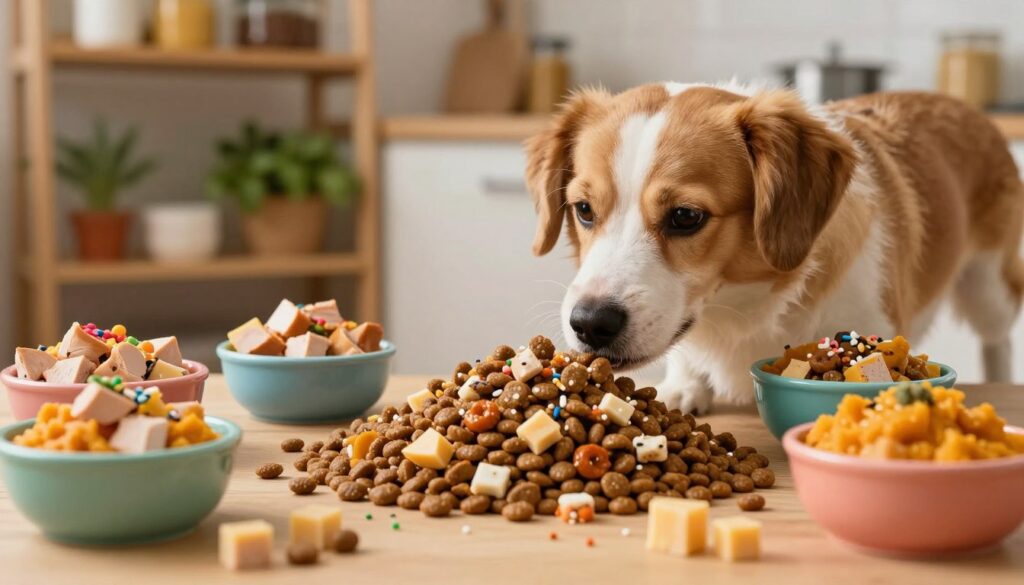
Food toppers come in many forms, each offering unique benefits for finicky canines. Understanding your options helps you pick the best solution for your dog’s needs and preferences.
- Freeze-dried meat toppers that rehydrate when mixed with food for intense flavor
- Bone broth toppers that add moisture and savory taste
- Dehydrated meat or organ pieces for textural variety and concentrated nutrition
- Wet food layered over dry kibble to combine different textures
- Specialty formulated topper products designed specifically for picky eaters
The Pets Table Air Dried Beef and Berries works excellently as a food topper or main meal. This product derives the bulk of its protein from beef, which is naturally rich in all 10 essential amino acids. The single animal protein appeals to picky eaters. The meat is cooked at lower temperatures to preserve the healthy proteins, vitamins, and antioxidants. It contains no added fillers, preservatives, or artificial flavors.
Smart topper use requires moderation. Add dog food toppers sparingly—they can enhance the smell and flavor of a meal, making food more enticing. Toppers should be used sparingly to avoid imbalanced nutrition. Never let toppers exceed 10% of your dog’s daily calories. Start with small amounts to see how your dog responds. Mix toppers thoroughly with base food rather than letting your dog eat them separately.
Rotate different topper flavors to keep meals interesting. Once your dog eats consistently, gradually reduce topper amounts. This prevents your dog from refusing meals without the topper. Toppers work best as temporary bridges during food transitions or occasional enhancements, not permanent additions.
Practical Tips to Encourage Your Picky Eater to Finish Meals
Getting your picky dog to eat well is more than just picking the right food. How you feed them matters a lot. Using smart strategies at home can change your dog’s eating habits. Managing feeding times, food temperature, and daily routines can help.
Establishing Consistent Feeding Routines
Your dog needs a routine. Serve meals at the same times every day. This makes your dog more likely to eat when it’s time.
Remove uneaten food after 15–30 minutes. This teaches your dog that mealtimes have limits. A calm spot for their food bowl helps them focus.
Exercise your dog before meals to make them hungrier. A walk or play session can help. But don’t overdo it to avoid upsetting their digestion.
When to Warm Food for Better Appeal
Temperature is key for picky eaters. Warm wet food to body temperature for better smell and taste. You can warm the bowl in warm water or the microwave, but stir well to avoid burns.
Don’t give table scraps or too many treats. They can fill your dog up and lead to bad habits. Treats between meals can make them less hungry for dinner.
Switching to new dog food slowly helps avoid upset stomachs. Mix new food with old over 7–10 days. This helps your dog get used to new tastes without digestive problems.
- Create feeding structure with set times each day
- Remove bowls after 15–30 minutes
- Warm wet food to body temperature for better appeal
- Exercise your dog before meals to build hunger
- Cut back on treats and table scraps
- Transition foods slowly over a week to ten days
- Keep the feeding area quiet and stress-free
If your dog is still picky after trying these tips, see your vet. They can check for health issues that might be affecting your dog’s appetite. Your vet can help find the cause and suggest what to do next.
When to Consult Your Veterinarian About Picky Eating Habits
If your dog is picky, talk to your vet. Picky eating can be a sign of a bigger issue. Knowing when to see a vet is key to your dog’s health.
Your dog’s eating habits say a lot about their health. If they suddenly become picky, it’s time to call the vet. Don’t wait to see if the problem goes away on its own.
Red Flags That Need Veterinary Care
Some situations need vet care right away. These include:
- Your dog hasn’t eaten in more than 24-48 hours
- They’re showing signs of illness such as vomiting, diarrhea, or lethargy
- Your dog is a puppy or senior with eating changes
- Your dog has a chronic health condition affecting appetite
- Weight loss is happening even when offering various foods
- Signs of oral pain like dropping food or pawing at the mouth
- Excessive thirst or behavioral changes alongside picky eating
See a vet if your dog’s eating habits change suddenly or they’re skipping meals. It’s important to check for medical problems. Healthy adult dogs can go up to 48 hours without food, but puppies, seniors, or dogs with health conditions need prompt veterinary attention if they miss one meal.
Medical Conditions Behind Picky Eating
When is picky eating a medical issue? Consult your veterinarian if your dog’s picky eating is a new issue or is accompanied by weight loss, vomiting, diarrhea, lethargy, or other signs of illness. Many health problems hide behind selective eating behavior:
| Medical Condition | How It Affects Eating | Other Symptoms to Watch |
|---|---|---|
| Dental Disease | Pain during chewing makes eating uncomfortable | Bad breath, swollen gums, tooth loss |
| Gastrointestinal Disorders | Nausea and discomfort with eating | Vomiting, diarrhea, stomach pain |
| Kidney or Liver Disease | Changes taste perception and appetite | Increased thirst, weight loss, lethargy |
| Infections or Fever | Reduces interest in food | Elevated temperature, tiredness |
| Arthritis or Joint Pain | Discomfort makes eating difficult | Limping, stiffness, difficulty moving |
| Medication Side Effects | Can suppress appetite directly | Other behavioral changes |
Your vet will check for dental problems, abdominal pain, and other abnormalities. Blood work can assess organ function and rule out systemic disease. Diagnostic imaging might be recommended if structural problems are suspected. Your vet will review medications for appetite-suppressing side effects and can provide prescription appetite stimulants when appropriate.
Why Timing Matters for Different Dogs
Not all dogs handle skipped meals the same way. Adult dogs have more tolerance for brief fasting periods. Puppies, seniors, and those with chronic health conditions are much more vulnerable to complications from not eating. Missing even one meal could cause serious problems for these vulnerable populations.
Ruling out medical causes is the crucial first step. No amount of food experimentation will solve pickiness if an underlying health problem is the true cause. Delaying veterinary care while trying different foods could allow a treatable condition to worsen. Your veterinarian can recommend therapeutic diets if medical conditions are present and ensure that any new food is appropriate for your dog’s specific health status.
Conclusion
Every dog is unique. What works for one might not work for another. Your picky eater has special tastes and needs.
Finding the right food for them takes time. You need to figure out what they like best.
The best dog food for picky eaters is tasty and nutritious. It should appeal to their senses. Dogs with picky habits might like food with good aroma, texture, and nutrition for their age.
Quality is key, whether it’s dry kibble, wet food, or fresh options. Brands like Hill’s Science Diet, Royal Canin, and Purina Pro Plan have special formulas. Start by talking to your vet to check for health issues that might affect their appetite.
Then, look at how you feed your dog. We might unknowingly make them picky. Set up a regular feeding schedule and choose high-quality food that fits their age and size.
Be patient as they get used to new food. Small changes take time to work.
With the right food and feeding habits, even picky eaters can become excited about meals. Your dog will get all the nutrients they need and do well. It’s possible to improve their eating habits. Stay committed and patient, and watch your picky eater become a happy mealtime dog.
FAQ
Why is my dog suddenly refusing to eat their regular dog food?
Dogs may stop eating for many reasons. These include health issues, stress, or changes in their environment. Some dogs just get bored with the same food every day. They might also have a preference for certain tastes or smells.
First, check if your dog is healthy. A vet can help find out if there’s a medical problem. If not, you can try different foods to see what they like best.
What are the best dog food brands for picky dogs?
Some top brands for picky eaters include The Farmer’s Dog and Ollie. They offer foods that are both tasty and healthy. Open Farm, Wellness CORE, and Taste of the Wild are also great choices.
These brands use high-quality ingredients. They focus on different things like smell or texture. So, it’s important to find the right one for your dog.
Does wet dog food work better for picky eaters than dry kibble?
Yes, wet food is often better for picky dogs. It has more moisture and smells stronger. This makes it more appealing to them.
But, every dog is different. Some might like dry food or a mix of both. You might need to try a few things to find what works best.
How does smell influence my picky dog’s eating habits?
Smell is very important for dogs. They can smell things much better than humans. A food’s smell can make them want to eat it or not.
Good dog food smells better because it’s made with better ingredients. Warming up their food a bit can make it even more appealing. This is why many dogs prefer fresh, gently-cooked food.
What texture should I look for in dog food for my selective eater?
Texture is key for picky dogs. Some like soft, chunky foods, while others prefer crunchy kibble. Some might like a mix of both.
There are many textures available, from wet foods to small-bite kibbles. Try different ones to see what your dog likes best. Mixing textures can also make meals more interesting.
Are there specific ingredients I should look for in dog food for picky eaters?
Yes, look for foods with real meat as the first ingredient. Avoid artificial flavors and colors. Dogs with picky eating often prefer foods with minimal fillers.
Brands like Open Farm and Wellness CORE are known for their high-quality ingredients. These can make a big difference in how appealing the food is to your dog.
Can I use dog food toppers to encourage my picky eater to finish meals?
Yes, toppers can be a great way to make meals more appealing. You can try bone broth, cooked chicken, or commercial toppers. Start by mixing them into the food so your dog gets used to the taste.
This can help your dog start to enjoy their meals more. It’s a good way to transition to a new food they might like better.
What feeding routine works best for picky eaters?
Consistency is key for picky dogs. Feed them at the same times every day. Offer the meal for 20-30 minutes, then remove any leftovers.
This helps create a routine and natural appetite cycle. Avoid free-feeding, as it can make picky eating worse. Feed in a quiet, calm place without distractions.
Should I warm my dog’s food to improve acceptance?
Yes, warming food can make it more appealing. Try warming it to room temperature or slightly warmer. This intensifies the aroma and makes it more tasty.
Warming food mimics the natural temperature of prey, which can trigger their natural eating instincts. Just be careful not to make it too hot. This simple trick can make a big difference.
When should I see a vet about my dog’s picky eating?
If your dog shows signs of weight loss, lethargy, or digestive issues, see a vet. Also, if they suddenly stop eating or refuse food for more than a day or two, it’s time to get professional help.
Your vet can check for medical problems that might be causing the pickiness. Once they rule out health issues, they can suggest the best food for your dog.
What’s the difference between picky eating and a true appetite problem?
Picky eating means your dog is selective but still healthy and active. A true appetite problem involves refusing all food, losing weight, or showing behavioral changes.
Understanding this difference helps you know when to try new foods and when to seek vet advice. Most picky eaters can be helped by finding the right food and feeding routine.
Are fresh and gently-cooked dog foods better for picky eaters?
Yes, fresh and gently-cooked foods often appeal more to picky dogs. They have better flavors and smells, and are softer in texture. Brands like The Farmer’s Dog and Ollie specialize in these types of foods.
While they may cost more than kibble, many owners find it worth it for their dog’s happiness. These foods are becoming more popular for picky eaters.
Can behavioral issues cause my dog to be a picky eater?
Yes, behavioral issues can make dogs picky. Stress, anxiety, or changes in the home can all affect their appetite. Some dogs may also become picky if they’re fed human food or table scraps.
Understanding why your dog is picky can help you address the issue. Changing their environment and feeding routine, along with the right food, can help them become more open to eating.
What wet dog food formulas work best for selective eaters?
For picky eaters, try chunky stew-style foods from brands like Merrick Grain-Free. These have recognizable meat chunks and rich gravies. Some dogs prefer pâté-style foods from Fancy Feast or Purina Pro Plan.
Wet foods are more appealing because of their moisture and smell. Try different types to see what your dog likes best.
How do I transition my picky dog to a new food?
When introducing new food, do it gradually over 7-10 days. Start by mixing 25% new food with 75% old food. Gradually increase the new food while decreasing the old.
This slow transition helps your dog get used to the new food without upsetting their stomach. For picky eaters, this approach is often the key to success.
What environmental factors affect picky eating in dogs?
Environmental and stress factors can greatly affect your dog’s eating habits. Loud noises, changes in the home, and other pets can all make them picky. Picky eaters need a quiet, calm place to eat.
Creating a consistent and peaceful environment is crucial. It helps your dog feel comfortable and encourages better eating habits. The right food and a stable environment can make a big difference.