Why Does My Cat Lick Me? 8 Expert-Backed Explanations
Table of Contents
The Mystery of the “Sandpaper Kiss”
If you’re a cat owner, you’ve likely experienced the peculiar sensation of your feline friend’s tongue against your skin. It’s often viewed as a sweet honor—a sign of affection that most pet parents cherish. Yet the experience itself is undeniably unique. That rough, slightly scratchy feeling is unlike any other kiss you might receive, reminiscent more of sandpaper than silk.
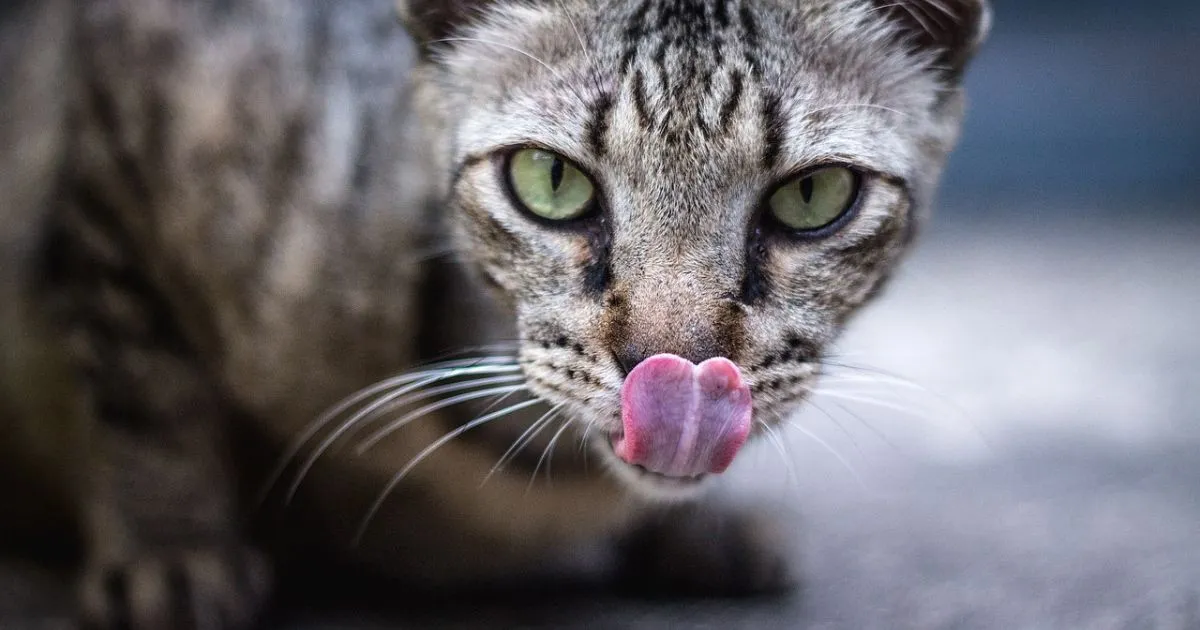
This distinctive texture isn’t accidental. It comes from tiny backward-facing structures called papillae that coat your cat’s tongue. These small hooks serve a practical evolutionary purpose: they’re perfectly designed to clean fur and remove debris, making grooming efficient and thorough. Understanding the mechanics behind cat licking is the first step toward comprehending the deeper reasons behind this behavior. According to insights from Molly DeVoss, a Certified Feline Training and Behavior Specialist, and cat expert Franny Syufy, decoding cat communication requires us to look beyond surface-level interpretations and consider both the biological and psychological factors at play.
Social and Emotional Motivations
Affection and Bonding
When your cat licks you, one of the most common explanations is straightforward: they’re showing affection and strengthening the bond between you. Cats engage in a behavior called allogrooming—the practice of grooming other members of their social group. By licking you, your cat is essentially treating you as a valued member of their family unit. This behavior develops early in a cat’s life and carries forward into adulthood as a sign of trust and closeness.
Marking Territory
Cats possess scent glands distributed across their bodies, and these glands produce pheromones—invisible chemical signals that carry meaning within the feline world. When your cat licks you, they’re not simply showing affection; they’re also claiming you as their own. By transferring their scent onto your skin, your cat is sending a message to other cats: “This human belongs to me, and they’re part of my territory.” It’s a possessive gesture, but one rooted in attachment rather than aggression.
Teaching and Nurturing
Many cat owners find it amusing when their cats attempt to groom them, sometimes with an intensity that suggests mild frustration. This behavior likely stems from instincts learned from their mothers. Cats may view themselves as teachers, attempting to show their human companions how to properly groom themselves. If your cat licks your hair or focuses on specific body parts, they might actually be viewing you as somewhat inept at cat grooming duties—a kindly intervention in their eyes, even if the sentiment doesn’t translate perfectly across species.
Physical and Behavioral Triggers
Taste Sensations
Your cat’s licking behavior may also be driven by simple taste preferences. The salt naturally present in human sweat can be attractive to cats, making your skin a literal source of flavor. Additionally, if you’ve recently applied lotions, perfumes, or oils, or if you’ve been handling food, these scents and tastes become additional incentives for licking. Your cat isn’t necessarily trying to eat you—they’re simply enjoying the sensory experience.
Attention-Seeking
Cats are remarkably intelligent creatures, and they quickly learn cause-and-effect relationships. If licking you consistently results in your attention—whether that’s you laughing, petting them, or even pushing them away—they’ve learned that licking is an effective tool. It becomes a reliable way to demand food, initiate playtime, or request petting. In essence, your cat has identified licking as their most effective communication method.
Early Weaning Fixations
Kittens separated from their mothers before the natural weaning period (typically around eight weeks) may develop a persistent need for oral stimulation and comfort. These cats sometimes carry this behavior into adulthood, using licking as a form of self-soothing. If you adopted a young kitten, this behavioral pattern might explain excessive licking directed toward you or your belongings.
Stress and Medical Considerations
Anxiety and Stress Relief
Grooming serves a self-soothing function for cats, similar to how humans might engage in repetitive behaviors when anxious. When cats lick—whether themselves or their humans—they’re often attempting to calm themselves down during periods of overstimulation or anxiety. If your cat licks you more frequently during stressful situations (thunderstorms, vet visits, household changes), this explanation may be particularly relevant.
Pain and Internal Illness
While occasional licking is normal and endearing, a sudden increase in licking behavior warrants attention. Excessive licking can indicate that your cat is experiencing pain, nausea, or suffering from underlying health issues such as inflammatory bowel disease or other gastrointestinal conditions. Changes in behavior are often your cat’s way of communicating that something is wrong. If you notice this shift, a veterinary consultation is advisable.
Safety and Health Guidelines
While cat licks are generally safe, certain precautions are important. Never allow your cat to lick open wounds or your face, as feline mouths harbor bacteria that can potentially cause infections in vulnerable areas. Additionally, be cautious about allowing your cat to lick areas where you’ve applied topical medications, hormone creams, or certain lotions. These substances can be toxic if ingested by your cat, creating an unintended health hazard.
How to Redirect or Stop the Behavior
If your cat’s licking becomes uncomfortable or excessive, several gentle strategies can help.
The Withdrawal of Attention Method works by removing the reward. When your cat licks you, calmly stand up and move away. Eventually, your cat learns that licking ends the social interaction they desire.
Active Redirection provides alternative outlets for your cat’s energy and grooming impulses. Offer stimulating toys, puzzle feeders, or a grooming brush as substitutes for licking you directly.
Positive Reinforcement involves rewarding your cat when they interact with you without licking. Offer praise, treats, and affection during these moments, essentially teaching them that non-licking interactions result in desirable outcomes.
Notably, experts advise against using spray bottles or yelling as deterrents. These methods can damage your bond with your cat and cause them to associate discomfort with your presence—counterproductive to the relationship you’re trying to maintain.Frequently Asked Questions
Frequently Asked Questions
Why does my cat lick me then suddenly bite?
This “lick-then-bite” behavior can feel confusing, but it’s actually pretty common. Cats may start off grooming you as a sign of affection, then suddenly switch to a gentle bite when their excitement level rises or they become overstimulated.
Another possible reason is how cats perceive space up close. Their vision is not as sharp at very short distances, so quick movements while they’re licking might trigger a playful or instinctive response—almost like they’ve switched from “comfort mode” to “play mode.”
What does kneading and licking mean?
If your cat licks you while rhythmically pushing their paws against you (often called “making biscuits”), take it as a compliment. This behavior goes all the way back to kittenhood, when they kneaded their mother to stimulate milk flow while nursing.
In adult cats, kneading combined with licking is usually a strong sign of comfort, trust, and emotional security. It’s their way of saying they feel safe and relaxed around you.
What does it mean when my cat licks me?
Cat licking is more than just curiosity—it’s a form of communication. It can be a sign of affection, bonding, or even a way of marking you with their scent.
Understanding these small gestures helps you better interpret your cat’s emotions and strengthens the bond you share. In their own subtle way, these moments are your cat’s version of “I trust you.”