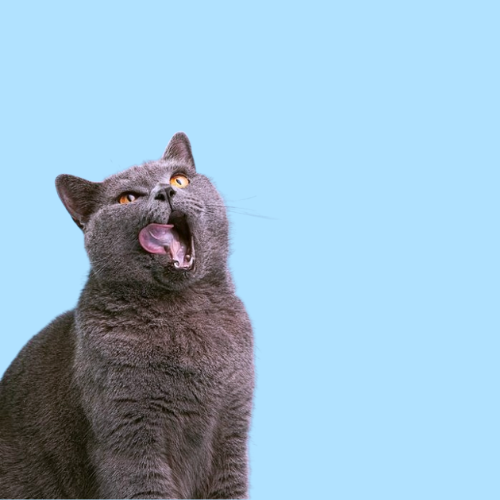
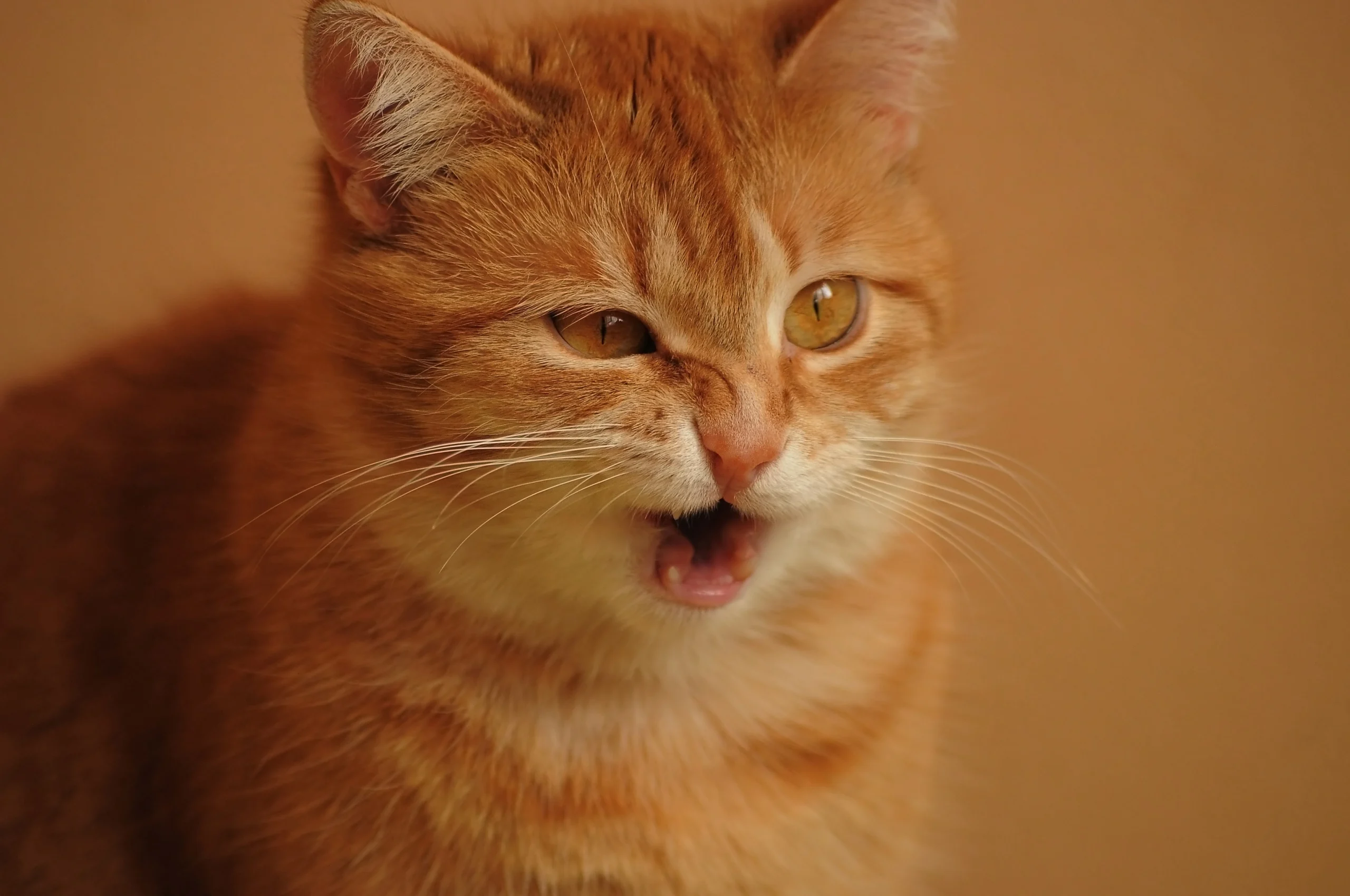
Is Your Cat Sneezing? When a Simple Reflex Becomes a Red Flag
You’re sitting on the couch, enjoying a quiet afternoon with your feline companion, when suddenly—achoo! Your kitty lets out an adorable sneeze. It happens again. And again. While it might seem cute at first, you’re now wondering: is this normal, or should I be concerned?
Cat sneezing is actually quite common, but understanding when it’s harmless and when it signals something serious can save your pet from unnecessary discomfort—or worse. As a cat owner, learning the difference between a quick dust-related reflex and a persistent health issue is one of the most important things you can do.
Table of Contents
The Sneeze Spectrum: Casual or Concerning?
Let’s start with the basics. Most cats will sneeze occasionally—just like humans do. A stray dust particle, a tickle from a whisker, or dry air can trigger a perfectly innocent reflex that happens once or twice and never again. This kind of isolated sneeze isn’t worth losing sleep over.
But here’s where things get tricky. Cat sneezing that happens repeatedly, day after day, or that suddenly appears in an otherwise healthy pet deserves your attention. The key distinction lies in frequency and duration. One or two sneezes? Totally normal. Ten sneezes a day for a week? Time to investigate.
Environmental Culprits: Is Your Home Triggering It?
Before you panic and book a vet appointment, consider what’s happening in your cat’s immediate environment. Your home might be triggering that persistent sneeze without any serious underlying condition.
Cats have incredibly sensitive nasal passages—far more delicate than ours. Perfumes, whether from air fresheners, scented candles, or personal fragrances, can irritate their nose. Similarly, dust accumulation from household items, inadequate air filtering, or seasonal changes can cause sneezing fits. Even your cleaning products might be the culprit. Many conventional cleaners release harsh chemicals and aerosols that aren’t cat-friendly.
Cigarette smoke is another major irritant. If anyone in your household smokes indoors, your cat’s respiratory system is taking a hit. These environmental triggers are often completely harmless once you eliminate them, but they can make your pet thoroughly miserable in the meantime.
Start by making simple changes: switch to fragrance-free products, ensure good ventilation, and consider using a humidifier during dry seasons. Many cat owners find that these adjustments alone stop the sneezing within days.
Infections and Invisible Invaders
Now let’s talk about the more serious possibilities. Upper respiratory infections are incredibly common in cats, particularly in kittens, senior cats, or those living in multi-cat households. The two most frequent culprits are feline herpesvirus and calicivirus.
These viral infections cause symptoms beyond just sneezing. You’ll typically notice nasal discharge (clear, white, or yellowish), watery eyes, and sometimes mouth ulcers with calicivirus. The sneezing often comes in waves, and your cat might seem lethargic or lose interest in food.
Here’s the important part: while these viruses aren’t curable in the traditional sense, they’re manageable. Your veterinarian can prescribe supportive care, antivirals in some cases, and antibiotics if secondary bacterial infections develop. Most cats recover fully with proper treatment and time.
The Sneeze Saboteur: Foreign Bodies and Dental Drama
Sometimes, a seemingly simple sneeze masks a more unusual problem. A blade of grass, a piece of plant material, or even a small food particle can lodge in your cat’s nasal passages, triggering violent, persistent sneezing as their body tries to expel it. This is where cat sneezing becomes genuinely distressing for your pet—the sneezing is often violent and accompanied by obvious discomfort.
Dental problems can also cause sneezing, which surprises many cat owners. An infected tooth root sits dangerously close to the nasal passages. When infection develops, it can trigger inflammation that mimics an upper respiratory issue. If your cat is sneezing and you notice bad breath, swollen face, or difficulty eating, dental disease might be the answer.
Both foreign body obstruction and dental infections require professional intervention. Don’t attempt to remove anything yourself—you could cause injury. A quick vet visit will identify and resolve the issue.
Red Flags That Demand Immediate Action
Knowing which symptoms warrant urgent attention is crucial. While occasional sneezing is usually benign, certain warning signs mean your cat needs veterinary care sooner rather than later.
Pay close attention to nasal discharge. Clear discharge might indicate environmental irritation or viral infection—still worth monitoring but not necessarily an emergency. Yellow, greenish, or bloody discharge suggests bacterial infection or something more serious. This is your sign to call the vet.
Look beyond the sneezing too. Is your cat hiding more than usual? Cats hide when they don’t feel well, so behavioral changes are significant. Loss of appetite is another major red flag—when a cat refuses food, something is definitely wrong. Lethargy, squinting (which indicates eye discomfort), or any difficulty breathing demand immediate professional attention.
Behavioral changes like stopping grooming or withdrawing from family activities suggest your cat is genuinely unwell. Trust your instincts. You know your pet better than anyone.
Getting Professional Help: What to Expect
When you visit the veterinarian, they’ll start with a thorough physical examination. They’ll listen to your cat’s lungs, examine the nasal passages, and check for other signs of infection or inflammation.
For persistent cases, your vet might recommend nasal swabs to identify bacterial or viral infections, or X-rays to rule out foreign bodies or dental disease. In some cases, rhinoscopy—a procedure allowing direct visualization of nasal passages—becomes necessary.
Treatment varies depending on the underlying cause. Bacterial infections respond to antibiotics. Viral infections require supportive care: rest, hydration, and sometimes antiviral medications. Environmental irritants simply need to be removed. A humidifier often becomes a cat owner’s best friend, providing relief and helping tissues heal.
Prevention: The Best Medicine
The good news? Many causes of cat sneezing are preventable. Vaccination is your first line of defense against feline herpesvirus and calicivirus. Keep your cat’s vaccines current, and ensure any new cats are tested before joining a multi-cat household.
Maintain a clean living environment. Regular vacuuming, air filter replacement, and avoiding harsh chemicals create a respiratory-friendly home. If you have multiple cats, provide separate resources to reduce stress, which strengthens immune function.
Comfort Measures at Home
While your cat recovers, you can help. Ensure access to fresh water—congestion reduces appetite, so hydration is crucial. Warm, aromatic broths (unsalted, with no onions or garlic) sometimes encourage eating. The humidifier should run continuously in your cat’s main area.
Keep stress low. Calm, comfortable spaces help your cat’s immune system focus on healing. Gentle interaction is fine, but don’t force play or socialization if they seem unwell.
The Bottom Line
Cat sneezing ranges from adorably harmless to genuinely concerning, and context is everything. By observing frequency, associated symptoms, and environmental factors, you can usually determine whether this is a quick-fix situation or something requiring veterinary expertise.
Trust your instincts, stay alert to warning signs, and don’t hesitate to contact your vet if anything feels off. Your cat depends on you to notice when something isn’t quite right. With awareness and prompt action, most sneezing issues resolve quickly, leaving you and your feline friend back to enjoying those quiet afternoons together.
FAQ
Why is my cat sneezing so much?
Cats sneeze for many reasons. This includes infections, irritants in the air, allergies, and even cleaning products. If sneezing doesn’t stop or is with other signs, see a vet.
When should I worry about my cat’s sneezing?
Be worried if your cat sneezes a lot and has other signs. Look for nose or eye discharge, loss of appetite, or trouble breathing. If sneezing lasts more than a few days or with fever, get vet help.
Can cat sneezing be caused by allergies?
Yes, cats can get allergies like humans. Allergens include dust, pollen, foods, litter, and cleaning products. Symptoms like sneezing, watery eyes, and skin issues can happen.
Are there any home remedies for cat sneezing?
Home remedies can help a bit, but see a vet for real help. Try a humidifier, keep things clean, and make sure your cat drinks water. Remove irritants and keep your cat calm.
How can I prevent my cat from sneezing frequently?
To stop sneezing, do regular vet visits and keep things clean. Feed well, avoid irritants, and reduce stress. Make sure vaccinations are current.
Is cat sneezing contagious?
Yes, some infections can spread easily, especially in cats. Keep sick cats away and wash hands often. Talk to your vet about how to handle it.
What tests might a vet perform for a sneezing cat?
Vets might do many tests. This includes physical checks, blood tests, and swabs. They might also do cultures, X-rays, or allergy tests. These help find what’s causing the sneezing.