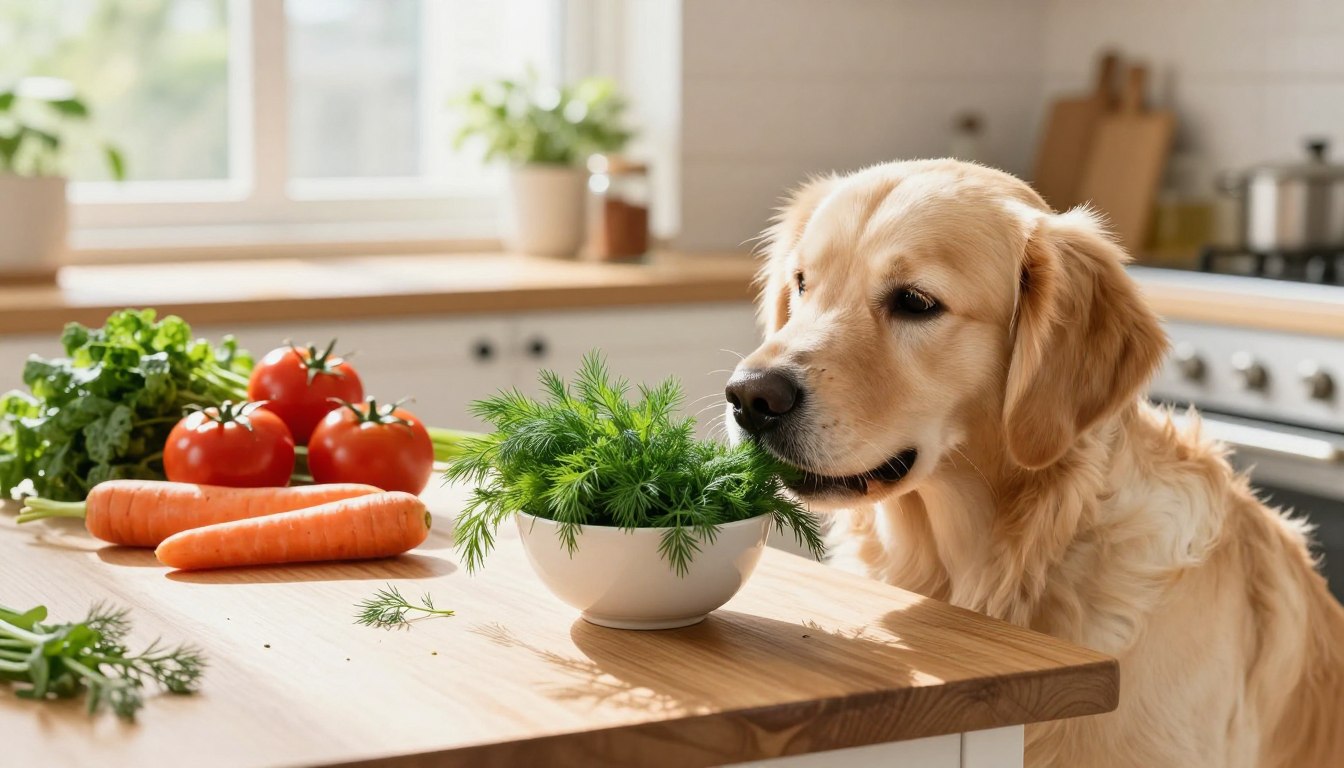
Can Dogs Have Dill? What You Need to Know
Your dog’s health is your top priority. You always check if new foods or herbs are safe for them. Many pet owners ask if dogs can eat dill.
Is dill safe for dogs? The answer is yes. Experts say dill is not harmful to dogs. It can even be good for them.
Dill is more than just a tasty addition. It has vitamins and minerals that boost your dog’s health. It can also help with digestion and freshen their breath.
This article will show you how to safely add dill to your dog’s food. You’ll learn how to prepare it and how much to give based on your dog’s size. This way, you can ensure your dog gets the most benefits without any risks.
If you’re new to herbs for your dog or want to add more to their diet, this guide is for you. It will help you make informed decisions about using dill for your pet.
Can Dogs Have Dill
Yes, dogs can safely enjoy dill. This common herb is not toxic to dogs and can be a healthy addition to their diet. Many pet owners wonder if dogs can have dill, and the answer is yes. Dill is among the safest herbs for dogs.
Veterinary professionals say dill is beneficial and safe for dogs. Unlike harmful herbs like garlic or onion, dill does not contain toxic compounds. Before adding spices to your dog’s meals, it’s wise to consult a pet nutritionist.
Is Dill Safe for Your Canine Companion
Dill is safe for dogs, according to vets. Dogs can eat both fresh and dried dill without harm. It’s used to help with digestive issues in dogs.
When giving dill to your dog, follow these safety tips:
- Chop dill finely to prevent choking hazards
- Serve in small amounts mixed with regular food
- Start with tiny portions to monitor your dog’s response
- Consult your veterinarian before adding new herbs
Understanding Dill as a Dog-Friendly Herb
Dill is a safe herb for dogs, offering nutritional value. It’s different from toxic herbs and is good for your dog’s diet.
| Herb Type | Safety Status | Digestive Benefits | Serving Method |
|---|---|---|---|
| Dill | Safe for Dogs | Reduces gas and nausea | Fresh or dried, finely chopped |
| Parsley | Safe for Dogs | Freshens breath | Fresh, in small amounts |
| Rosemary | Safe for Dogs | Antioxidant properties | Dried, minimal amounts |
| Garlic | Toxic to Dogs | None – avoid completely | Never feed to dogs |
| Onion | Toxic to Dogs | None – avoid completely | Never feed to dogs |
Even though dogs can have dill, remember to give it in moderation. Safe herbs should only be given in small amounts as part of a balanced diet. Always check with your vet before introducing new foods, including dill, to your dog’s diet.
Health Benefits of Dill for Dogs
Dill is more than just a kitchen herb. It can greatly improve your dog’s life when used right. This herb has natural compounds that support your dog’s health and comfort.
Dill is especially good for your dog’s digestive system. It has carminative properties that help get rid of gas. If your dog has trouble with gas or bloating, dill can help.
- Soothes the gastrointestinal tract during upset stomach episodes
- Reduces nausea and helps settle queasy stomachs
- Freshens breath naturally without artificial additives
- Provides essential vitamins like vitamin A and vitamin C
- Contains iron and manganese for nutritional support
- Delivers anti-inflammatory benefits throughout the body
The anti-inflammatory properties in dill are great for dogs with minor inflammation. These natural qualities are gentle and don’t have harsh side effects.
Remember, dill should be a complementary addition to your dog’s diet. It should not replace vet care or prescribed meds. Always talk to your vet before adding dill to your dog’s diet.
Nutritional Value of Dill in Your Dog’s Diet
Dill adds valuable nutrients to your dog’s meals. It’s packed with vitamins and minerals that boost your dog’s health. While it shouldn’t be the main food, it’s a great supplement. Knowing what dill offers helps you make better choices for your dog’s diet.
Vitamins and Minerals Found in Dill
Dill has several nutrients that are good for your dog:
- Vitamin A – Helps with eyesight, boosts immunity, and keeps skin and coat healthy
- Vitamin C – Acts as a strong antioxidant, protecting cells and boosting immunity
- Iron – Crucial for healthy blood and preventing anemia
- Manganese – Supports bone health, aids in wound healing, and keeps metabolism balanced
How Dill Supports Canine Nutrition
Dill is a nutritional boost for dogs. Your dog’s main food should have all the needed nutrients. Adding dill gives your pet extra nutrients in small amounts.
The nutrients from dill are modest because you only give a little. A small amount of fresh or dried dill won’t change your dog’s diet much. What’s important is that these small additions support overall health through dietary diversity.
Adding dog-safe herbs like dill makes feeding your dog more balanced. Think of dill as a helpful partner to your dog’s main diet, not a replacement. This balanced view helps you see dill’s role in supporting your dog’s health.
How Dill Helps with Digestive Issues in Dogs
Your dog’s digestive system is key to their health. Issues like gas, bloating, or constipation need natural solutions. Dill is a trusted remedy for dogs, offering comfort and support for their digestive system.
Dill contains carminatives that ease digestive discomfort. These compounds relax your dog’s digestive muscles. This allows trapped gas to move through more easily, reducing bloating and flatulence.
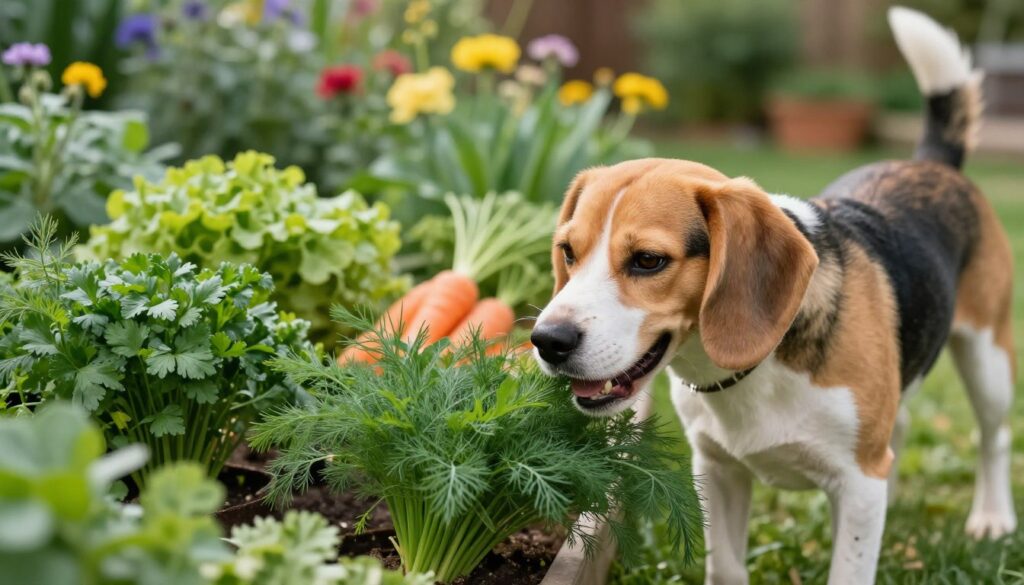
Dill also helps with constipation by promoting healthy bowel movements. It supports digestive motility. Additionally, dill’s anti-nausea properties help your dog’s stomach settle after eating too fast or making dietary mistakes.
Knowing when to use dill is important for your pet’s safety. It’s great for minor digestive upset. But, if your dog has persistent or severe issues, see a vet. Dill is best for preventing mild bloating and occasional discomfort in dogs.
| Digestive Issue | How Dill Helps | Best For |
|---|---|---|
| Gas and Bloating | Carminative properties expel trapped gas | Dogs with frequent flatulence |
| Constipation | Supports healthy digestive motility | Dogs with sluggish digestion |
| Nausea | Settles upset stomach naturally | Dogs after quick eating |
| General Discomfort | Relaxes digestive tract muscles | Dogs with mild digestive upset |
Dill’s benefits for dogs come from its natural compounds. It offers gentle digestive support without harsh chemicals. Always introduce dill slowly and watch your pet’s reaction. Used right, dill is a valuable part of your dog’s digestive health routine.
“Natural herbs like dill have been supporting animal digestive health for centuries, offering gentle relief without the side effects of pharmaceutical interventions.”
Your dog deserves a comfortable digestive system and natural wellness solutions. Dill provides that with its proven digestive benefits.
Safe Ways to Feed Dill to Your Dog
Getting the preparation right is key when feeding dogs dill. Your approach can make the difference between a beneficial addition to your pet’s diet and a missed opportunity. Learning how to properly introduce and serve dill ensures your dog gets the most from this herb while staying safe and healthy.
Proper Preparation Methods for Dill
You have several effective options for feeding dogs dill, depending on your dog’s preferences and eating habits. Each method offers unique benefits and flexibility.
- Dill Tea – Combine 1 teaspoon of fresh or dried dill with 8 ounces of boiling water. Let it cool completely before serving. Add a couple of teaspoons to your dog’s water bowl or drizzle it over their food.
- Dried Dill – Sprinkle finely chopped dried dill directly onto your dog’s meal. Dried dill is more concentrated, making it ideal for smaller portions.
- Fresh Dill – Wash fresh dill thoroughly and chop it into small pieces. This option works well for dogs who enjoy fresh textures.
Dried dill requires less quantity because it’s more potent. When feeding dogs dill in fresh form, always chop it finely to prevent choking hazards and promote easier digestion.
Recommended Serving Sizes Based on Dog Weight
Proper portions matter when feeding dogs dill. Your dog’s size determines the appropriate amount.
| Dog Weight | Dried Dill Amount | Dill Tea Amount |
|---|---|---|
| Small Dogs (Under 15 lbs) | 1/4 teaspoon | 2 ounces |
| Medium Dogs (15-50 lbs) | 1/2 teaspoon | 4 ounces |
| Large Dogs (Over 50 lbs) | 1 teaspoon | 8 ounces |
All treats and herb additions should make up no more than 10% of your dog’s daily calories. The remaining 90% should come from complete and balanced dog food. When first introducing dill, start with the smallest portion and watch your dog’s reaction for a few days. Gradually increase the amount only if your dog shows no signs of digestive upset or allergic response. This cautious approach helps you determine your individual dog’s tolerance level.
Potential Risks and Precautions When Feeding Dogs Dill
Dill is usually safe for dogs, but it’s important to be careful. Knowing the risks and taking precautions is key before adding dill to your dog’s food.
The main worry is portion control. Too much dill can upset your dog’s stomach. Start with a little and watch how they react before adding more.
It’s crucial to prepare dill safely for dogs. Chop it finely to avoid choking hazards. Never give your dog dill in chunks or sprigs.
Important Safety Guidelines
- Purchase pure dill without added seasonings like garlic or onion powder, which are toxic to dogs
- Avoid dill oil and other concentrated forms unless your veterinarian approves
- Never use pennyroyal mint or oregano oil, as these are poisonous to canines
- Store dill in cool, dry conditions away from moisture
- Check product labels carefully for hidden harmful ingredients
Every dog is different. Talk to your vet before adding dill to your dog’s diet. This is especially true for dogs with health issues, on medication, or with food allergies. Pregnant or nursing dogs should also avoid dill unless a vet says it’s okay.
Big changes in your dog’s diet need vet advice. A vet nutritionist can help make sure your dog gets the right food. They can give you specific advice on dill safety for your dog based on their health and needs.
Dill Tea for Dogs and Its Benefits
Dill tea is a great way for dogs to enjoy dill. It’s easier for them to drink than eating dried dill. Many dogs prefer it because it’s liquid and tastes mild.
It makes water more appealing to dogs. This can help them stay hydrated and support their health and digestion.
How to Prepare Dill Tea for Your Canine
Making dill tea is simple. You need a few ingredients and to follow some steps to keep your dog safe.
Basic Preparation Steps:
- Add 1 teaspoon of fresh or dried dill seeds or leaves to 8 ounces of boiling water
- Allow the mixture to steep for 5-10 minutes
- Cool the tea completely to room temperature before serving
- Never offer warm or hot dill tea to your dog
Once it’s cooled, you can serve it in different ways. Mix it with their water, drizzle it on kibble, or give it in a small dish. The amount depends on your dog’s size:
| Dog Size | Daily Serving |
|---|---|
| Small Dogs (Under 20 lbs) | 2-3 ounces |
| Medium Dogs (20-50 lbs) | 4-6 ounces |
| Large Dogs (Over 50 lbs) | 6-8 ounces |
You can keep dill tea in the fridge for 2-3 days. Store it in a sealed container away from other foods. This is a convenient way for pet owners to give their dogs health benefits easily.
Comparing Dill to Other Dog-Safe Herbs and Spices
Knowing how dill compares to other safe herbs is key for your pet’s health. Each herb offers unique benefits for your dog’s meals. Dill is great for digestive issues and gas, but other herbs have their own strengths.
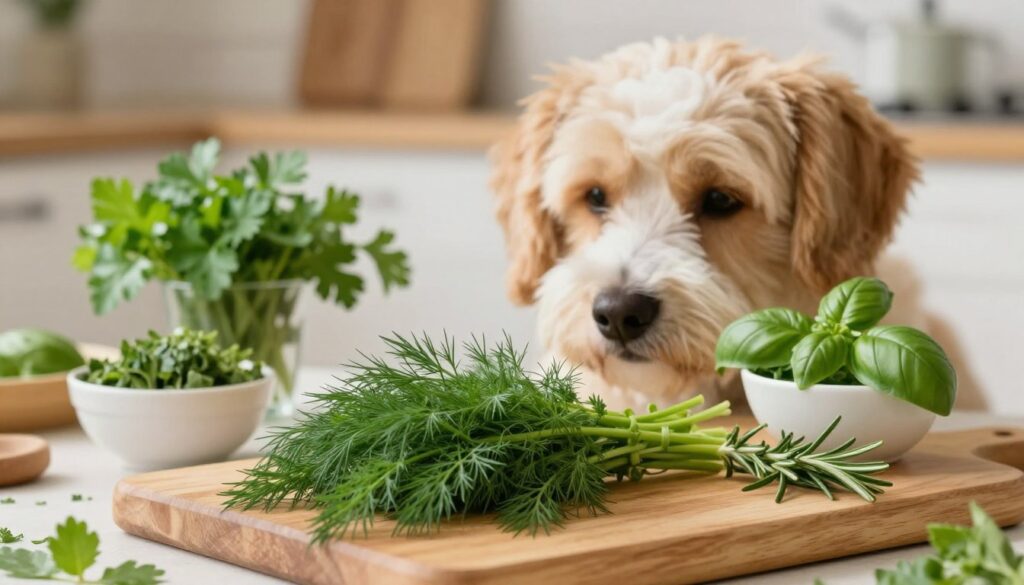
Many dog owners ask which herbs are best for their pets. Dill is excellent for digestion. Rosemary also supports digestion and has antioxidants and anti-inflammatory properties. Parsley helps with kidney health and freshens breath.
Basil has antioxidants and antibacterial compounds that can calm anxious dogs. Sage boosts the immune system with its antimicrobial qualities. Cilantro aids digestion and provides vitamins A and K. These herbs each have different roles in canine nutrition.
Safe spices offer more choices beyond herbs. Cinnamon helps control blood sugar and has anti-inflammatory effects. Turmeric supports joint health and reduces inflammation. Chamomile eases anxiety in nervous dogs. Mint varieties like spearmint and peppermint freshen breath and improve digestion.
| Herb or Spice | Primary Benefits | Best For | Comparison to Dill |
|---|---|---|---|
| Dill | Digestive support, gas relief | Bloating and digestive upset | Strongest for gas and bloating |
| Rosemary | Antioxidant, anti-inflammatory | Overall wellness and digestion | Broader health benefits but less specific for gas |
| Parsley | Kidney support, breath freshening | Urinary and kidney health | Better for kidney issues than dill |
| Basil | Antioxidant, antibacterial, calming | Anxiety and stress relief | Better for anxious dogs than dill |
| Sage | Immune support, antimicrobial | Immune system boosting | Stronger immune benefits than dill |
| Cilantro | Digestive aid, vitamin rich | Digestion and nutrient boost | Similar digestive benefits to dill |
| Cinnamon | Anti-inflammatory, blood sugar regulation | Metabolic support | Different focus than dill |
| Turmeric | Anti-inflammatory, joint support | Joint health and arthritis | Better for joint issues than dill |
Adding dill to your dog’s diet adds variety. But knowing when to use other herbs is important. Choose dill for gas and bloating. Use turmeric for joint health. Select basil for anxiety. Rotate these safe herbs for different nutritional profiles.
Never use garlic, onion, pennyroyal mint, tarragon, nutmeg, chili, or paprika with your dog. These herbs and spices are harmful. Stick with safe options like dill and the alternatives listed above. Your vet can suggest herbs that fit your dog’s health needs.
Signs Your Dog May Be Sensitive to Dill
Understanding dill and dog health is key. While dill is usually safe, some dogs can be sensitive to it. Spotting early signs helps keep your pet safe and ensures quick action if needed.
Introduce dill slowly to your dog’s diet. Watch them closely for 24 to 48 hours. Keep a food diary to track their behavior and digestion during this time.
Symptoms to Watch For After Introducing Dill
Your dog’s body will show if dill is not good for them. Look out for these signs:
- Vomiting or diarrhea (signs of digestive upset)
- Excessive drooling or pawing at the mouth
- Lethargy or unusual weakness
- Whining, restlessness, or reluctance to eat
- Rapid breathing or excessive panting
- Tremors or disorientation
- Increased thirst beyond normal drinking habits
- Itching, hives, or facial swelling (rare allergic signs)
Some dogs may have mild digestive issues when trying new foods. This usually goes away in a day or two. But, if your dog shows serious signs of sensitivity, act fast.
If your dog shows concerning symptoms, stop dill immediately. Call your vet and tell them about your dog’s reaction. Your vet will decide if your dog needs treatment and if dill should be avoided.
Conclusion
You now know that dogs can safely have dill in moderation. This herb is good for their digestive health. It can help with gas, bloating, and nausea. Dill also makes your dog’s breath fresh and adds important vitamins and minerals.
How you prepare dill is key to your dog’s safety. You can chop fresh dill, use a little dried dill, or make dill tea. Cool the tea before giving it to your dog. The right amount depends on your dog’s size. Always remember, dill should not be the main part of their diet.
Before adding dill to your dog’s meals, talk to your vet. This is especially important if your dog has health issues or takes medicine. Start with a small amount and watch for any signs of upset stomach or allergies. This careful approach helps you see if dill is good for your dog.
Adding safe herbs like dill to your dog’s food can be great for their health. When used wisely, dill can give your dog an extra health boost. Knowing about can dogs have dill helps you make better choices for your dog. Use this knowledge to help your dog stay healthy and happy.
FAQ
Is dill safe for dogs to eat?
Yes, dill is safe for dogs in small amounts. It’s not toxic like garlic or onion. Vets say it’s good for dogs’ stomachs. But, only give it a little bit as a treat.
Can dogs have dill on a regular basis?
Dogs can have dill sometimes, but not too much. It should not be their main food. Think of it as a special treat, not a regular part of their diet.
What are the main health benefits of dill for dogs?
Dill helps with digestion and can make your dog’s breath smell better. It also has anti-inflammatory properties. But, it’s not a replacement for vet care or medicine.
How much dill can I safely give my dog?
The amount depends on your dog’s size. Small dogs get 1/4 teaspoon, big dogs get up to 1 teaspoon. Start with a little and see how they do.
Should I use fresh or dried dill for my dog?
Both are safe, but dried dill is stronger. Use less of it. Fresh dill is better for dogs who like it more. Chop it up to avoid choking hazards.
What is dill tea for dogs, and how do I prepare it?
Dill tea is a way to give your dog dill in liquid form. Use 1 teaspoon of dill in 8 ounces of water. Let it cool down before giving it to your dog. Store it in the fridge for a few days.
How should I introduce dill to my dog’s diet?
Talk to your vet first. Start with a tiny bit of fresh or dried dill. Watch your dog closely for any bad reactions. If they do well, you can give them more.
Can dill help with my dog’s gas and bloating?
Yes, dill can help with gas and bloating. It relaxes the digestive muscles and helps get rid of gas. But, if your dog has bad gas or bloating, see a vet.
Are there any risks or side effects from feeding dill to dogs?
The main risk is eating too much dill. It can upset their stomach. Make sure to chop fresh dill well to avoid choking hazards. Always check with your vet before adding new foods.
What symptoms indicate my dog may be sensitive to dill?
Look for signs like vomiting, diarrhea, or too much gas. Also, watch for lethargy, restlessness, or not wanting to eat. If your dog has an allergic reaction, it could be itching, hives, or trouble breathing. If you see any of these, stop giving dill and call your vet.
How does dill compare to other dog-safe herbs like parsley and rosemary?
Dill, parsley, and rosemary are all safe for dogs. Dill is great for digestion and gas. Parsley is good for kidneys, and rosemary is strong for digestion and antioxidants. Basil calms dogs, sage boosts immunity, and cilantro helps digestion. Ginger is good for nausea, and turmeric helps joints. Each herb has its own benefits.
Can I give dill to my dog if they’re pregnant or nursing?
It’s best to ask your vet before giving dill to pregnant or nursing dogs. Their nutritional needs change, and new herbs might not be good. Always talk to your vet before making diet changes for pregnant or nursing dogs.
What nutritional components does dill provide for dogs?
Dill has vitamin C, vitamin A, iron, and manganese. These nutrients help protect cells, support vision, and keep blood healthy. While dill is nutritious, it’s best to give it in small amounts as a treat.
Should I consult my veterinarian before giving dill to my dog?
Yes, it’s a good idea to talk to your vet before giving dill to your dog. They can give advice based on your dog’s health and needs. This ensures dill is safe for your dog.
Can dill help freshen my dog’s breath?
Yes, dill can make your dog’s breath smell better. It has compounds that freshen breath. But, if your dog has bad breath all the time, it might mean they need vet care.
Is dill toxic to dogs in any way?
No, dill is not toxic to dogs. It’s safe when given in small amounts. The main risk is eating too much, not poisoning.
Can I sprinkle dried dill directly on my dog’s food?
Yes, you can sprinkle dried dill on your dog’s food. Use the right amount for your dog’s size. Mix it well to avoid choking hazards. Dill tea might be better for picky eaters.
What’s the difference between dill seeds and dill leaves for dogs?
Both are safe for dogs, but seeds are stronger. Use less of them. Choose based on what you have and your dog likes better. Make sure to prepare it right.
How often can I give my dog dill?
You can give dill to your dog sometimes, but not too often. It should not be their main food. Start with a little and see how they do.
Does dill have anti-inflammatory properties beneficial for dogs?
Yes, dill has anti-inflammatory properties. It can help with mild stomach issues. But, for serious problems, see a vet. Dill is not a replacement for vet care.
What makes dill a carminative herb for dogs?
Dill is a carminative herb because it helps get rid of gas. It relaxes the digestive muscles. This makes your dog more comfortable and helps with gas and bloating.
Can dill help with my dog’s nausea?
Dill might help with nausea, but only a little. It’s not a cure for chronic nausea. If your dog is really sick, see a vet.
Is it safe to use dill essential oil for dogs?
Essential oils are too strong for dogs. Dill essential oil is no exception. Stick to whole dill unless your vet says it’s okay.
Can I give dill to my senior dog?
Yes, dill can be good for senior dogs. It helps with digestion and gas. But, talk to your vet first, especially if your dog has health issues.
What preparation method is best for my dog—fresh, dried, or tea?
Choose based on what you like and what your dog prefers. Fresh dill is nice, dried dill is strong, and dill tea is good for hydration. Start with one and see what works best.
Can dill help support my dog’s immune system?
Dill has vitamin C, which helps the immune system. It’s not a replacement for good dog food, but it’s a nice addition. Always make sure your dog’s main food is good for their health.