Can Dogs Eat Sweet Pickles? Vet-Reviewed Guide
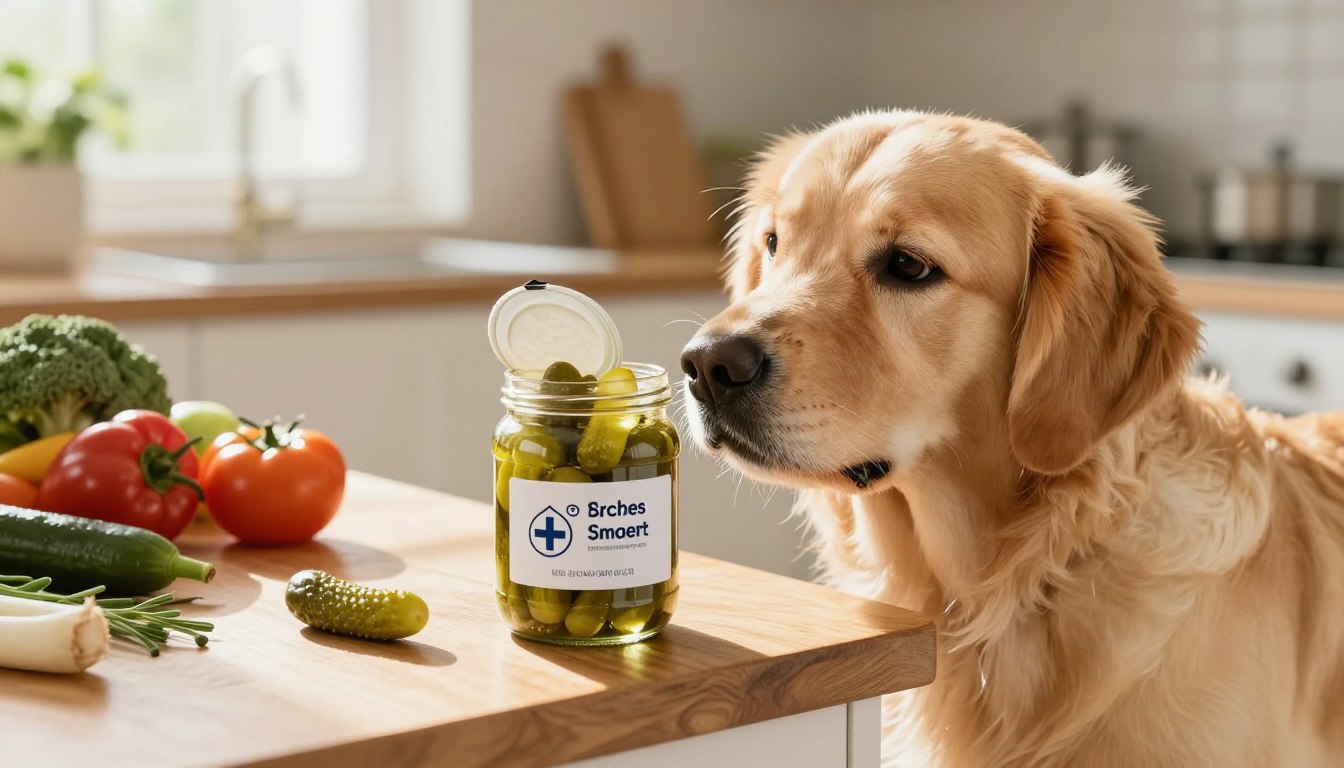
Your dog looks up at you with big eyes while you eat a pickle. You might think sharing a small piece is okay. But, sweet pickles can actually harm your dog.
Many dog owners like to share their food with their pets. It seems like a loving thing to do. But, dogs should not eat sweet pickles. Even though they’re not toxic in small amounts, their ingredients and preparation are dangerous.
Cucumbers are good for dogs because they’re full of vitamins and minerals. But, when cucumbers become pickles, they get too much salt, sugar, and chemicals. Sweet pickles have even more sugar or artificial sweeteners.
This guide will explain why sweet pickles are bad for dogs. You’ll learn about the harmful ingredients and what to do if your dog eats them. You’ll also find out about safe snacks that dogs love.
Knowing these risks helps you make better choices for your dog’s diet and health.
Can Dogs Eat Sweet Pickles
Are sweet pickles safe for dogs? The answer is no. Sweet pickles and dogs don’t mix well. It’s important to know how cucumbers change into pickles.
Fresh cucumbers are good for dogs. They’re full of water, vitamins, and minerals. Dogs get hydration, antioxidants, and help for their teeth. But, pickled cucumbers are different.
Understanding Sweet Pickles and Their Ingredients
Pickled cucumbers have ingredients that are bad for dogs. The pickling process uses brine with 5% sodium. This is a lot of salt for dogs.
Sweet pickles also have extra things that make them bad:
- Added sugar or artificial sweeteners
- Vinegar from the brine solution
- Spices like mustard seed and turmeric
- Potentially harmful additives and preservatives
- Sometimes onion or garlic powder
The Difference Between Sweet Pickles and Regular Cucumbers
Fresh cucumbers and sweet pickles are not the same for dogs. Fresh cucumbers are good. Sweet pickles are not because they lose health benefits and gain dangers.
| Fresh Cucumbers | Sweet Pickles |
|---|---|
| Low in calories | High in sodium |
| Rich in vitamins K and C | Added sugars |
| Natural antioxidants | Artificial sweeteners |
| Help with dental health | Harmful spices included |
| Safe for dogs | Not recommended |
Fresh cucumbers are good for dogs. Pickled cucumbers are not. This is why dogs should not eat sweet pickles.
Why Sweet Pickles Are Not Recommended for Dogs
Understanding why pickles are bad for dogs starts with recognizing that your dog’s body works differently from yours. Sweet pickles won’t poison your pet in small amounts. But, they contain ingredients that create real health risks. Dogs have different nutritional needs and sensitivities that make sweet pickles an unsuitable choice for treats.
Your dog’s digestive system processes salt differently than a human’s does. Dogs cannot handle high sodium levels as well as people can. Sweet pickles contain salt levels that exceed what your pet needs for a balanced diet. Giving your dog sweet pickles means exposing them to unnecessary sodium that their body must work harder to process.
Sweet pickle toxicity in dogs becomes a concern when you consider all the additives used in pickling. Many companies add spices, seasonings, and preservatives to create their signature flavors. Some manufacturers use ingredients like onions and garlic, which can cause serious problems for your pet.
Multiple Health Risks in One Snack
Sweet pickles present several challenges to your dog’s health:
- Upset stomach and digestive distress
- Vomiting and diarrhea from spices and additives
- Excessive thirst from high salt content
- Zero nutritional value for your pet
- Potential allergic reactions to specific ingredients
Responsible pet ownership means making informed decisions about what your dog eats. Just because something won’t immediately harm your pet doesn’t mean it’s safe or appropriate. Sweet pickles offer no nutritional benefits to your dog while presenting multiple health concerns. Your dog deserves treats that support their wellbeing, not snacks that create digestive problems or introduce harmful substances into their body.
High Sugar Content in Sweet Pickles and Your Dog’s Health
Sweet pickles have added sugars that are bad for your dog. Unlike humans, dogs can’t handle refined sugars well. The sugar in sweet pickles is too much for your dog’s daily needs. It’s important to know how this affects your dog’s health.
Sugar-Related Health Risks for Dogs
Your dog’s body isn’t made for lots of sugar. Eating sweet pickles can cause:
- Gastrointestinal upset and stomach discomfort
- Increased thirst and excessive drinking
- Blood sugar spikes that stress the pancreas
- Tooth decay and gum disease from harmful bacteria
Too much sugar can lead to big problems. Diabetes and dental issues are just the start. Your dog’s energy can go up and down without reason.
Weight Gain and Obesity Concerns
Treats like sweet pickles can make your dog fat fast. They have empty calories but no nutrients. Even a little bit can add up and cause weight gain.
| Health Issue | Risk Level | Prevention Strategy |
|---|---|---|
| Joint Problems | High | Maintain healthy weight through proper nutrition |
| Heart Disease | High | Avoid high-sugar treats and human foods |
| Respiratory Issues | Moderate | Provide balanced, age-appropriate dog food |
| Reduced Lifespan | High | Limit treats to 10 percent of daily calories |
Being overweight can shorten your dog’s life. It makes them less active and more prone to pain. Sweet pickles are not a good choice for your dog. There are better, lower-calorie options to keep them happy and healthy.
The Dangers of High Salt Levels in Sweet Pickles
Sweet pickles soak in a brine with about 5% sodium. This means each quart of brine has around 3 tablespoons of salt. If your dog eats a small piece of pickle or licks the juice, they get a lot of salt. Unlike humans, dogs can’t handle this extra sodium.
Dogs do need some salt, though. Salt helps with nerve signals, muscle work, and cell function. The balanced dog food you give them has all the sodium they need. But, any salt from human foods like pickles is too much for them.
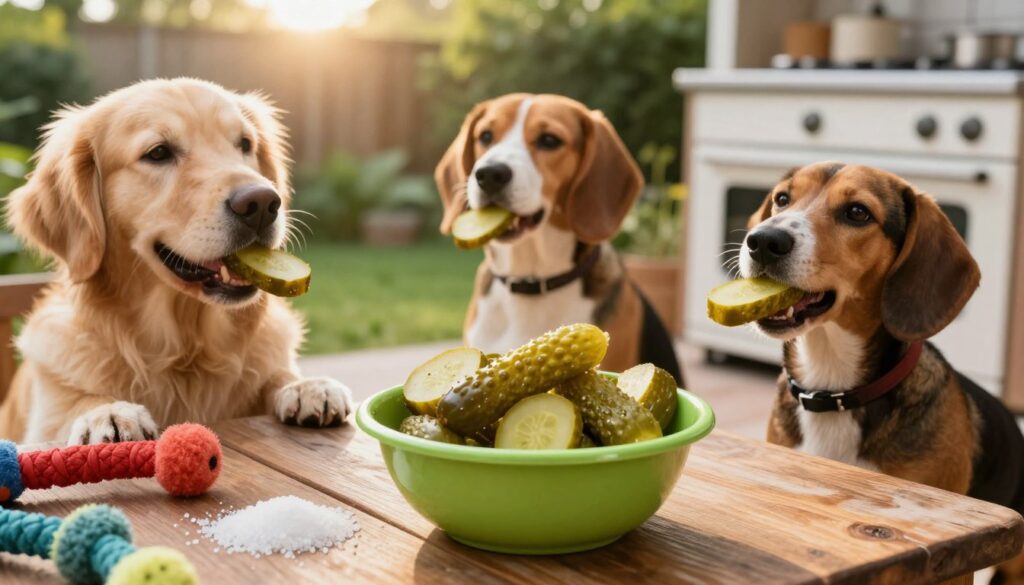
Knowing about sodium toxicity in dogs helps keep them safe. When dogs eat too much salt, they may show signs like:
- Increased thirst and constant drinking
- More frequent urination
- Vomiting and diarrhea
- Loss of appetite and low energy
- Tremors or muscle shaking in severe cases
Dogs with kidney disease or heart problems are at even greater risk from high salt pickle brine. Even a small taste can stress their organs. The high salt and sugar in sweet pickles put extra pressure on their kidneys and heart.
Salt toxicity is serious if your dog swallows pickle brine. Direct contact with high salt brine is the biggest risk. If your dog has health issues, avoid all pickles. Keeping sodium levels safe is crucial for your dog’s health.
Toxic Ingredients and Additives in Sweet Pickles
Sweet pickles have more than just cucumbers and vinegar. They contain additives that can harm your dog. Knowing what’s toxic helps keep your pet safe.
Artificial sweeteners and spices are big concerns. They can upset your dog’s stomach or even be life-threatening. Always watch for signs of trouble.
Xylitol: The Hidden Danger in Sugar-Free Sweet Pickles
Sugar-free pickles often have xylitol, a dangerous sweetener for dogs. It can drop your dog’s blood sugar fast. This can lead to weakness and collapse.
Xylitol also harms your dog’s liver and kidneys. Even a little can be very dangerous. If your dog eats it, call your vet right away.
- Signs of xylitol poisoning appear quickly
- Seizures may occur in severe cases
- Liver failure can develop even after treatment
- Emergency care saves lives
Onions, Garlic, and Other Harmful Spices
Onions and garlic are common in sweet pickles. They can damage your dog’s red blood cells. This can lead to anemia.
Eating just one pickle might not hurt your dog. But eating many can build up toxicity. Other spices can also upset your dog’s stomach.
| Ingredient | Found In Pickles | Effect on Dogs | Risk Level |
|---|---|---|---|
| Xylitol | Sugar-free varieties | Hypoglycemia, liver failure | Critical |
| Onions | Most sweet pickle brands | Red blood cell damage, anemia | High |
| Garlic | Flavored pickle varieties | Hemolytic anemia | High |
| Vinegar | All pickle products | Stomach irritation, vomiting | Moderate |
| Mustard seed | Dill and spiced pickles | Digestive upset, allergies | Moderate |
| Salt | All varieties | Dehydration, electrolyte imbalance | Moderate |
Sweet pickle toxicity in dogs extends beyond basic ingredients to complex additives. Always check labels before giving human food to your dog. Your vet can help with questions about ingredients.
“When in doubt about any food item, contact your veterinarian before offering it to your dog. Prevention is always easier than treatment.”
Keep sweet pickles away from your dog. Store them in sealed jars on high shelves. Teach family members about the dangers. Emergency vet visits are costly and stressful.
What to Do If Your Dog Accidentally Eats Sweet Pickles
Discovering that your dog ate sweet pickle can trigger panic. But knowing the right steps helps you respond effectively. Your reaction depends on several important factors, including how much your dog consumed, their size, and what ingredients the pickle contained.
Start by checking the pickle jar’s ingredient label immediately. Look for xylitol, onions, garlic, or other toxic substances. This information determines your next move and helps you describe the situation accurately to your veterinarian if needed.
Immediate Action Steps
Follow these guidelines based on what your dog consumed:
- If the pickle contained xylitol: Contact an emergency veterinary clinic right away. This artificial sweetener poses serious danger to dogs and requires immediate professional care.
- If it was a regular sweet pickle: Monitor your dog closely for the next 24 to 48 hours for any unusual symptoms.
- If your dog consumed can dogs have sweet pickle juice or brine: Call your veterinarian immediately, as concentrated pickle juice contains extremely high sodium levels that can be dangerous.
Dogs with pre-existing health conditions like kidney disease or heart problems need special attention. Call your regular veterinarian even if your dog only ate a small amount.
Warning Signs to Watch
Monitor your dog for these symptoms over the next two days:
| Symptom | What It Means | Action Required |
|---|---|---|
| Vomiting or diarrhea | Digestive upset from pickle ingredients | Call your vet |
| Excessive thirst and urination | Possible salt toxicity | Call your vet immediately |
| Lethargy or weakness | Serious reaction occurring | Seek emergency care |
| Loss of appetite | Mild to moderate concern | Monitor and call vet if persistent |
| Abdominal pain or whining | Internal discomfort | Contact veterinarian |
When to Call Your Veterinarian
Reach out to your vet or contact the ASPCA Animal Poison Control Center at 888-426-4435 if:
- Your dog is small and ate a large quantity of pickles
- A dog ate sweet pickle emergency occurs and symptoms develop
- You’re unsure what ingredients the pickle contained
- Your dog has existing health conditions
- Your dog consumed pickle juice or brine
Remember that knowing what to do if dog eats pickles puts you in control of the situation. A single small piece of sweet pickle typically won’t harm a healthy dog, but professional guidance ensures your pet stays safe. Always err on the side of caution when your dog’s health is at stake.
Healthy Alternatives to Sweet Pickles for Your Dog
Your dog deserves treats that are tasty and healthy. Luckily, there are many safe options instead of pickles. These treats offer real benefits without the bad stuff in sweet pickles. You can give your furry friend these snacks and keep them happy and healthy.
Fresh Cucumbers: A Better Option
Fresh cucumbers are a great choice for your dog. They have no added salt, sugar, or vinegar. Being mostly water, they help keep your dog hydrated, especially in the summer.
When giving cucumbers to your dog, wash them well and cut them into small pieces. This prevents choking. You can leave the skin on for extra nutrients. Fresh cucumbers offer:
- Low calories for weight management
- Vitamins K, C, and B vitamins
- Natural crunch that many dogs enjoy
- Plaque-reducing benefits for dental health
Other Safe Vegetable and Fruit Snacks
There are many other healthy treats for dogs. These options add variety and prevent boredom. They offer different tastes and textures.
| Treat Option | Key Benefits | Serving Tips |
|---|---|---|
| Apple Slices | Fiber, vitamins A and C, teeth cleaning | Remove seeds and core; serve in moderation |
| Blueberries | High antioxidants, immune support, anti-inflammatory | Feed fresh or frozen as convenient treats |
| Raw Carrots | Beta-carotene, fiber, plaque removal | Cut into appropriate sizes; naturally sweet |
| Green Beans | Vitamins, minerals, low calories | Serve steamed or raw, plain without seasonings |
| Watermelon | Hydration, vitamins, refreshing | Remove seeds and rind completely |
Carrots are also a great choice for dogs. They are sweet and good for their teeth. Chewing on raw carrots helps remove plaque and keeps gums healthy. These treats are perfect for training or as a snack.
Remember, treats should not make up more than 10% of your dog’s daily calories. Mixing these snacks with good dog food ensures your pet gets all the nutrients they need. This way, you avoid the dangers of pickled foods.
Can Puppies Eat Sweet Pickles
Puppies should never eat sweet pickles. Their digestive systems are still growing and are very sensitive. This can harm their health.
Puppies have special dietary needs that owners must follow. They need high-quality puppy food to grow strong. Sweet pickles can mess with how they absorb important nutrients.
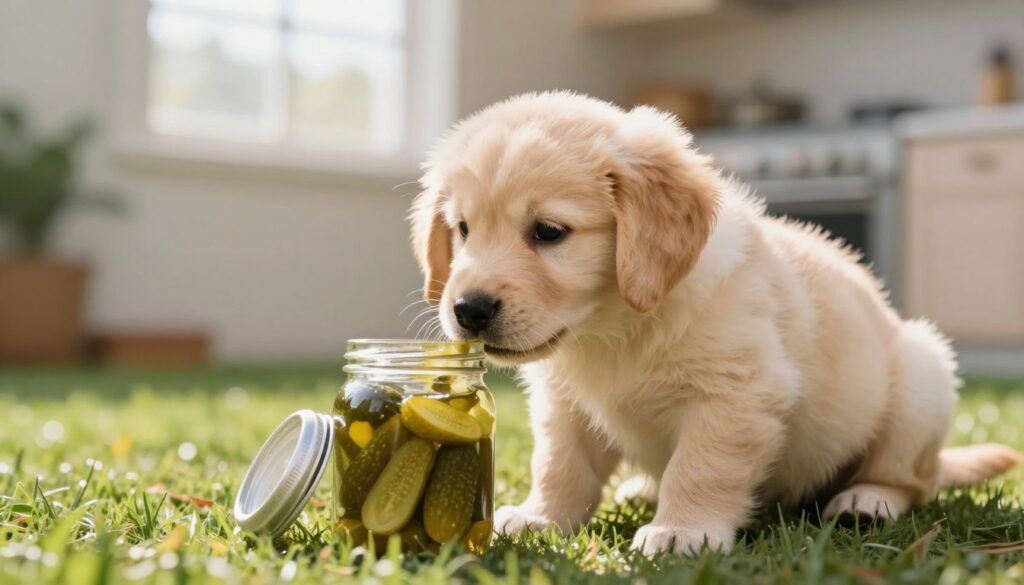
- Puppies weigh much less than adult dogs, so harmful substances affect them more quickly
- Their smaller bodies cannot handle the high salt and sugar in pickles
- Digestive upset during growth can cause serious complications
- Early exposure to human foods creates unhealthy begging habits
Sweet pickles are dangerous for puppies, even more so than for adult dogs. The salt can cause toxicity. The sugar can lead to weight gain. Additives like xylitol can be deadly in small amounts.
Stick to balanced puppy food and vet-approved treats. This helps your puppy grow healthy. Don’t give them human foods. Always check with your vet before adding new foods to their diet.
Conclusion
Can dogs eat sweet pickles? The answer is no. Sweet pickles are not good for dogs. They are made with sugar, salt, and harmful additives.
Your dog’s body can’t handle these ingredients well. Sweet pickles are not safe for dogs. They can cause health problems.
High sugar in sweet pickles can make your dog gain weight and hurt their teeth. Too much salt can harm your dog’s kidneys and heart. Toxic ingredients like xylitol, onions, and garlic can be very dangerous.
Even a small amount can cause serious health issues. Safe dog treats are available. They keep your dog healthy without the risks.
Always talk to your vet before giving your dog new foods. This is crucial if your dog has health issues or allergies. Your vet can help choose the best food for your dog.
Quality dog food should be their main food. For treats, pick vet-approved options or fresh, safe foods. Your vet is the best person to ask about food safety for dogs.
As a pet owner, you need to make smart food choices. Knowing which foods are safe helps protect your dog. If unsure, choose dog treats or fresh veggies and fruits. Always ask your vet about any food concerns.
FAQ
Can dogs eat sweet pickles at all?
No, dogs should not eat sweet pickles. While a small piece might not hurt a healthy dog, they offer no benefits. Sweet pickles have too much sugar, salt, and can have harmful ingredients like xylitol, onions, and garlic. The pickling process makes cucumbers unhealthy for dogs.
Are sweet pickles toxic to dogs?
Sweet pickles are not toxic in small amounts for healthy dogs. But, they can be harmful. The main danger is xylitol, which is very bad for dogs. It can cause low blood sugar, liver failure, and even death.
Onions and garlic in sweet pickles are also bad for dogs. They can damage red blood cells. The high salt and sugar in sweet pickles are also unhealthy for dogs.
What makes sweet pickles different from regular dill pickles?
Sweet pickles have a lot more sugar than dill pickles. This makes them worse for dogs. Both types are pickled in vinegar and salt, but sweet pickles have added sugar. Dill pickles are less sweet but still have too much salt for dogs.
How much sugar is in sweet pickles, and why is it dangerous for dogs?
Sweet pickles have 10-15 grams of sugar per pickle. Dogs can’t handle this much sugar. It can cause stomach problems, thirst, and diabetes. Dogs get no nutritional benefits from sugar.
What are the risks of sodium in sweet pickle brine?
Sweet pickles have a lot of sodium. This is bad for dogs. Too much sodium can cause vomiting, diarrhea, and even death. Dogs with kidney or heart problems are at higher risk.
What is xylitol, and why is it so dangerous in sugar-free sweet pickles?
Xylitol is a sweetener in some pickles. It’s very bad for dogs. It can cause low blood sugar, liver failure, and death. If your dog eats something with xylitol, get help right away.
Do sweet pickles contain onions or garlic that are toxic to dogs?
Yes, sweet pickles often have onions or garlic. These are bad for dogs. They can damage red blood cells. Even a little bit can be harmful.
What should I do if my dog eats sweet pickles?
Check the pickle for xylitol, onions, garlic, or other bad stuff. If it has xylitol, get help fast. For regular sweet pickles, watch your dog for signs of sickness.
Call your vet if your dog acts sick or if they ate a lot. You can also call pet poison hotlines for advice. It’s always better to be safe.
Can puppies eat sweet pickles?
No, puppies should not eat sweet pickles. Their bodies are still growing and can’t handle the bad stuff in pickles. Puppies need special food to grow right.
What is the best alternative to sweet pickles for my dog?
Fresh cucumbers are a great choice. They’re healthy and safe for dogs. They’re full of water, vitamins, and fiber. Just make sure to cut them up right.
What other healthy treats can I give my dog instead of sweet pickles?
You can give your dog apples, blueberries, carrots, green beans, sweet potatoes, and watermelon. Just make sure they’re safe and not too much. Treats should be a small part of their diet.
How do I know if a food is safe to share with my dog?
Always check the ingredients for bad stuff like xylitol or onions. Think about the sodium and sugar too. If you’re not sure, ask your vet. Treats should be safe and healthy for dogs.
Can dogs have pickle juice?
No, pickle juice is bad for dogs. It has too much salt. Even a little can make dogs sick. Don’t give your dog pickle juice.
Why can fresh cucumbers be safe while pickled cucumbers are not?
Fresh cucumbers are safe because they’re just cucumbers. Pickled cucumbers have bad stuff like salt, sugar, and spices. These make pickles bad for dogs.
What are the long-term health effects of regularly giving dogs sweet pickles?
Sweet pickles can cause big problems like obesity, diabetes, and kidney disease. They can also hurt your dog’s teeth and make them sick. It’s better to give them healthy treats.
Are there any dogs that can safely eat sweet pickles?
No dog should eat sweet pickles regularly. Even healthy dogs don’t need them. Puppies, senior dogs, and dogs with health problems are especially at risk.
How can I establish healthy eating habits and prevent my dog from wanting human foods like pickles?
Say no to human food and use dog treats instead. Teach everyone not to give your dog table scraps. Use healthy treats for training and rewards.
Make your dog’s regular food appealing. This way, they won’t beg for bad food. It’s better for their health and training.