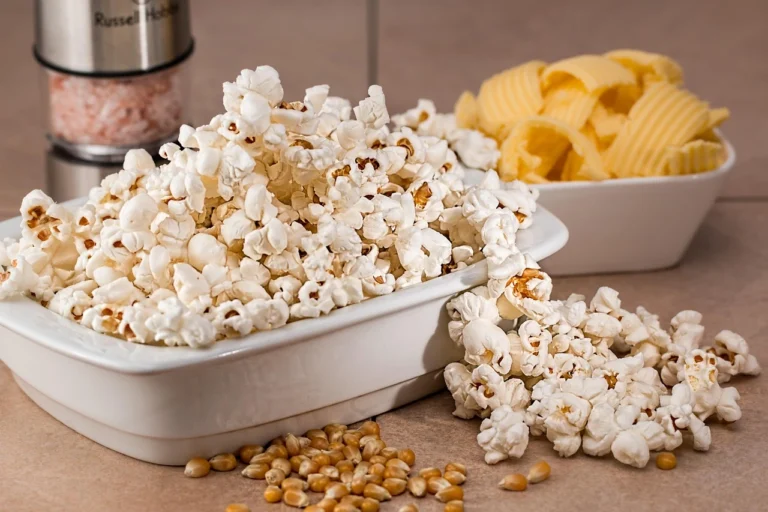

Can Dogs Eat Popcorn? A Complete Guide to Safe Snacking for Your Pet
Movie night is a cherished ritual in millions of households. As you settle onto the couch with your bowl of popcorn, your dog’s nose lifts. Their eyes fix on that fluffy, golden snack. Maybe they’ve caught a kernel that tumbled to the floor, or perhaps they’re giving you that irresistible “please share” look. If you’ve ever wondered whether your furry friend can safely join in on this beloved treat, you’re not alone. The question of can dogs eat popcorn is one of the most common queries pet owners ask, and the answer is more nuanced than a simple yes or no.
The truth is, dogs and popcorn can coexist peacefully—but only under the right circumstances. Understanding what makes popcorn safe or unsafe is essential before you decide to share this snack with your furry companion.
Table of Contents
The Movie Night Snack Question: Why Dogs Are Drawn to Popcorn
There’s something almost magnetic about popcorn to dogs. The “Hoover Effect”—as many pet owners jokingly call it—describes how quickly dogs can vacuum up fallen popcorn kernels during movie nights. This isn’t just greedy behavior; it’s rooted in instinct. The aroma, the texture, and the movement of popcorn trigger your dog’s natural scavenging drives. What smells and looks delicious to humans is equally appealing to canines, even if their nutritional needs tell a different story.
Here’s what you need to know upfront: Yes, can dogs eat popcorn? The answer is yes—but only when it meets very specific conditions. Plain, air-popped popcorn served in strict moderation is the gold standard. Anything beyond that—butter, salt, caramel, cheese, or even the unpopped kernels lurking at the bottom of the bag—can pose serious risks to your pet’s health.
Many pet owners ask: Is popcorn bad for dogs? The truth is nuanced. When you understand the potential dangers and benefits, you can make an informed decision about whether can dogs eat popcorn is the right choice for your individual pet.
Nutritional Breakdown: What Popcorn Actually Offers Dogs
Before diving into the warnings, let’s acknowledge what popcorn does have going for it nutritionally. Contrary to the reputation of movie theater snacks, plain popcorn is actually quite wholesome when prepared correctly.
Essential Minerals for Canine Health
Popcorn is a source of several minerals that support your dog’s bodily functions. Magnesium plays a crucial role in muscle and nerve function, while manganese contributes to bone development and metabolism. Phosphorous works alongside calcium for skeletal strength, and zinc supports immune function and wound healing. These aren’t abundant quantities—popcorn isn’t a primary source of these minerals—but they’re present in meaningful amounts.
Vitamins for Energy and Metabolism
A serving of plain popcorn delivers trace amounts of Vitamin B1 (Thiamine), which aids in converting food into energy and supports nervous system health. Vitamin B2 (Riboflavin) enhances metabolic function. Again, your dog shouldn’t rely on popcorn as a vitamin source, but these compounds contribute to overall nutritional value when popcorn is given appropriately.
Dietary Fiber and Digestive Support
As a whole grain, popcorn offers low-calorie dietary fiber. This can support healthy gut function and promote regular bowel movements, particularly beneficial for dogs prone to constipation. A few pieces of plain popcorn occasionally might actually help with digestive regularity—assuming no other ingredients are involved.
The takeaway: Plain popcorn has some nutritional merit, which is why small amounts aren’t inherently dangerous for most healthy dogs.
When to Say “No”: The Real Dangers
This is where the conversation shifts. While plain popcorn can be tolerated, most popcorn preparations are decidedly not dog-friendly. The risks are serious enough to warrant careful attention. Even specific brands like can dogs eat Skinny Pop popcorn?—the answer is no, because it still contains salt and seasonings that can harm dogs.
The Salt and Butter Problem
Salted popcorn is perhaps the most common culprit. Is popcorn bad for dogs? Absolutely, when salt is involved. Excess sodium can lead to sodium poisoning in dogs, causing dehydration, vomiting, diarrhea, and neurological issues. Butter and oils are equally problematic. These fats can trigger pancreatitis—a painful, potentially life-threatening inflammation of the pancreas that requires emergency veterinary care. Even small amounts of buttered popcorn can be dangerous for dogs with pre-existing pancreatic sensitivity.
The Puppy Consideration: Is Popcorn Bad for Puppies?
Young puppies are especially vulnerable to popcorn-related hazards. Is popcorn bad for puppies? Yes, significantly. Their developing digestive systems are more sensitive to dietary disruptions, and their smaller teeth are more prone to cracking or damage. Additionally, puppies haven’t yet developed the ability to properly chew, making choking hazards much more serious. Veterinarians recommend avoiding popcorn entirely until a dog reaches full adulthood.
Microwave Popcorn Hazards
Most microwave popcorn packets line their interiors with a chemical compound called diacetyl, originally used as a butter flavoring. This chemical can damage the respiratory system when inhaled in concentrated form. While a single piece of microwave popcorn is unlikely to cause acute harm, regular exposure to microwave varieties isn’t worth the risk. The same packets often contain high sodium levels and artificial seasonings that add another layer of concern.
Choking and Dental Dangers
Perhaps the most underestimated risk comes from unpopped and partially popped kernels. Hard, intact kernels are genuine choking hazards, especially for dogs who swallow without chewing. They can also crack teeth, become lodged between molars, or get stuck in the gums or on the tongue—all situations requiring veterinary intervention. Pet owners are often surprised to learn that dental damage from hard kernels can be expensive and painful to treat.
Corn Allergies and Digestive Upset
Corn is a common allergen in dogs, particularly those with sensitive digestion. While popcorn allergies aren’t universal, some dogs develop gas, diarrhea, vomiting, or general stomach upset when corn is introduced. If your dog has a history of corn sensitivities or grain-based allergies, popcorn should be avoided entirely.
How Much Popcorn is Safe? The Expert Serving Guide
If you’ve decided plain, air-popped popcorn is appropriate for your dog, portion control is essential. This is especially true if you’re asking, “Can my dog eat popcorn?” regularly or as part of a weekly rotation.
The 10% Rule: The Golden Standard
All treats—including popcorn—should never exceed 10% of your dog’s total daily calorie intake. The remaining 90% should come from balanced, complete dog food. This ensures your dog receives full nutritional requirements without displacing essential nutrients.
Weight-Based Portion Guidelines
Different-sized dogs have different needs:
- Extra-Small Dogs (2–10 lbs): 1–2 pieces maximum
- Small Dogs (10–25 lbs): 3–5 pieces
- Medium Dogs (25–50 lbs): 5–8 pieces
- Large Dogs (50–90 lbs): 8–12 pieces
- Extra-Large Dogs (90+ lbs): Up to 15 pieces
These guidelines assume plain, air-popped popcorn given once weekly at most. Even within these ranges, observe your individual dog’s reaction. Some dogs tolerate popcorn beautifully; others show digestive upset even from small amounts.
Preparation and Feeding Best Practices
Getting popcorn preparation right is non-negotiable if you choose to offer it. Whether you’re exploring can dogs eat popcorn with butter, can dogs eat caramel popcorn, or keeping it plain, preparation is everything.
Why Flavored Popcorn Doesn’t Work
Can dogs eat popcorn with butter? Absolutely not. Buttered varieties present significant pancreatitis risks. Can dogs eat caramel popcorn? Never. Caramel is high in sugar and can lead to obesity, dental disease, and digestive upset. The simple rule: stick to plain only.
The Only Safe Cooking Methods
Use an air popper, the stovetop with no oil, or a microwave without any seasonings or added fats. Air-popped is ideal because it requires no added ingredients. If using the stovetop, use a covered pot with just enough heat to pop the kernels without oil. Never use commercial microwave packets, butter, oil, salt, or any seasoning whatsoever.
The “Soft-Only” Technique: A Game-Changer
Here’s a pro tip many experienced dog owners swear by: bite off or remove the hard kernel shell and feed only the white, fluffy part to your dog. This eliminates the primary choking hazard and prevents dental damage. Yes, it requires a bit of extra effort—but it transforms popcorn from a risky treat into a genuinely safer option. Your dog won’t notice the difference; they’re interested in the taste and texture of the soft interior, not the shell.
Storage for Freshness
If you prepare dog-safe popcorn ahead, store it in an airtight container at room temperature for up to a week, or freeze portions in an airtight bag for up to a month. This prevents staleness and keeps the treat safe to offer when the craving strikes.
A Real-Life Lesson: Max’s Movie Night Surprise
Sarah, a Golden Retriever owner from Colorado, learned the hard way why preparation matters. During a casual Friday movie night, her golden, Max, snatched a piece of buttered popcorn from a guest who wasn’t paying attention. Sarah panicked, but one kernel seemed harmless enough. Within two hours, Max began showing signs of digestive distress—vomiting and lethargy. By the next morning, she was at the emergency vet’s office, where she learned Max had developed mild pancreatitis, likely triggered by the butter content and fat overload.
The vet prescribed antibiotics, IV fluids, and a strict diet for two weeks. The bill came to nearly $1,200. “I thought one piece of buttered popcorn couldn’t hurt,” Sarah reflected. “Now I’m incredibly careful. Max gets plain, air-popped popcorn once in a blue moon—just the soft part—and nothing else. It’s not worth the risk.”
Max’s story isn’t meant to scare you away from all popcorn; it’s a reminder that the type and preparation matter enormously.
Monitoring Your Dog and Recognizing Problems
After offering popcorn, watch your dog for the next 24 hours. Signs of trouble include:
- Persistent vomiting or retching
- Diarrhea or loose stools lasting more than a few hours
- Lethargy or unusual tiredness
- Abdominal discomfort, panting, or reluctance to move
- Signs of choking or difficulty swallowing
If any of these appear, contact your veterinarian immediately.
Healthier Alternatives to Popcorn
If popcorn simply doesn’t feel right for your dog—or you’d prefer lower-risk options—plenty of vet-approved snacks deliver similar satisfaction:
- Carrot sticks: Crunchy, low-calorie, and naturally cleaning to teeth
- Green beans: Low in calories, high in fiber
- Blueberries: Antioxidant-rich and naturally sweet
- Seedless apple slices: Refreshing and fiber-packed (remove seeds, which contain cyanide compounds)
- Plain, cooked sweet potato: Nutrient-dense and easy to digest
The Final Word
Can dogs eat popcorn? Yes—but with significant caveats. Plain, air-popped popcorn in tiny portions, given occasionally and prepared with the “soft-only” method, poses minimal risk to most healthy adult dogs. The moment you add salt, butter, seasonings, or rely on commercial preparations, the equation changes dramatically.
Your dog’s health and safety should always outweigh the convenience of sharing a movie night snack. If you choose to offer popcorn, do it thoughtfully, carefully, and sparingly. And when in doubt, stick with healthier alternatives that deliver the same joy without the risks.
Your dog’s love language isn’t about what you share from your snack bowl—it’s about the time you spend together. A few pieces of plain popcorn might make that movie night feel more inclusive, but your full attention and affection will always be the treat they treasure most.
Word Count: 1,247 words
FAQ
Is popcorn safe for dogs to eat?
Plain, air-popped popcorn is okay for dogs in small amounts. But, avoid butter, salt, or other seasonings. They can harm your pet. Always check with your vet before giving your dog new foods.
How much popcorn can I give my dog?
It depends on your dog’s size and weight. Treats should not be more than 10% of their daily calories. Small dogs can have a few pieces, while bigger dogs can have a bit more. Start with a small amount and watch for any bad reactions.
What types of popcorn are dangerous for dogs?
Stay away from these types of popcorn:
– Buttered popcorn
– Caramel or sweet-flavored popcorn
– Heavily salted popcorn
– Microwave popcorn with artificial flavors
– Popcorn with cheese or other seasonings
These can cause stomach problems, sodium poisoning, or have toxic ingredients.
What should I do if my dog accidentally eats a lot of popcorn?
Watch for signs of trouble, like:
– Vomiting
– Diarrhea
– Feeling very tired
– Trouble breathing
If you see these signs or if your dog ate a lot of flavored popcorn, call your vet right away.
Are there any health benefits to giving dogs popcorn?
Plain popcorn has some good stuff, like:
– B vitamins
– Fiber
– It’s low in calories
But, these benefits are small. Popcorn should not be a main part of your dog’s diet. It’s best as an occasional, tiny treat.
Can popcorn kernels be a choking hazard for dogs?
Yes, kernels can be a big risk for dogs. Make sure to remove all kernels before giving popcorn. Watch your dog while they eat to avoid choking or dental problems.
Are there better snack alternatives to popcorn for dogs?
Yes, there are healthier options, like:
– Carrot sticks
– Apple slices (without seeds)
– Cucumber
– Blueberries
– Dog treats made for their diet
These are safer and more nutritious for your dog.