Can Cats Eat Sardines in Olive Oil? What to Know
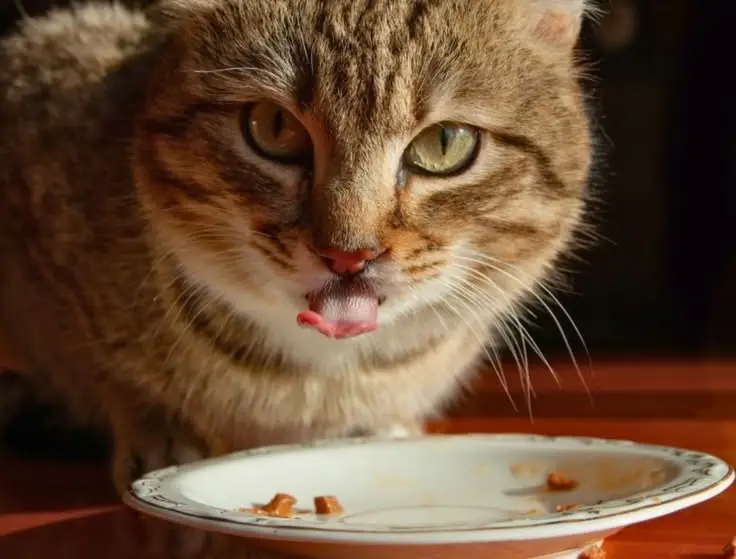
You open a tin of sardines for dinner, and your cat shows up. The smell of fish draws them in. You might think sharing a bite is a good idea.
Sardines are very appealing to cats because of their smell and taste. Cats love the protein and nutrition in these small fish. They have a strong preference for umami, found in oily fish like sardines.
But, it’s not always safe for cats to eat sardines. The answer depends on how they are prepared and how often they are given. The type of packaging is also important.
Too much olive oil can upset your cat’s stomach or even cause pancreatitis. Many canned sardines have too much salt, which is bad for their health over time. Your cat’s health, how often you feed them, and how you prepare the sardines are all key to their safety.
This article will help you understand why sardines in water are better for treats. You’ll learn how to prepare them right and how often it’s safe for your cat to eat them. This knowledge will help you make better choices for your cat’s diet and health.
Table of Contents
Can Cats Eat Sardines in Olive Oil
No, sardines in olive oil are not good for your cat. Sardines have quality protein and fatty acids like EPA and DHA. But, the olive oil packaging is a big problem. Cats can’t handle extra calories and oils like humans do.
Many pet owners think fish is good for their cat’s skin and health. They give their cats canned sardines in olive oil. But, this can cause real health issues. For example, Maria’s cat Luna got sick after eating these sardines. Luna had vomiting, loose stools, and stopped grooming. Blood tests showed liver and sodium problems, and an ultrasound found pancreatic issues.
Understanding the Basics of Sardines for Felines
Sardines are good for cats. They have omega-3 fatty acids and lean protein. These nutrients help muscles. But, cats should only eat them in small amounts without added ingredients.
- Sardines contain taurine, essential for heart health in cats
- EPA and DHA support brain and eye function
- High protein content aids muscle maintenance
Why Olive Oil Changes the Equation
The oil in sardines in olive oil is a big problem. These sardines are full of fat and calories. Olive oil is not bad for cats, but together, they cause dietary imbalances.
Cats can’t handle the extra fat like humans do. This leads to inflammation, stress on the pancreas, and metabolic problems. These issues get worse over time.
The Nutritional Profile of Sardines for Cats
Feeding your cat sardines is a great choice. They are packed with omega-3 fatty acids, vitamin D, selenium, and high-quality protein. These nutrients support your cat’s health in many ways.
Your cat needs high-quality protein for strong muscles and energy. Sardines provide this protein, making them a good choice for whole-food nutrition. They also have omega-3 fatty acids that help with skin, coat, and joint health.
Sardines have EPA and DHA, which are good for your cat’s heart and brain. They also have taurine, but it’s not enough for your cat’s daily needs. So, sardines should not be the only protein your cat eats.
| Nutrient | Benefits for Your Cat | Health Impact |
|---|---|---|
| Omega-3 Fatty Acids | Skin and coat health | Reduces inflammation, improves fur quality |
| Vitamin D | Bone strength and immune function | Supports calcium absorption and immunity |
| Selenium | Immune health and normal bodily function | Acts as an antioxidant, protects cells |
| High-Quality Protein | Muscle maintenance and energy | Essential for daily activity and growth |
| Vitamin B12 | Cognitive function and nerve health | Supports brain vitality and metabolism |
| Calcium | Bone and skeletal strength | Works with vitamin D for bone health |
Sardines offer essential nutrients in small amounts. They help with bone strength, immune health, and normal bodily function. Your cat’s skin and brain health depend on these nutrients.
The omega-3 fatty acids in sardines support your cat’s heart and joints. Feeding your cat sardines means giving them nutrients that work together for health.
Why Sardines Are Gaining Popularity Among Cat Owners
Cat owners are now choosing whole foods for their pets. This change reflects a new way of thinking about animal nutrition. They want to give their cats meals that are more natural, not just processed cat food.
Whole foods are appealing because they are simple. Pet parents want foods with no artificial additives. When you open a can of sardines, you see the real fish. This makes pet owners trust the natural nutrition they’re giving their cats.
The Whole-Food Movement in Pet Nutrition
The whole-food movement has changed how we feed our cats. Pet wellness blogs suggest adding fresh or lightly processed foods. Seafood like sardines, salmon, or mackerel is often recommended because it’s recognizable and has texture.
This movement values quality over convenience. You’re choosing foods with texture instead of mystery meat in kibble. This appeals to both cats and their owners who want to know what they’re feeding their pets.
Social Media Influence on Feeding Practices
Social media, blogs, and influencers have made sharing human meals with cats common. Many viral videos show cats eating sardines from the can. This has spread quickly on platforms like Instagram and TikTok.
Pet influencers show these feeding practices to thousands every day. Their content makes sardine feeding seem simple, healthy, and rewarding. What you see online can shape your idea of what’s best for your cat, even if vets might advise caution.
- Instagram cat accounts showcase sardine meals regularly
- TikTok videos of cats eating fish get millions of views
- Pet wellness blogs rank high in search results for “cat nutrition”
- YouTube pet channels feature sardine feeding tutorials
This social influence has real effects. A practice that could harm a cat’s stomach becomes common through repeated exposure. The enthusiasm is real, but the health risks are often ignored in viral content.
Sardines in Olive Oil vs. Sardines in Water: Key Differences
When you’re shopping for sardines for your cat, you’ll see two main types. Knowing the difference helps you pick the safest option for your pet. The liquid they’re packed in is more important than you might think.
Sardines in olive oil add extra fat to your cat’s diet. Olive oil isn’t harmful, but it makes the sardines more calorie-dense. Even the extra-virgin types add empty calories without any nutritional benefits for cats.
Water-packed sardines are a better choice for your cat. They are lower in fat, have less sodium, and are easier to digest. These sardines have fewer fats and less sodium than those in oil or brine.
What to Look for When Buying
Always pick varieties with “no added salt” and rinse them before serving. This removes any sodium that could upset your cat’s stomach.
- Look for wild-caught, bone-in sardines packed in spring water
- Check labels specifically for “no salt added”
- Rinse the sardines under clean water before serving
- Avoid any sardines with added herbs or spices
Comparing Your Options
| Sardine Type | Fat Content | Sodium Level | Risk Level | Recommended Portion | Feeding Frequency |
|---|---|---|---|---|---|
| Wild-caught, bone-in in spring water (no salt added) | Lower | Minimal | Low Risk | 1 teaspoon | 1-2 times weekly |
| Sardines in olive oil (unsalted, no herbs) | Higher | Moderate | Moderate Risk | ½ teaspoon | Once weekly (lean, healthy cats only) |
| Sardines in vegetable oil or brine | Moderate to High | High | Moderate to High Risk | Not recommended | Avoid |
The table shows clear differences in safety between the options. Water-packed sardines are safer for your cat. The fat in olive oil adds calories your cat doesn’t need, and the salt in brine can harm their kidneys.
Choosing the right option starts at the store. Your cat will enjoy the sardine meat whether it’s in olive oil or water. But, their digestive system will be happier with the water-packed option.
Understanding the Risks of Olive Oil for Cats
Sardines are good for cats, but the olive oil they’re packed in is not. Many pet owners don’t know that this treat can cause serious health issues. Knowing these risks helps you choose better food for your cat.
High Fat Content and Digestive Concerns
Olive oil has a lot of fat that cats can’t easily digest. Cats are meant to eat lean meat, not fatty oils. When cats eat sardines in olive oil, it can upset their stomach and intestines.
A 2022 study showed that 68% of cats eating sardines daily got sick within 10 days. They might vomit, have loose stools, or lose their appetite. They might also feel uncomfortable in their stomach.
Regularly eating sardines in olive oil can also make cats gain weight. This is especially true for indoor cats that don’t get much exercise. Being overweight can make it hard for cats to move and can hurt their joints.
Pancreatitis and Long-Term Health Implications
The biggest worry is pancreatitis. The fat in olive oil can cause this serious condition. Pancreatitis makes the pancreas inflamed, which is bad for digestion.
There’s a case where eating sardines in olive oil every day made a cat very sick. The cat had vomiting, loose stools, and problems with its liver and pancreas. The vet said the olive oil was too much for the pancreas and the sodium was bad for the kidneys.
| Health Condition | Symptoms to Watch | Risk Level |
|---|---|---|
| Digestive Upset | Vomiting, diarrhea, stomach pain | High with daily feeding |
| Pancreatitis | Loss of appetite, lethargy, abdominal pain | Severe with chronic use |
| Liver Stress | Elevated liver enzymes, jaundice | Moderate over time |
| Kidney Strain | Excessive thirst, changes in urination | Moderate with high sodium |
If pancreatitis happens, your cat needs vet care and might have to eat special food forever. Avoiding these problems by choosing the right food can save your cat from a lot of pain and cost.
Sodium Content and Its Impact on Feline Health
Feeding your cat sardines means watching sodium levels. Too much sodium can harm your cat’s health over time. Most canned sardines are made for humans, not cats. Cats can’t handle as much salt as people do.
Sodium affects three key areas in your cat’s body:
- Kidneys – Must filter and remove excess salt, creating strain
- Cardiovascular system – High sodium contributes to elevated blood pressure
- Urinary tract – Excess sodium can worsen existing urinary problems
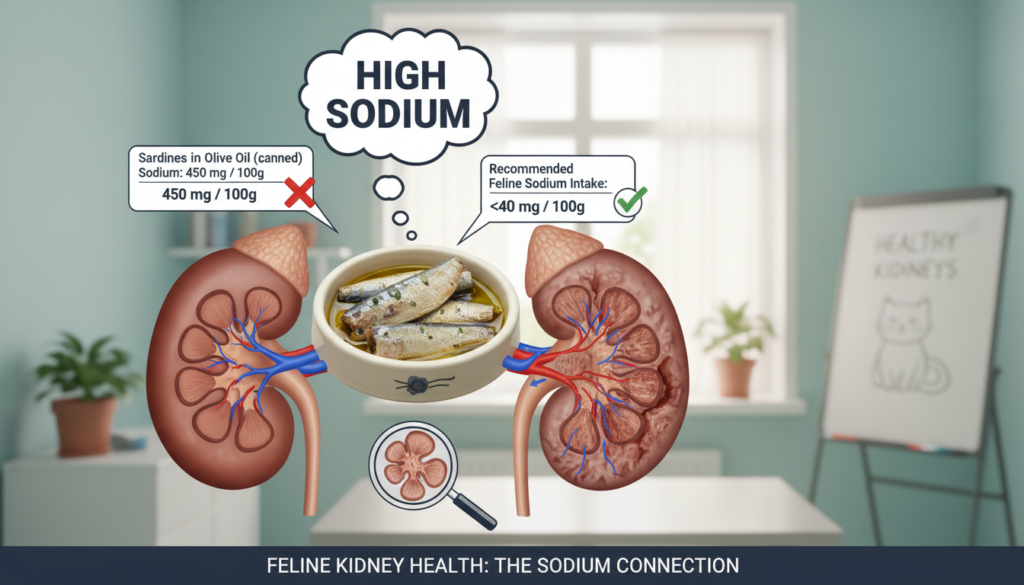
Cats with kidney disease, heart issues, or urinary problems need extra care. The sodium in sardines can harm their kidneys and heart, especially in older cats. Sardines in brine are too salty for cats and should be avoided.
Choose “no salt added” labels when shopping. Keep sodium below 100mg per serving for cats. Reading labels helps keep your pet healthy in the long run.
Be careful of hidden sodium sources. Even “natural flavors” can be harmful. Some brands use potassium chloride or yeast extract, which add more minerals. A 2022 study found 22% of cats showed early signs of sodium-induced hypertension from eating sardines.
| Sardine Type | Sodium Per 100g | Safe for Cats? |
|---|---|---|
| Sardines in Brine | 500-700mg | No – Avoid Entirely |
| Sardines in Water | 300-450mg | Only if Rinsed Well |
| Sardines in Oil (No Salt) | 150-200mg | Limited Use Only |
| Fresh Sardines | 75-100mg | Safest Option |
Always rinse water-packed sardines before serving to cut down sodium. Cats are small, so even a little salt is a big deal. Managing sodium is just as important as managing fat when feeding sardines to cats.
Mercury and Heavy Metal Considerations in Sardines
Feeding your cat sardines? You need to know about mercury and heavy metals. Sardines have less mercury than big fish like tuna or swordfish. This is because they are small and live short lives, eating less contaminated food.
But, it’s not safe to ignore the mercury in sardines. A 2023 FDA study found mercury in 94% of sardine samples. While it’s safe for humans, cats process mercury differently.
Why Sardines Rank Lower in Mercury
Sardines have less mercury because they are small and eat plankton. This means they don’t get as much mercury as bigger fish do.
Even occasional sardine meals can be a problem. Cats take longer to get rid of mercury because of their slower detox process.
Cumulative Exposure Risks for Cats
Slow mercury removal in cats is a big concern. Eating sardines often can lead to mercury buildup. This is why sardines should not be a regular part of their diet.
Long-term, low-level mercury exposure can harm your cat’s kidneys. Your vet can check for kidney problems, but damage might already be done.
Remember, it’s not just how much sardines your cat eats, but how often. Make sardines an occasional treat to keep mercury risks low.
How to Safely Prepare Sardines for Your Cat
Preparing sardines for your cat needs careful steps. It’s important to make them safe and nutritious. Always talk to your vet before giving sardines to your cat.
Here’s a simple guide to prepare sardines safely:
- Check the label and pick the safest option. Look for plain sardines without seasonings or salt. Wild-caught Pacific or Atlantic sardines in spring water are best. Try to avoid oil-packed ones.
- Drain and rinse well. Empty the liquid from the can and rinse the sardines under cool water for 15 seconds. This cuts down sodium and removes salt. If you have oil-packed sardines, drain them and blot with paper towel to lessen oil.
- Check for bones carefully. Remove any sharp or large bones by hand. This makes your cat safer from choking.
- Use measuring spoons to portion. Flake the sardines into small pieces that fit your cat’s size. This helps control how much they eat.
Start small when introducing sardines to your cat’s diet. Begin with ¼ teaspoon mixed into their regular food. Watch for 24 hours for any signs of sickness. This slow introduction helps your cat’s body adjust and lets you see if they’re sensitive.
By following these steps, you can make sardines safe and healthy for your pet.
Recommended Portion Sizes and Feeding Frequency
It’s important to know how much sardines your cat can safely eat. Many cat owners find it hard to control portions when introducing new foods. The right amount depends on your cat’s weight and follows science-backed guidelines.
Weight-Based Portion Guidelines
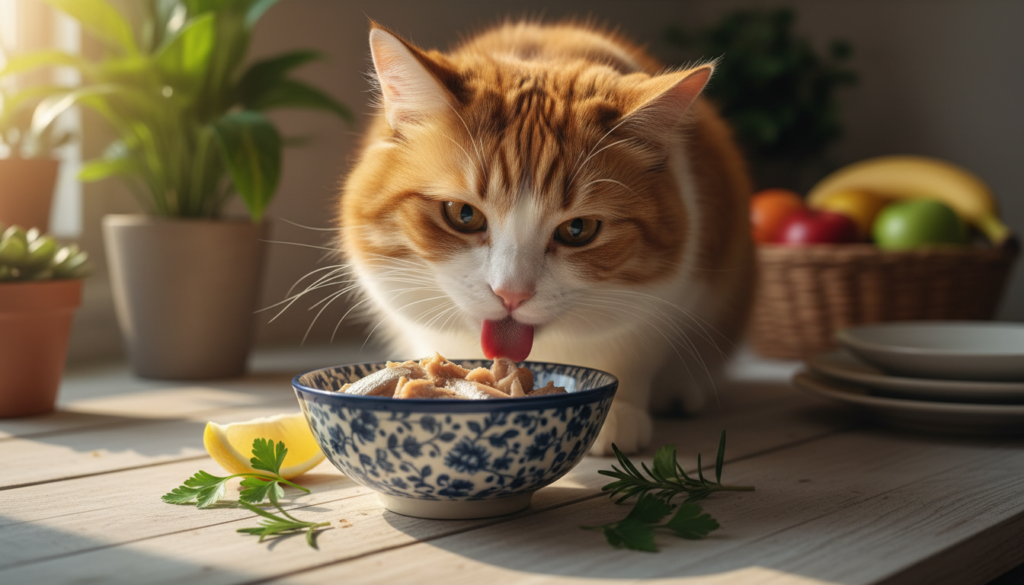
Start with your cat’s weight to figure out safe sardine portions. A general rule is one teaspoon to one tablespoon per 10 lbs of body weight. For cats weighing 5-10 pounds, give ½-1 tsp (3-5 g) per serving.
For cats over 12 pounds, the max is 1¼ tsp (6 g). These exact amounts are crucial because small changes can affect your cat’s fat and sodium intake.
Always use a measuring spoon to avoid overfeeding. Measuring tools give accurate results, unlike guessing. Healthy adult cats should get one small sardine no more than once a week. This makes sardines an occasional treat, not a regular part of their diet.
| Cat Weight | Portion Size | Gram Amount | Serving Type |
|---|---|---|---|
| 5-10 lbs | ½-1 tsp | 3-5 g | Small sardine piece or flaked meat |
| 11-15 lbs | 1-1¼ tsp | 5-6 g | One small sardine or flaked portion |
| 16+ lbs | 1¼ tsp maximum | 6 g maximum | Small sardine portion or flakes |
Spacing Out Sardine Treats Properly
How often you give sardines is just as important as how much. Never give more than two servings a week. Make sure to space them at least 5 days apart to help your cat digest the fats and oils.
Maximum once or twice a week is best. This allows your cat’s system to digest between treats. It prevents digestive upset and reduces sodium and other compound exposure.
Keep track of when you feed your cat sardines. Use a notebook or app for this. It’s especially important if multiple people feed your cat. This way, you avoid giving sardines too often.
- Use a dedicated pet nutrition app to record sardine feedings
- Keep a notebook on your refrigerator for quick logging
- Set phone reminders for when sardines were last served
- Share feeding records with other household members
- Review weekly to ensure you’re staying within guidelines
Occasional means not just skipping sardines at some meals. Following these guidelines helps keep your cat safe from too much fat and sodium. These rules are based on science and help keep your cat healthy in the long run.
Better Alternatives to Sardines in Olive Oil
If you want to give your cat a fish-based treat without the drawbacks of olive oil, several options exist that provide excellent nutrition. Your cat deserves foods that support their health without unnecessary fats or sodium. Understanding what works best helps you make informed choices about your pet’s diet.
Sardines in water (unsalted) represent one of the most reliable choices for your feline friend. These options cost between $1.20 to $2.50 per can and deliver low mercury levels paired with high omega-3 content. Your cat gets the nutritional benefits without the excess oil that causes digestive problems.
Canned salmon in water offers another solid option. Priced at $2.00 to $4.00 per can, canned salmon in water proves palatable and rich in DHA, though it carries a higher mercury risk than sardines. Use this selection sparingly and monitor your cat’s intake.
Consider these additional fish options for your cat:
- Frozen raw sardines (whole) at $3.00 to $5.00 per pound offer fresh nutrition with no preservatives, though they require thawing before serving
- Tuna in water (no salt) costs $1.00 to $2.00 per can and ranks as highly palatable, but mercury accumulation presents a real concern with frequent feeding
- Commercial fish-flavored wet food at $0.80 to $1.50 per can delivers balanced nutrition specifically formulated for cats
- Anchovies and mackerel serve as excellent low-mercury fish alternatives when plain and unseasoned
| Fish Option | Price Range | Mercury Level | Key Benefits | Best For |
|---|---|---|---|---|
| Sardines in Water (Unsalted) | $1.20–$2.50/can | Low | High omega-3, low mercury | Regular treats |
| Canned Salmon in Water | $2.00–$4.00/can | Higher | Rich in DHA, palatable | Occasional treats |
| Tuna in Water (No Salt) | $1.00–$2.00/can | Higher | Highly palatable | Infrequent treats |
| Frozen Raw Sardines (Whole) | $3.00–$5.00/lb | Low | Fresh, no preservatives | Raw food diets |
| Commercial Fish-Flavored Wet Food | $0.80–$1.50/can | Controlled | Balanced nutrition | Daily meals |
Tuna should be limited due to higher mercury levels that build up in your cat’s system over time. Fish like anchovies and mackerel work best when plain and unseasoned, avoiding added oils and salt that harm your pet.
Commercial fish-flavored wet food presents a smart middle ground. These products come formulated specifically for cats, balancing omega-3 fatty acids with appropriate sodium levels. Your cat gets fish flavor without the risks of whole fish preparations.
“The best treat is one that nourishes without compromising your cat’s long-term health,” according to feline nutrition specialists.
Start by rotating between these options rather than relying on a single fish source. This approach reduces mercury exposure while keeping your cat interested in their meals. Introduce any new food gradually over several days to avoid digestive upset.
Your cat’s individual health status matters. Some pets tolerate certain fish better than others. Watch for signs of upset stomach or allergic reactions when trying new options. When in doubt, consult your veterinarian about which alternatives best suit your specific cat’s needs and dietary requirements.
When Sardines Should Be Avoided Completely
Not all cats can safely eat sardines in olive oil. Your cat’s health status is key in deciding if this treat is right. Some medical conditions and life stages make sardines bad or even dangerous for your cat. Knowing these limits helps keep your cat healthy and avoid serious health problems.
Cats with Kidney Disease or Hypertension
Cats with kidney disease, heart issues, or urinary problems need careful food choices. If your cat has chronic kidney disease, sardines are risky. Their kidneys can’t handle the sodium and protein in sardines, leading to fluid buildup and kidney damage.
Cats with hypertension face high blood pressure from too much sodium. If your cat has IBD, pancreatitis, or hypertension, sardines are not safe. Even rinsed sardines have enough salt to harm these cats. Always talk to your vet about your cat’s diet.
- Chronic kidney disease (CKD)
- High blood pressure (hypertension)
- Heart disease
- Inflammatory bowel disease (IBD)
- Previous pancreatitis episodes
- Urinary tract issues
Kittens and Senior Cats Considerations
Kittens under 6 months are very sensitive to sodium and heavy metals. Their digestive system reacts badly to sudden changes in fat or oil. This can cause long-term digestive problems and nutritional imbalances.
Kittens and senior cats have trouble with rich or salty foods. Senior cats with kidney problems are at higher risk from sardines. Their kidneys can’t filter out excess sodium as well as they used to. Even healthy senior cats have a harder time with diet changes.
The following table outlines age and condition-based risk levels:
| Cat Category | Risk Level | Primary Concern | Recommendation |
|---|---|---|---|
| Kittens under 6 months | Critical | Immature kidney and liver function | Avoid completely |
| Senior cats (7+ years) | High | Declining kidney function | Avoid or consult veterinarian |
| Cats with kidney disease | Critical | Sodium and protein sensitivity | Avoid completely |
| Cats with hypertension | Critical | Sodium-induced blood pressure spikes | Avoid completely |
| Cats with pancreatitis history | Critical | Fat content triggers recurrence | Avoid completely |
Your vet can suggest safe alternative treats for your cat. This ensures your cat gets the right nutrition without risks.
Always put your cat’s health first, not trendy treats. If unsure, talk to your vet before adding new foods to your cat’s diet.
Conclusion
If you own a cat, you don’t have to worry too much about giving them sardines. They are safe for cats if given in small amounts and prepared right. But, sardines shouldn’t be the main food for your cat.
Sardines have good stuff like protein and omega-3 fatty acids that cats need. But, they can be bad if you give too much or the wrong kind. Giving sardines as an occasional treat keeps your cat healthy and happy.
Feeding sardines to your cat is okay, but it’s a big responsibility. It’s about knowing when and how much to give. By following the tips in this article, you can give your cat a tasty treat that’s also good for them.
FAQ
Are sardines safe for cats to eat?
Yes, sardines can be safe for cats if prepared right. They are packed with omega-3 fatty acids, protein, and minerals like calcium and phosphorus. But, it’s important to choose plain sardines in water or without additives.
Sardines in olive oil should be given with caution. The fat in olive oil can upset your cat’s stomach and cause digestive issues.
Can cats eat sardines in olive oil specifically?
Sardines in olive oil are not the best choice for cats. While olive oil isn’t toxic, the fat can be a problem. It can lead to stomach upset, weight gain, and pancreatitis in cats.
For sardines, choose the ones packed in water or salt water. Always drain the liquid before giving them to your cat.
What’s the nutritional benefit of sardines for cats?
Sardines are great for cats because they are full of protein, omega-3 fatty acids, and minerals. These nutrients help with muscle health, joint health, and coat health. They also support heart health and brain function.
But, sardines should not be the main part of your cat’s diet. They should be a treat.
Why are sardines becoming popular among cat owners?
More cat owners are choosing sardines because they want natural, healthy food for their pets. Social media has also helped spread the word about the benefits of fish for cats. It shows how cats should eat like their wild ancestors.
What’s the difference between sardines in olive oil and sardines in water?
Sardines in water are leaner and easier for cats to digest. They are safer for regular eating. Sardines in olive oil have more fat, which can upset a cat’s stomach and increase the risk of pancreatitis.
Water-packed sardines keep the good stuff without the extra fat.
How does olive oil affect cats’ digestive health?
Olive oil can cause stomach problems in cats. It can lead to diarrhea or constipation. Cats can’t digest fat as well as humans, which can cause obesity and pancreatitis.
What is pancreatitis and why should cat owners be concerned?
Pancreatitis is inflammation of the pancreas. It can be mild or severe. High-fat foods like sardines in olive oil can trigger it in cats.
This condition causes pain, nausea, and vomiting. It can become chronic and require lifelong care.
How much sodium in sardines is too much for cats?
Most canned sardines have too much sodium for cats. Too much salt can lead to high blood pressure and kidney problems. Older cats or those with kidney disease should avoid sardines.
Always rinse sardines before serving, or choose low-sodium options.
Are sardines high in mercury and heavy metals?
Sardines have low mercury levels compared to other fish. Their small size and short lifespan mean they absorb fewer toxins. But, regular feeding of sardines can still be a concern for older cats or those with kidney issues.
What’s the safest way to prepare sardines for your cat?
Choose canned sardines in water without added salt. Drain the liquid and rinse the sardines under fresh water. Remove bones, skin, and any seasonings.
Serve at room temperature in small portions. Avoid sardines with garlic, onions, or other additives.
How much sardine should you feed your cat?
The amount depends on your cat’s size and caloric needs. Sardines should not make up more than 10% of your cat’s daily calories. For a 10-pound cat, this is about one small sardine once or twice a week.
Larger cats may need more, but overweight or senior cats should get less.
How often can you safely give sardines to your cat?
Healthy adult cats can have sardines once or twice a week. Cats with sensitive stomachs may need them less often. Don’t give sardines daily to avoid too much sodium and fat.
Watch for signs of upset stomach and adjust feeding accordingly.
What are better alternatives to sardines in olive oil?
There are safer fish options like plain cooked salmon or white fish. Canned tuna in water and freeze-dried fish treats are also good. Non-fish protein sources like chicken or turkey are also safe.
Commercial cat treats are often a better choice than sardines in oil. Your vet can suggest the best options for your cat.
Should cats with kidney disease eat sardines?
Cats with kidney disease should not eat sardines. The high phosphorus and sodium can worsen their condition. Cats with kidney problems need a special diet with controlled minerals.
If your cat has kidney disease, talk to your vet before giving them any new foods.
Are sardines appropriate for cats with hypertension?
No, sardines are not good for cats with high blood pressure. The sodium in sardines can make their blood pressure worse. Cats with hypertension need a low-sodium diet.
Ask your vet about special diets or treats for cats with high blood pressure.
Can kittens eat sardines?
Kittens can have small amounts of plain sardines in water, but they’re not the best choice. Kittens need a balanced diet for growth, and sardines should not be a big part of it.
Wait until your kitten is at least 6 months old before giving them sardines. Always check with your vet before introducing new foods.
Are sardines safe for senior cats?
Senior cats can have small amounts of plain sardines if they’re healthy. But, older cats often have kidney disease or high blood pressure, making sardines risky. Senior cats should also watch their weight, as high-fat foods can be bad for them.
Before giving sardines to your senior cat, get bloodwork to check their health. If everything looks good, they can have sardines as an occasional treat.
What warning signs indicate your cat has reacted poorly to sardines?
Look for signs like vomiting, diarrhea, constipation, or loss of appetite after giving sardines. Also, watch for lethargy, abdominal pain, or changes in litter box behavior.
If symptoms last more than 24 hours or get worse, call your vet. Some cats may develop fish allergies, causing itching or skin problems. Stop giving sardines if your cat shows any bad reactions and talk to your vet about other options.
Should you rinse canned sardines before feeding them to cats?
Yes, rinsing is crucial. It removes excess sodium and oil from the sardines. This makes them safer for your cat. Pat the sardines dry with a paper towel to reduce fat content further.
Can sardines cause allergic reactions in cats?
While rare, fish allergies can happen in cats. Some cats may react to fish proteins, causing itching, skin problems, or stomach issues. Start with small amounts of sardines and watch for any bad reactions.
If your cat has had food allergies before, talk to your vet before giving them sardines. Keep a record of any changes in your cat’s health after eating sardines.
How do sardines compare nutritionally to commercial cat foods?
Sardines have better protein and omega-3 fatty acids than many cat foods. But, they don’t have the balanced nutrition that commercial cat foods do. Sardines should be treats, not the main food.
Commercial cat foods are made to meet specific nutritional standards. They are the best choice for your cat’s main diet.
Are there any cats that absolutely cannot eat sardines?
Yes, cats with kidney disease, high blood pressure, pancreatitis, fish allergies, or on special diets should not have sardines. Cats with severe stomach problems or diabetes also need to avoid them.
Overweight cats should not have sardines because of their high calories. Always check with your vet before giving sardines to any cat with health issues.
What should you do if your cat accidentally eats sardines in olive oil?
Don’t worry if your cat eats a small amount of sardines in olive oil. Just watch them for 24-48 hours for any stomach problems. Most cats can handle a small amount without issues.
If your cat eats a lot or shows bad symptoms, call your vet. Keep track of how much your cat ate to tell your vet if needed.
How can you tell if sardines are appropriate for your specific cat?
The best thing to do is talk to your vet. Discuss your cat’s health, age, and any conditions they have. Your vet can tell you if sardines are safe for your cat.
They can also suggest the right amount and how often to give them. Some cats can have sardines, but others should avoid them. Your vet will help you make the right choice.