People Fear These Big Scary Dog Breeds, But They’re Loyal Protectors
Table of Contents
Everyone Stepped Back… Except a Little Girl
Everyone stepped back when they saw him.
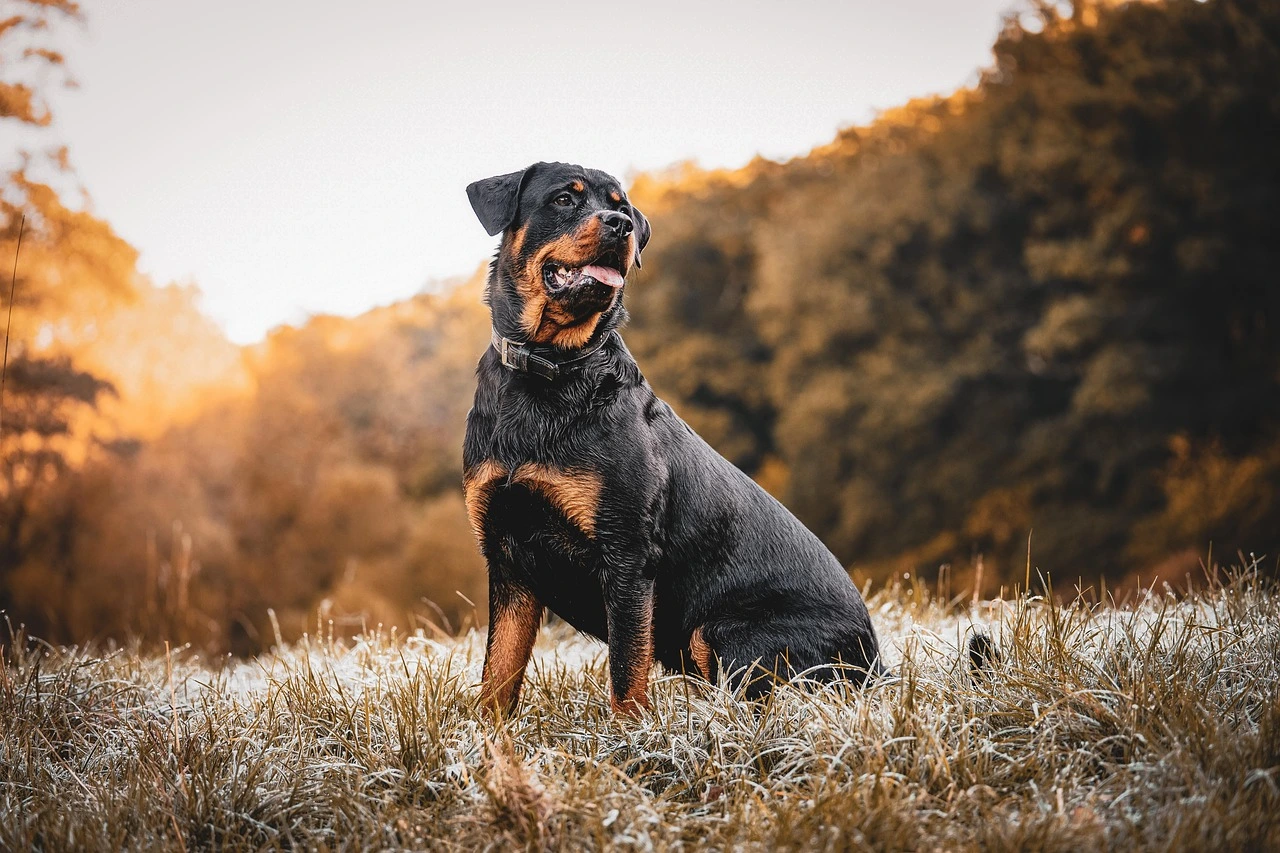
A massive Rottweiler… silent… watching.
No one dared to come closer.
Except a little girl.
She ran straight toward him… hugged him… and smiled.
And the “scary dog” everyone feared?
He gently lowered his head… and stayed still… like he was protecting something precious.
👉 That’s the moment most people get wrong about big scary dog breeds.
They don’t see the loyalty.
They don’t see the love.
They only see the size… and assume the worst.
Why People Fear Big Scary Dog Breeds
People immediately imagine:
- Aggressive dogs 😡
- Dangerous ⚠️
- Not family-friendly
But the truth is different.
👉 Most of these dogs are calm, thoughtful, and protective—but not reckless.
What Makes These Dogs “Scary”?
Mostly their appearance.
Most big scary dog breeds have:
- Muscular, strong bodies
- Large size (80–150+ lbs)
- Deep, commanding bark
- Sharp, alert eyes
But this is not aggression—it’s protection.
Natural Guarding Instinct
Imagine this:
It’s 2 AM. The house is silent.
Your dog is already awake, watching the door.
Before you hear anything, your dog senses movement.
👉 That’s instinct.
Big scary dog breeds don’t attack first—they observe.
Intelligence and Trainability
These dogs aren’t just strong—they’re smart.
With training, they can:
- Recognize real threats
- Follow complex commands
- Stay calm instead of reacting aggressively
- Build emotional bonds with their owners
📌 Example: A trained German Shepherd ignores a passerby but reacts immediately if someone is suspicious.
Most Popular Big Scary Dog Breeds
German Shepherd
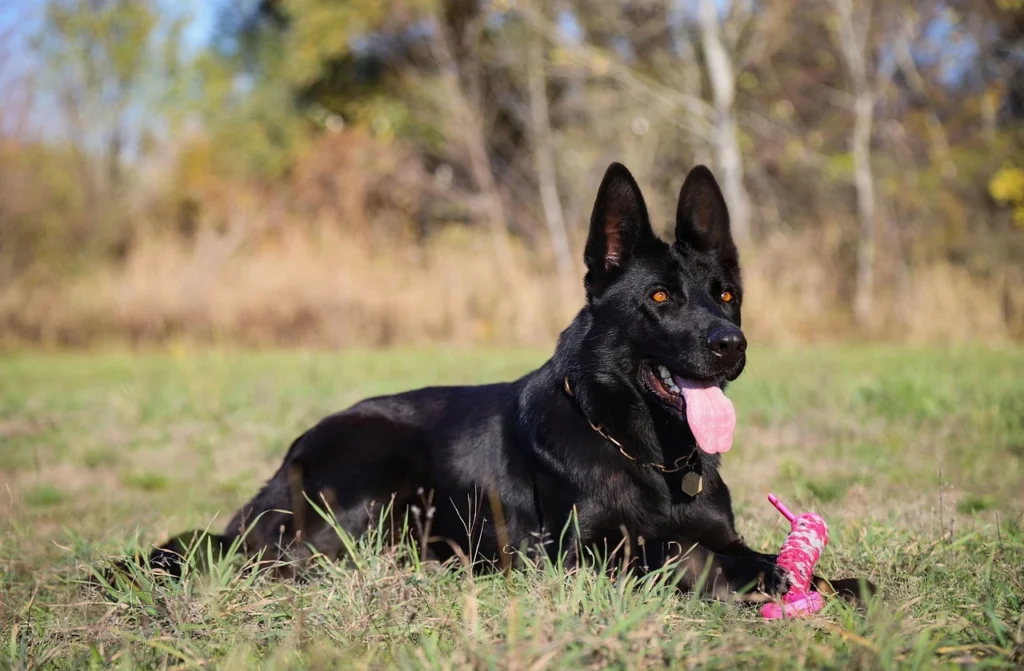
- Police and military work
- Intelligent and loyal
- Gentle with children despite serious appearance
Doberman Pinscher
- Fast and alert
- Protective and closely bonded to owners
Rottweiler
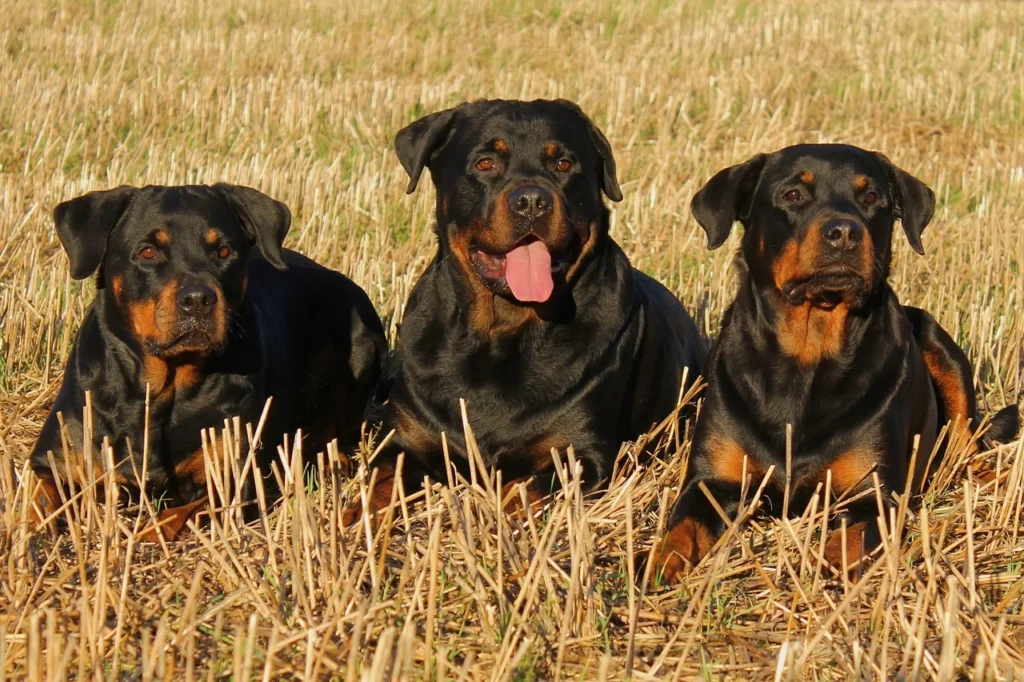
- Misunderstood
- Calm, confident, and extremely loyal
Mastiffs: Giants of Big Scary Dog Breeds
Popular types:
- Cane Corso
- Tibetan Mastiff
- English Mastiff
📌 Real-life insight: A Mastiff rarely barks, but when it does, everyone listens.
Training and Socialization
Without training = dangerous.
With training = loyal companion.
Tips:
- Start at 8–12 weeks
- Socialize with people, animals, environments
- Positive reinforcement
- Consistent commands
Health Considerations
Big scary dog breeds have special health needs:
- Joint issues, hip dysplasia
- Heart problems, bloat
- High-protein diet
- Regular exercise and mental stimulation
Living With Big Scary Dog Breeds
Requirements:
- Space for movement
- Time for training
- Budget for food, vet care, and equipment
Rewards:
- Loyal protector
- Devoted companion
- Deep bond
Conclusion
The phrase big scary dog breeds may seem intimidating.
But with the right owner, training, and love:
- They are loyal
- Intelligent
- Loving
👉 The same traits that make them look scary… make them incredible family guardians.
FAQ
Are big scary dog breeds suitable for families with children?
Yes, big scary dog breeds can be great for families with kids. But, they need lots of training and socialization. This ensures they behave well around children.
Breeds like German Shepherds and Rottweilers can be gentle and protective. They need consistent training and responsible care.
How much exercise do giant guard dog breeds typically need?
Giant guard dog breeds need a lot of exercise, about 60-90 minutes a day. They need walks, playtime, and training to stay healthy.
Without enough exercise, they might get destructive or anxious.
What are the typical food costs for large protective dog breeds?
Feeding a large protective dog can be pricey. Monthly costs range from to 0. This depends on the dog’s size, age, and diet needs.
Big breeds like Mastiffs need high-quality, protein-rich food.
Do these breeds require special housing or living conditions?
Yes, they need a lot of space. They don’t fit well in small apartments. They need homes with:
– Lots of indoor space
– Secure, fenced outdoor areas
– Room to move and exercise
– Comfortable resting areas for their size
Are these breeds difficult to train?
No, they’re smart and can be trained. But, they need consistent, patient training. Breeds like German Shepherds and Doberman Pinschers respond well to positive training.
Professional training is often a good idea, especially for new owners.
What are the typical health challenges for big scary dog breeds?
They face health issues like hip and elbow dysplasia, bloat, and joint problems. Heart issues and genetic concerns are also common.
Regular vet visits, proper diet, and exercise can help prevent these problems.
How expensive are these dog breeds to purchase and maintain?
Buying a big scary dog can cost between
FAQ
Are big scary dog breeds suitable for families with children?
Yes, big scary dog breeds can be great for families with kids. But, they need lots of training and socialization. This ensures they behave well around children.
Breeds like German Shepherds and Rottweilers can be gentle and protective. They need consistent training and responsible care.
How much exercise do giant guard dog breeds typically need?
Giant guard dog breeds need a lot of exercise, about 60-90 minutes a day. They need walks, playtime, and training to stay healthy.
Without enough exercise, they might get destructive or anxious.
What are the typical food costs for large protective dog breeds?
Feeding a large protective dog can be pricey. Monthly costs range from $80 to $250. This depends on the dog’s size, age, and diet needs.
Big breeds like Mastiffs need high-quality, protein-rich food.
Do these breeds require special housing or living conditions?
Yes, they need a lot of space. They don’t fit well in small apartments. They need homes with:
– Lots of indoor space
– Secure, fenced outdoor areas
– Room to move and exercise
– Comfortable resting areas for their size
Are these breeds difficult to train?
No, they’re smart and can be trained. But, they need consistent, patient training. Breeds like German Shepherds and Doberman Pinschers respond well to positive training.
Professional training is often a good idea, especially for new owners.
What are the typical health challenges for big scary dog breeds?
They face health issues like hip and elbow dysplasia, bloat, and joint problems. Heart issues and genetic concerns are also common.
Regular vet visits, proper diet, and exercise can help prevent these problems.
How expensive are these dog breeds to purchase and maintain?
Buying a big scary dog can cost between $1,500 to $8,000. Ongoing costs include:
– High-quality food
– Veterinary care
– Training
– Insurance
– Equipment and supplies
Total annual costs can be over $2,000-$3,000.
Are these dogs good for first-time dog owners?
No, they’re not ideal for first-time owners. They need advanced training, consistent leadership, and a lot of time. They also require understanding of their specific needs.
Experienced owners or those willing to invest in training are better suited.
,500 to ,000. Ongoing costs include:
– High-quality food
– Veterinary care
– Training
– Insurance
– Equipment and supplies
Total annual costs can be over ,000-,000.
Are these dogs good for first-time dog owners?
No, they’re not ideal for first-time owners. They need advanced training, consistent leadership, and a lot of time. They also require understanding of their specific needs.
Experienced owners or those willing to invest in training are better suited.