
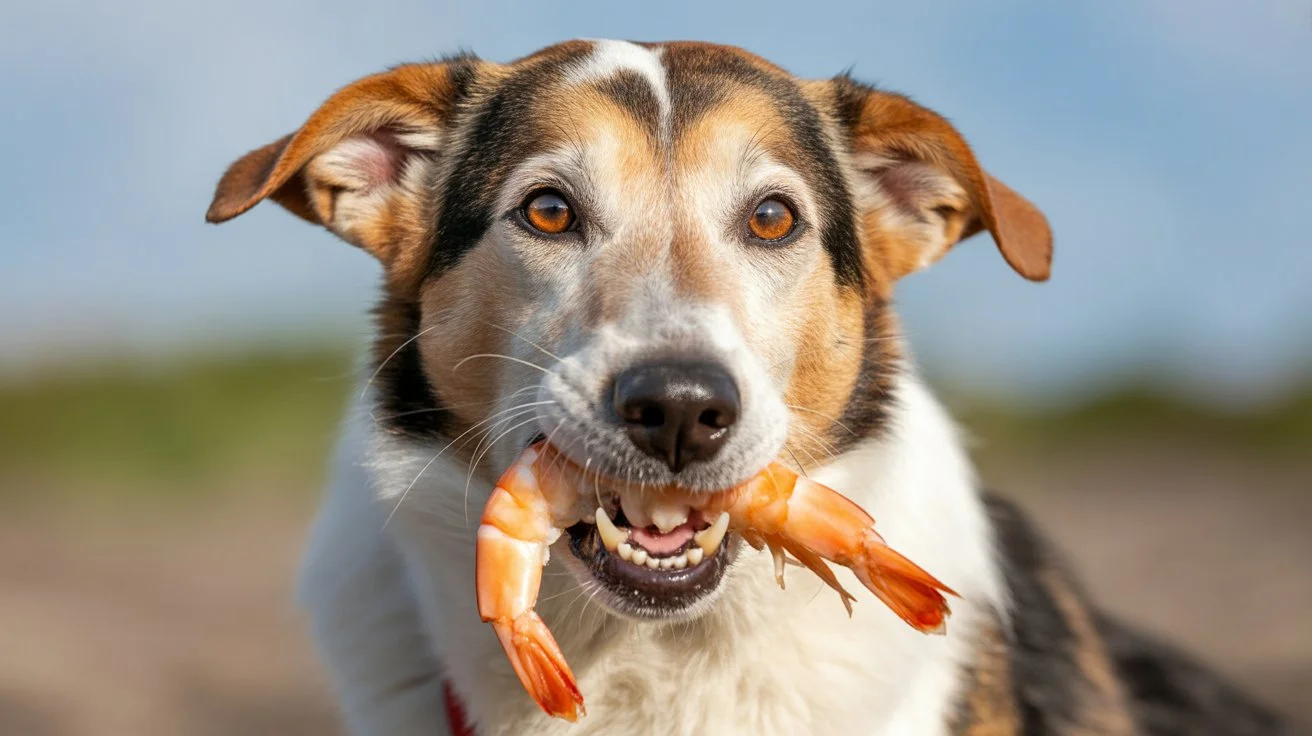
Can Dogs Have Shrimp? A Complete Pet Owner’s Guide
If you’re wondering whether can dogs have shrimp, you’re asking one of the most common questions in pet nutrition forums and vet clinics. The short answer is yes—but there’s definitely a right way and a wrong way to serve it. Let me walk you through everything you need to know about feeding shrimp to your dog, from preparation methods to portion sizes and potential risks.
Table of Contents
The Quick Answer: Can Dogs Eat Shrimp?
Yes, can dogs eat shrimp safely when it’s prepared correctly and given in moderation. However, many pet owners unknowingly make mistakes that can turn this nutritious treat into a potential health hazard. The key is understanding what “correctly” means and what situations make shrimp unsafe for your furry friend.
Shrimp is actually a nutritious option for most dogs. It’s lean, protein-rich, and packed with vitamins and minerals your dog needs. But before you start tossing shrimp treats around, let’s talk about what is shrimp bad for dogs and when you need to be extra cautious.
Why Some People Ask “Is Shrimp Bad for Dogs?”
The concern around shrimp for dogs usually comes from three main areas: preparation method, portion size, and individual dog health factors. Understanding these helps explain why not all shrimp is created equal when it comes to dog safety.
Raw or Undercooked Shrimp
This is where things get risky. Raw shrimp can harbor harmful bacteria like Salmonella, Vibrio, and Listeria—all of which cause serious gastrointestinal issues in dogs. So if you’re asking is shrimp bad for dogs, the real question is: was it cooked properly? Raw shrimp absolutely can be bad for your dog, which is why cooking is non-negotiable.
Fried Shrimp Isn’t Dog-Friendly
Here’s where many owners make a critical mistake: wondering if they can share their leftover appetizer. Can dogs eat fried shrimp? Technically, the shrimp itself is cooked, but everything else about fried shrimp makes it unsuitable for dogs. Fried shrimp is loaded with oil, salt, and often contains seasonings like garlic and onion powder—all problematic for canine digestion. The deep-fried preparation adds excessive fat and calories that can upset your dog’s stomach or contribute to pancreatitis in susceptible dogs.
Shrimp Shells and Tails
One of the most overlooked hazards involves the parts we typically discard. Many owners ask whether can dogs eat shrimp tails or if shells are okay. The answer is a firm no. Shrimp tails for dogs are a genuine choking hazard and can cause intestinal blockages. The shell is rigid, difficult to digest, and poses a serious risk—particularly for small breeds or enthusiastic eaters who don’t chew thoroughly.
The Nutritional Benefits When Prepared Right
When you prepare shrimp correctly—plain, cooked, and without shells or tails—it becomes a genuinely nutritious treat.
Lean Protein for Muscle Support
Shrimp is an excellent source of high-quality protein containing all essential amino acids. This matters especially for senior dogs that need to maintain muscle mass or younger dogs building strength. Because shrimp is lean, it provides protein without the excess fat found in some other protein sources.
B Vitamins and Metabolism
The B12 content in shrimp supports your dog’s energy production and nervous system function. Niacin, another B vitamin present in shrimp, plays a crucial role in enzyme function and cellular health throughout your dog’s body.
Minerals for Bone Health
Phosphorus and selenium in shrimp work together to maintain strong bones and teeth. For aging dogs showing signs of joint stiffness or for puppies still developing their skeletal structure, these minerals matter.
Omega-3 Fatty Acids and Antioxidants
This is perhaps the most notable benefit. Shrimp contains natural antioxidants and omega-3 fatty acids that reduce inflammation, support brain function, and promote healthy skin and coat quality. Dogs with inflammatory conditions or those with dull, dry coats can genuinely benefit from occasional shrimp treats.
Low-Calorie Option for Weight Management
At roughly 7-8 calories per piece of cooked shrimp, it’s an excellent treat choice for dogs watching their waistline. Senior dogs or those on calorie-restricted diets can enjoy shrimp without derailing their weight management goals.
Safe Preparation: The Right Way to Serve Shrimp
Cooking Methods That Are Safe
Steam, boil, or grill your shrimp—nothing else. These methods eliminate bacteria while preserving nutritional value. Simply place plain shrimp in water or a steamer for 5-7 minutes until the meat is opaque and fully cooked through. Avoid any cooking method that involves oil, butter, or seasoning.
The Critical Rule: Plain Only
This cannot be emphasized enough. Shrimp must be served completely plain. No garlic, no onions, no salt, no seasoning of any kind. Garlic and onions are toxic to dogs and damage red blood cells. Excess salt causes digestive upset and sodium imbalance. Even seemingly harmless seasonings like black pepper or paprika can irritate your dog’s digestive tract.
Remove Every Shell, Tail, and Vein
Before offering shrimp to your dog, remove the shell completely. Devein the shrimp as well. Take time to inspect the piece and ensure there are no hard or sharp fragments remaining. This attention to detail prevents choking incidents and intestinal blockages.
Quality Matters
When possible, choose wild-caught shrimp over farm-raised varieties. Farm-raised shrimp often contain antibiotics and pesticides used in aquaculture. Wild-caught options reduce your dog’s exposure to unnecessary chemicals.
Understanding the Risks
Choking and Blockage Hazards
This is the most common concern veterinarians see. When people ask can dogs have shrimp tails or wonder about shells, they’re often thinking about choking risk—and rightfully so. Shrimp tails for dogs are dangerous because they’re tough, don’t break down easily during digestion, and can lodge in the esophagus or intestines. Small dogs are especially vulnerable, but large dogs aren’t immune to blockage complications.
Allergic Reactions (Rare but Real)
Some dogs are allergic to tropomyosin, a protein found in shellfish. While shellfish allergies are uncommon in dogs compared to chicken or beef allergies, they do happen. Watch for itching, ear infections, facial swelling, hives, or difficulty breathing. If you notice any of these symptoms after introducing shrimp, discontinue it immediately and contact your vet.
Cholesterol Considerations
Shrimp is relatively high in cholesterol. For most healthy dogs, this isn’t a concern. However, dogs with pancreatitis, certain heart conditions, or cholesterol-restricted diets should avoid shrimp entirely. Always consult your vet if your dog has pre-existing health conditions.
The 10% Rule Still Applies
Shrimp treats should never exceed 10% of your dog’s daily calorie intake. This prevents nutritional imbalance and ensures your dog’s complete and balanced diet remains the foundation of their nutrition.
Serving Guidelines: How Much Is Safe?
Start Small with New Foods
When introducing shrimp for the first time, offer a piece no larger than a pea. Monitor your dog for 24-48 hours for any signs of digestive upset—vomiting or diarrhea. If all is well, you can gradually increase amounts in future servings.
Portion Sizes by Breed
- Toy breeds (under 10 lbs): Half of a small shrimp maximum per serving
- Small to medium breeds (10-50 lbs): One to two whole shrimp per serving
- Large breeds (50+ lbs): Three to four shrimp per serving
These portions count toward your dog’s daily 10% treat allowance.
Frequency Matters
Shrimp should be an occasional treat, not a daily staple. Once or twice per week is ideal for most dogs. This maintains the nutritional balance of their primary diet and prevents digestive upset from frequent seafood consumption.
Addressing the Fried Shrimp Question
I mentioned earlier that can dogs eat fried shrimp—and I want to be clear: if you’re eating fried shrimp at a restaurant and wondering if you can give your dog a piece, the answer is no. Not only does the frying oil add excessive fat and calories, but restaurant fried shrimp almost always contains salt, spices, and seasonings that upset canine digestion. The flour breading can also cause issues. Stick to home-prepared, plain, cooked shrimp only.
Emergency: What If Your Dog Swallows a Shrimp Tail?
If your dog accidentally ingests a shrimp tail or shell, don’t panic, but do monitor closely. Watch for:
- Choking or gagging
- Loss of appetite lasting more than a few hours
- Vomiting or repeated retching
- Abdominal pain or reluctance to move
- Constipation or straining to defecate
- Lethargy or unusual behavior
If any of these occur, contact your vet immediately. Some blockages resolve on their own, but others require veterinary intervention or even surgery.
The Bottom Line
Can dogs have shrimp? Yes, when served plain, fully cooked, and without shells or tails. Is shrimp bad for dogs? Only when it’s prepared incorrectly, fed in excessive amounts, or given to dogs with specific health conditions. Can dogs eat shrimp tails? Absolutely not—they pose serious risks. Can dogs eat fried shrimp? Never.
When you prepare shrimp the right way, it becomes a nutritious, low-calorie treat that supports muscle health, skin quality, and overall wellness. The key is respecting preparation guidelines, portion sizes, and your individual dog’s health profile.
If you have any doubts about whether shrimp is appropriate for your specific dog, especially if your dog has health issues or food sensitivities, ask your veterinarian. They know your dog’s complete health history and can provide personalized guidance. For most healthy dogs, plain, cooked shrimp is a welcome addition to their treat rotation—done safely and responsibly.
FAQ
Can dogs eat shrimp tails?
Dogs can eat shrimp tails, but they might be a choking hazard. They could also upset their stomach. It’s safer to remove the tails before giving shrimp to your dog.
Is shrimp bad for dogs?
Shrimp isn’t inherently bad for dogs, but it should be given in small amounts. Make sure the shrimp is cooked right and doesn’t have harmful seasonings. If your dog is allergic to shellfish, avoid giving them shrimp.
Can dogs eat fried shrimp?
Fried shrimp is not good for dogs because of the extra fats and seasonings. Stick to plain, cooked shrimp for your dog’s health and safety.
What are the risks associated with shrimp tails for dogs?
Shrimp tails can cause choking or blockages in a dog’s stomach. It’s best to remove the tails before giving shrimp to your pet to avoid these risks.
Are there any specific allergic reactions dogs may have to shrimp?
Yes, some dogs can be allergic to shrimp. This can cause itching, swelling, or upset stomach. If you think your dog is allergic, talk to your vet.
How can I recognize if my dog is having an adverse reaction to shrimp?
Signs of an allergic reaction include vomiting, diarrhea, itching, or odd behavior. If your dog shows these symptoms after eating shrimp, see your vet right away.
What portion of shrimp is safe for my dog?
The safe amount of shrimp depends on your dog’s size and diet. Small dogs might have one to two small shrimp, while bigger dogs can have a few more. Always introduce new foods slowly.
How often can I feed my dog shrimp?
Shrimp should be a rare treat because of its high protein and cholesterol. It’s best to only give shrimp once a week or less, mixing it with their regular food.
When should I consult a veterinarian about my dog’s diet, including shrimp?
If your dog shows signs of allergies, has health issues, or you’re unsure about shrimp, talk to your vet. They can give you personalized advice.
Are there other ways to incorporate shrimp into my dog’s diet safely?
You can mix cooked shrimp with their regular meals in small amounts.You can also add it as a topping to their meals. Just make sure the shrimp is plain, without seasonings or additives.