Can Dogs Eat Fried Shrimp? A Complete Guide for Pet Owners
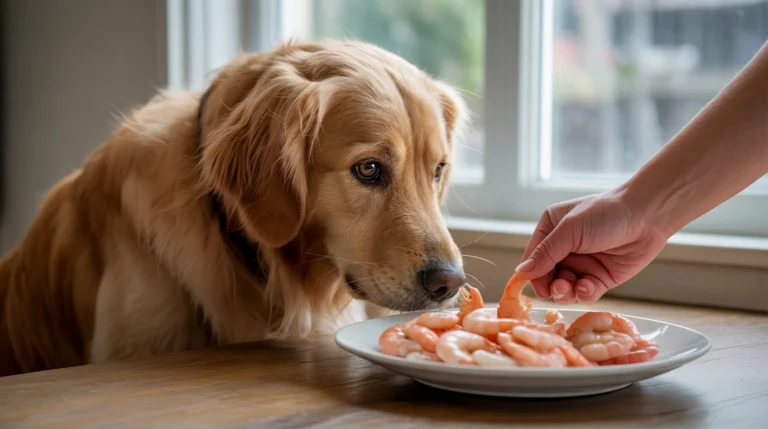
There’s nothing quite like the moment your dog gives you those irresistible puppy dog eyes while you’re enjoying a plate of crispy fried shrimp at dinner. That innocent gaze seems to say, “Won’t you share just a tiny piece with me?” It’s a scene that plays out in thousands of homes every single day, and the temptation to oblige can be overwhelming.
The truth is, many pet owners want to share the good things in life with their furry companions. We see our dogs as family members, not just pets, so when we’re enjoying a delicious treat, it’s natural to want them to experience that same joy. But here’s the critical question every dog parent should ask: Can dogs eat fried shrimp?
The short answer:
While dogs can technically eat plain shrimp, the frying process introduces oils, seasonings, and preparation methods that are far from healthy for them. What might be a delicious indulgence for you could spell digestive trouble for your beloved companion. In this comprehensive guide, we’ll explore everything pet owners need to know about feeding shrimp to dogs—and why preparation method matters more than you might think.
Table of Contents
The Primary Risks of Fried Preparation
Gastrointestinal Distress and Digestive Upset
Fried foods are notoriously problematic for dogs, and fried shrimp is no exception. When shrimp is deep fried, it absorbs enormous amounts of oil and fat. A dog’s digestive system isn’t designed to process this level of dietary fat, and the consequences can be immediate and unpleasant.
High-fat, oily foods can trigger acute gastroenteritis in dogs—a fancy term for severe digestive upset. Within hours of consuming fried shrimp, your dog might experience vomiting, diarrhea, loss of appetite, or abdominal pain. These symptoms aren’t just uncomfortable; they signal real distress in your dog’s digestive tract.
What makes this particularly concerning is that can dogs eat deep fried shrimp becomes not just a matter of preference but one of safety. The grease coating bypasses normal digestion, often causing inflammation in the pancreas—a condition called pancreatitis that can develop into a serious, life-threatening issue requiring emergency veterinary care.
Toxic Seasonings: The Hidden Danger
Beyond the oil content, fried shrimp typically comes breaded and seasoned. This is where the real danger lurks. Those flavor-enhancing seasonings that make fried shrimp so appetizing to humans can be toxic to dogs.
Garlic powder and onion powder are common breading ingredients, and both are highly toxic to canines. These seasonings contain compounds that damage a dog’s red blood cells, leading to a condition called hemolytic anemia. Even in small quantities, they can cause serious health consequences. A dog that eats garlic or onion-seasoned fried shrimp might not show symptoms immediately, but over time or with repeated exposure, organ damage can occur.
Many commercial fried shrimp preparations also contain excessive salt, which can cause thirst, urination problems, and sodium ion poisoning in dogs if consumed regularly. The combination of fat, toxic seasonings, and high sodium makes restaurant-style fried shrimp an absolute no-go for your pet.
Pre-Existing Health Conditions Make It Worse
For certain dogs, the risks escalate dramatically. Can dogs with pancreatitis eat fried shrimp? Absolutely not. Dogs with a history of pancreatitis or sensitive stomachs should strictly avoid fried foods. Their digestive systems are already compromised, and the high fat content could trigger a painful, potentially fatal relapse.
Similarly, older dogs, puppies, and dogs with inflammatory bowel disease or other digestive issues should never have access to fried shrimp. The risk simply isn’t worth the momentary pleasure.
Feeding Guidelines and Moderation
Understanding the 10% Rule
One of the most important principles in dog nutrition is the 10% rule: treats of any kind—including seafood treats—should never exceed 10% of your dog’s daily caloric intake. The remaining 90% should come from complete, balanced dog food that meets all their nutritional needs.
This guideline exists for a reason. When treats comprise more than 10% of daily calories, they inevitably displace essential nutrients that your dog needs for optimal health. What seems like harmless indulgence can actually create nutritional imbalances over time.
So if you’re contemplating can dogs have shrimp, remember that the amount matters enormously. Even plain, unseasoned shrimp should be portioned carefully.
Size Matters: Proper Portions for Your Dog
The appropriate serving size depends entirely on your dog’s size. For a toy breed like a Chihuahua or Pomeranian, a single pea-sized piece of shrimp is plenty—and should only be offered occasionally. For medium-sized dogs, a piece about the size of your pinky fingernail works well. Larger breed dogs can handle slightly more, but we’re still talking about a small amount as an occasional treat.
Can dogs eat shrimp tails? Never. And this applies whether the shrimp is fried or plain. The tail is a choking hazard and can cause intestinal blockages, a serious emergency requiring surgery. Always remove all shells and tails completely.
Frequency: Rare, Not Routine
Think of fried shrimp as a once-in-a-blue-moon treat, not a weekly occurrence. Even plain boiled shrimp should be reserved for special occasions. Your dog doesn’t need variety in the way humans do; they thrive on consistency and balanced nutrition. The novelty of shrimp, fried or otherwise, isn’t necessary for their happiness or health.
The Nutritional Benefits of Plain Shrimp (When Prepared Properly)
Now, let’s be fair: when properly prepared, plain shrimp does offer some legitimate nutritional benefits to dogs. This is why some pet owners consider it as an occasional treat.
Lean Protein and Immune Support
Plain shrimp contains high-quality protein with all essential amino acids. This protein supports muscle maintenance, tissue repair, and overall body function. For active dogs, the protein in shrimp can support lean muscle development when given in appropriate amounts.
Omega-3 Fatty Acids for Skin and Coat
Unlike the problematic saturated fats in fried shrimp, plain shrimp contains omega-3 fatty acids that promote healthy skin and a shiny coat. These beneficial fats reduce inflammation and support cardiovascular health.
Glucosamine for Joint Health
Shrimp shells—when properly prepared and softened through boiling—contain glucosamine, a compound that supports joint health. This is particularly valuable for aging dogs or breeds prone to arthritis. However, this benefit is lost when shrimp is fried.
The Right Preparation Method
To get these benefits without the risks, shrimp should be boiled or steamed plain, without any added fats, seasonings, or butter. Let it cool completely, remove all shells and tails, and cut it into appropriately sized pieces. This preparation method preserves nutrients while eliminating toxins and excess fat.
A Real-Life Lesson: Max’s Frightening Experience
To illustrate why this matters, consider the true story of Max, a four-year-old Golden Retriever whose family learned this lesson the hard way.
Max’s owners were visiting a seafood restaurant for a special celebration. His owner ordered fried shrimp and, unable to resist Max’s hopeful expression, slipped him several pieces under the table when no one was looking. Max seemed fine that evening, happy and content as always.
By 2 AM, everything changed. Max woke his owners with urgent whining and pacing. His abdomen was clearly painful—he’d assume the play bow position, stretching his rear end up while his front legs lay flat, a classic sign of abdominal discomfort. When they tried to pet him, he yelped.
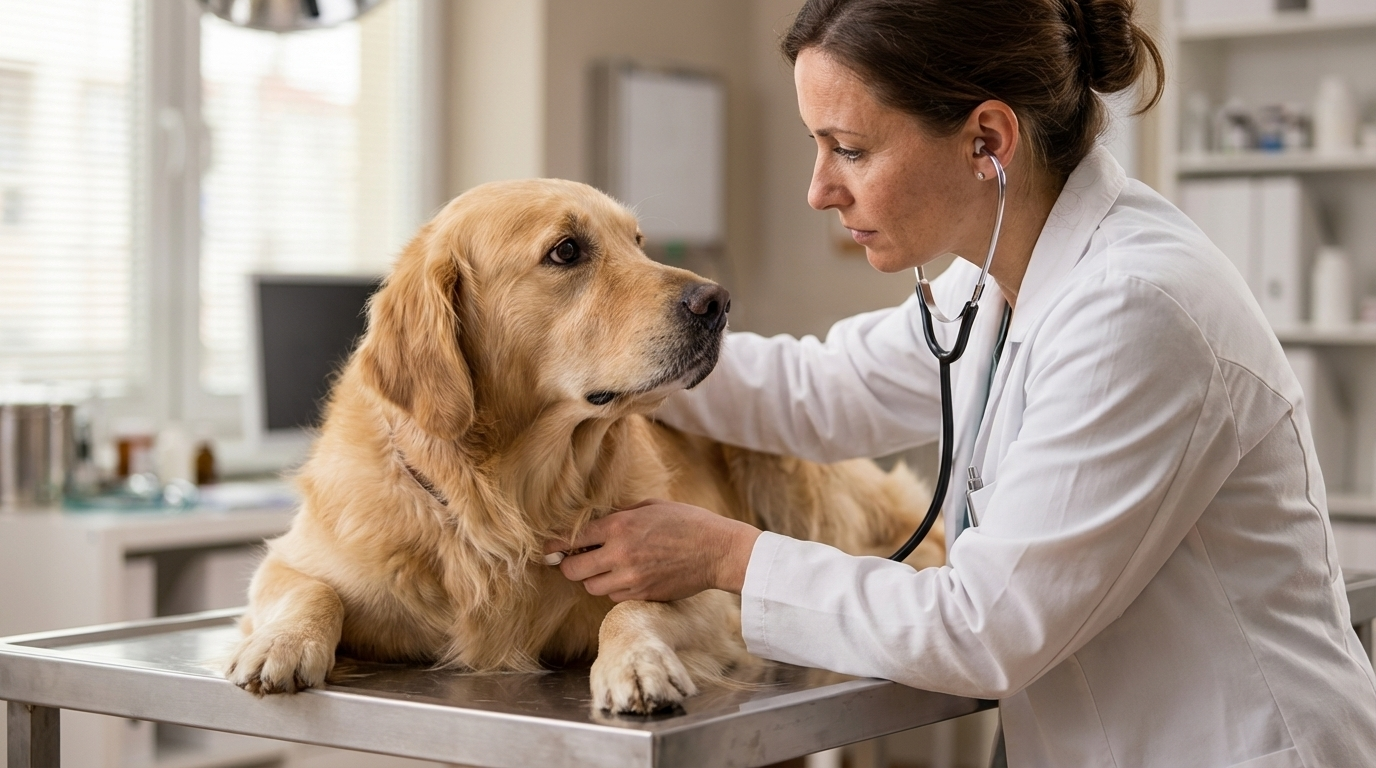
The emergency vet visit revealed acute pancreatitis triggered by the high-fat meal. Max spent three nights in the animal hospital on IV fluids, receiving medication to manage the inflammation and pain. The vet explained that pancreatitis can become chronic, and if it recurred, it could cause permanent damage.
The entire experience cost Max’s family over $3,000 in emergency care, three nights of separation from their beloved pet, and significant stress and worry. Max recovered fully, but the incident profoundly changed how his family approached treats. They now understand that one moment of indulgence could have had permanent consequences.
Max’s story isn’t unique. Emergency vets treat dozens of cases like his every week—all preventable with informed choices about what dogs eat.
Critical Safety Precautions
Choking Hazards and Blockage Risks
Can dogs eat shrimp tails? This deserves repetition: absolutely not. The shell and tail pose serious choking risks, especially in dogs that don’t chew thoroughly before swallowing. Even if a dog manages to swallow a piece of shell, it can become lodged in the digestive tract, causing a blockage that may require emergency surgery.
Always remove shells completely. If you’re ever in doubt about whether a piece is completely shell-free, don’t offer it.
Allergy Monitoring
Shellfish allergies do occur in dogs, though they’re relatively uncommon. When introducing any new food—including plain, properly prepared shrimp—watch carefully for signs of an allergic reaction over the next 24-48 hours:
- Itching or scratching, especially around the face, ears, or paws
- Facial swelling or hives
- Vomiting or diarrhea
- Excessive drooling
- Difficulty breathing (seek emergency care immediately if this occurs)
If you observe any of these signs, discontinue the food immediately and contact your veterinarian.
Emergency Warning Signs
If your dog has consumed fried shrimp and develops any of the following symptoms, contact your veterinarian or emergency clinic immediately:
- Severe lethargy or unresponsiveness
- Persistent vomiting or diarrhea lasting more than a few hours
- Abdominal pain or distension
- Loss of appetite for more than a few hours
- Pale gums or difficulty breathing
Don’t wait to see if symptoms resolve on their own. Pancreatitis and blockages require professional treatment.
Vet-Recommended Seafood and Protein Substitutes
If you want to treat your dog with seafood, safer alternatives exist.
Safe Seafood Options
Plain baked or grilled fish offers similar nutritional benefits without the risks. Salmon, tuna, and sardines are excellent choices when properly prepared—cooked plain without seasonings, bones removed, and portioned according to your dog’s size. These fish contain even more omega-3 fatty acids than shrimp.
Lean Meat Alternatives
Unseasoned, boiled chicken or turkey provide superior nutritional profiles to shrimp and carry fewer risks. Remove all skin and bones, cut into appropriate pieces, and offer as an occasional treat within the 10% daily calorie guideline.
Fresh Produce Treats
Carrots, green beans, blueberries, and sweet potatoes make nutritious treats that support dental health and provide beneficial vitamins without fat or toxins. Most dogs enjoy the crunch of raw carrots, which also help clean teeth naturally.
Homemade Treats
Create your own dog treats using safe ingredients like oats, unsweetened peanut butter, pumpkin puree, and mashed banana. These homemade options give you complete control over ingredients and portion sizes.
Conclusion: Prioritizing Pet Well-Being
The question “Can dogs eat fried shrimp?” has a clear answer: they shouldn’t. The risks far outweigh any potential benefits. Fried preparation introduces excessive fat, toxic seasonings, and choking hazards that make it an unsafe choice for your beloved companion.
Even plain shrimp should be reserved for rare, special occasions and always properly prepared—boiled or steamed, completely shell-free, and portioned responsibly.
Your dog doesn’t judge you for not sharing your fried shrimp. They love you just as much—perhaps even more—when you make informed decisions that prioritize their health and longevity. That puppy dog eye gaze will disappear just as quickly if you offer an appropriate alternative treat that keeps them safe.
Being a responsible pet owner means recognizing that what tastes good to us isn’t always good for them. By understanding the risks of fried shrimp and offering safer alternatives, you’re ensuring that you and your dog can enjoy many more years together—years free from preventable pancreatitis, choking incidents, or toxic reactions.
Your dog’s health is worth the extra moment it takes to make the right choice. Every single time.