Why Do Dogs Lick Their Paws? A Complete Guide to Understanding and Managing This Common Behavior
If you’ve noticed your furry companion spending more time attending to their paws than usual, you’re probably wondering what’s going on. The question “why do dogs lick their paws” is one that veterinarians hear regularly from worried pet parents, and for good reason. While some paw licking is completely normal grooming behavior, excessive licking can signal an underlying problem that needs attention.
Table of Contents
Understanding Normal vs. Problematic Paw Licking
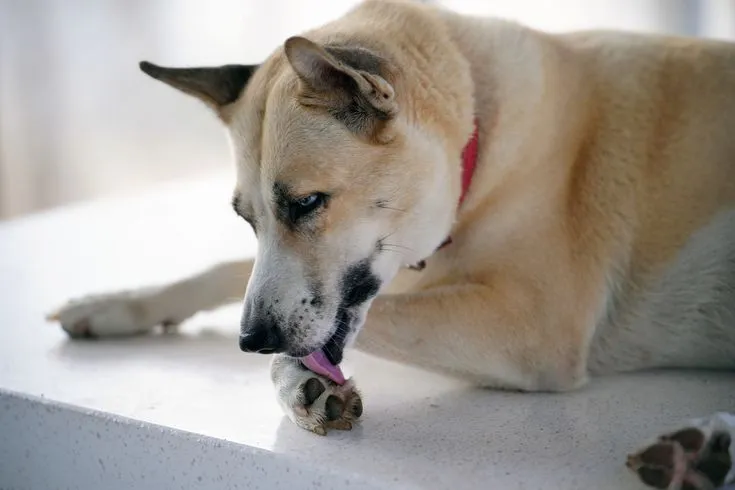
Let’s start by establishing what’s normal. Dogs naturally lick their paws as part of their grooming routine—they’re keeping themselves clean, much like cats do. A dog might spend a few minutes after dinner or before bedtime attending to their feet, and that’s perfectly healthy behavior.
However, there’s a significant difference between occasional grooming and compulsive licking. When your dog begins excessively licking their paws throughout the day, or when the behavior intensifies to the point where it’s disruptive, you’re looking at a potential health or behavioral issue. Understanding why do dogs lick their paws excessively is crucial for getting your pet the help they need.
The shift from normal to problematic typically involves both frequency and intensity. If your dog is leaving their toys untouched to focus on their feet, or if they’re licking so vigorously that their skin becomes red and irritated, these are clear signals that something’s amiss.
Red Flags That Demand Immediate Attention
Recognizing the warning signs early can make a real difference in your dog’s comfort and recovery. Pay attention to these critical indicators that your dog’s paw licking may be a medical emergency.
Signs of Infection are perhaps the most concerning. If you notice a foul odor coming from your dog’s paws, or you see discharge that’s yellow or green in color, infection may be present. Swelling around the affected area is another serious warning sign. These symptoms suggest bacterial or fungal infections that require veterinary treatment.
Physical damage is equally important to monitor. Look for saliva staining, which typically appears as reddish-brown discoloration on the fur around the paws. Bald patches where your dog has licked away the fur, or thickened, darkened skin (a condition called lichenification) indicate chronic licking that’s causing tissue damage.
Behavioral red flags tell another story. If your dog becomes restless, irritable, or defensive when you try to touch their paws, they’re signaling pain or discomfort. When the licking becomes so intense that it’s interrupting your dog’s sleep or preventing them from settling down, you’re dealing with a significant problem that needs professional evaluation.
Uncovering the Root Cause: Why Dogs Lick Their Paws
Now that you recognize the problem, let’s explore the various reasons behind it.
Acute Medical Triggers
Sometimes, a single incident sparks the excessive licking behavior. Your dog might have stepped on glass or a thorn during a walk, developed cracked paw pads, or experienced a burn from hot pavement on a summer day. These injuries are painful, and your dog’s natural instinct is to lick the affected area for comfort and healing.
Parasites are another common culprit that pet owners often overlook. Fleas and ticks are obvious offenders, but burrowing mites can be even more problematic. These tiny creatures cause intense itching that drives dogs to lick and scratch obsessively. If you’re asking yourself “why do dogs lick their paws,” parasites should always be on your list of possibilities, especially if your dog’s flea prevention has lapsed.
Chronic Health Conditions
Allergies are surprisingly common in dogs and rank among the top reasons for paw licking. Your dog might be reacting to environmental allergens like pollen or dust, food ingredients that don’t agree with their system, or contact allergens from materials like carpet cleaning products or sidewalk salt.
Arthritis and joint pain shouldn’t be overlooked, particularly in older dogs. As dogs age, arthritis develops in their joints, and the discomfort can manifest as targeted licking on specific paws. Your senior dog may lick one paw more than others because that’s where the pain is concentrated.
Emotional and Environmental Factors
Not all paw licking has a physical cause. Anxiety, stress from loud noises (like thunderstorms or fireworks), and boredom can all trigger compulsive licking behaviors. Some dogs develop this habit as a self-soothing mechanism, similar to how humans might fidget when stressed.
Environmental irritants also play a role. During winter, road salt on sidewalks can irritate your dog’s paws, leading to increased licking. Indoor heating during colder months can dry out your dog’s skin, creating uncomfortable itching that results in licking.
The Path to Relief: Diagnosis and Treatment
Once you’ve identified that excessive paw licking is occurring, your next step should be scheduling a veterinary appointment. Your vet will conduct a physical examination, looking for visible signs of infection, injury, or skin disease. They may recommend allergy testing or parasite screening to rule out these common causes.
Medical interventions vary depending on the diagnosis. Bacterial or fungal infections respond to antibiotics or antifungal medications. Dogs with arthritis may benefit from pain relief medications or supplements like glucosamine. Allergies might require dietary changes, antihistamines, or topical treatments to manage symptoms.
Long-term management is essential for preventing recurrence. If allergies are the culprit, a hypoallergenic diet or environmental modifications can significantly reduce licking episodes. Mental health support through increased exercise, puzzle toys, and behavioral therapy helps address anxiety-related licking.
Prevention and Proactive Paw Care
The best approach to managing paw licking is prevention. After your dog’s daily walks, take time to rinse and dry their paws thoroughly. This simple routine removes dirt, debris, and potential irritants.
During extreme weather conditions, consider using protective booties to shield your dog’s sensitive paw pads. Switch to pet-safe floor cleaners and de-icers to avoid chemical irritation. Regular nail trimming keeps paws healthy and reduces discomfort from overgrown nails.
Mental stimulation is equally important. Dogs with enriched environments and regular exercise are less likely to develop compulsive licking behaviors. Interactive toys, puzzle feeders, and daily play sessions keep your dog’s mind engaged and their anxiety levels lower.
Understanding Why Dogs Lick Their Paws: Final Thoughts
Understanding why do dogs lick their paws is the first step toward addressing this common concern. Whether the cause is a simple injury, a chronic health condition, or emotional stress, the key is early detection and appropriate intervention.
Pay attention to your dog’s behavior, monitor their paws for signs of damage or infection, and don’t hesitate to contact your veterinarian if you notice changes. Most cases of excessive paw licking respond well to treatment once the underlying cause is identified.
Your dog depends on you to notice when something’s wrong. By staying vigilant and informed, you’re ensuring that your beloved companion gets the care and comfort they deserve.