5 Tips to Help a Dog Picky Eater Eat Better
You put fresh dog food in front of your pet, but they ignore it. This is a common problem for many dog owners in the U.S. The good news is, you can help your dog eat better with the right steps.
Studies by VCA Animal Hospitals show many dogs are picky eaters. It’s not a sign of a problem. It’s a sign you need to find out why and fix it.
There are many reasons why dogs might be picky. They could have a health issue or learned bad habits. They might also prefer certain foods over others.
This guide will show you five key ways to help your dog enjoy meals again. You’ll learn how to check for health issues and set up good feeding times. You’ll also find out how to make food more appealing and the right time to change their diet.
Changing your dog’s eating habits takes time and effort. But with patience and consistency, you’ll see improvements. Your hard work will make your dog happier and healthier.
Table of Contents
Understanding Your Dog Picky Eater
A finicky dog can be really frustrating for pet owners. Before trying new ways to feed them, it’s important to know why they’re picky. Their eating habits might be due to health issues, learned behaviors, or just their taste preferences. Knowing the cause helps you find the best solution for your dog’s eating problems.
Your dog’s pickiness might come from one or more reasons. The good news is that you can understand these causes. This puts you in charge of solving the problem. Let’s look at what might be behind your dog’s eating habits.
Medical Conditions That Affect Appetite
Sometimes, what seems like pickiness is actually pain or discomfort. Several health problems can make your dog less interested in food:
- Dental disease — Problems can hide below the gum line where you cannot see them. Chewing or eating might hurt your dog.
- Kidney disease — This affects appetite and makes food taste different to your pup.
- Gastrointestinal upset — Stomach problems or foreign objects can suppress hunger.
- Arthritis in senior dogs — Pain during movement makes eating uncomfortable.
VCA Animal Hospitals says these conditions are common appetite suppressors. Always check with a vet first if your dog is finicky.
Behavioral Causes of Fussy Eating
Dogs are smart and learn fast. If they refuse food, they might get better options. This learned behavior leads to selective eating.
Offering too much variety can make your dog picky. Switching foods or giving table scraps teaches them to wait for better food. Being consistent is key.
Food Preferences and Texture Sensitivities
Dogs have their own food preferences, just like people do. Some like wet food’s moisture and smell. Others prefer kibble’s crunch and texture.
| Preference Type | Wet Food | Dry Food |
|---|---|---|
| Aroma Strength | Strong, appealing scent | Mild scent |
| Moisture Level | High moisture content | Low moisture content |
| Texture | Soft and easy to chew | Crunchy and firm |
| Bowl Material Sensitivity | May reflect in metal bowls | Less affected by reflections |
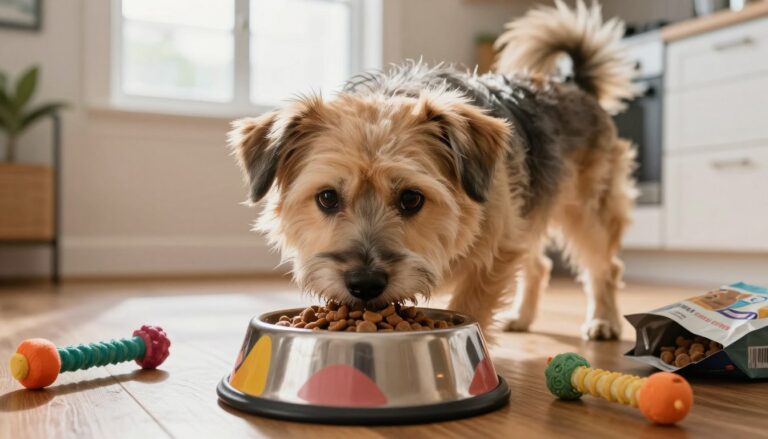
Some dogs don’t like stainless steel bowls because they see their reflection. Others have strong preferences for certain proteins like chicken, beef, or fish. Not all dogs are equally food-motivated, and that’s okay. Knowing their genuine food preferences helps you choose the right diet for your dog.
Rule Out Underlying Health Issues First
Before you think your dog is just being picky, it’s crucial to see a vet. A dog not wanting to eat might mean there’s a health problem, not just pickiness. VCA Animal Hospitals says you should check for health issues before trying to change their eating habits.
Your vet will do a detailed check to find out why your dog isn’t eating. This helps figure out if it’s a health issue or just being picky.
- A thorough physical examination to check for pain, fever, or abnormalities
- Bloodwork to assess kidney and liver function, blood sugar levels, and signs of infection
- Urinalysis to detect kidney disease or urinary tract infections
- Fecal examination to rule out parasites
- Dental X-rays to identify hidden tooth root problems or jaw issues
Different health problems show up in different ways. Dental pain might make dogs hesitant to eat. Kidney disease can make them feel sick to their stomach. Arthritis can make it hard for older dogs to eat from the floor. A blockage in the stomach can make them feel too full.
| Health Condition | How It Affects Eating | Additional Signs |
|---|---|---|
| Dental Disease | Approaches food, then hesitates or avoids chewing | Bad breath, drooling, swollen jaw |
| Kidney Disease | Loss of appetite due to nausea | Increased thirst, lethargy, weight loss |
| Gastrointestinal Issues | Feels full quickly or experiences discomfort | Vomiting, diarrhea, abdominal pain |
| Medication Side Effects | Reduced appetite from drug reactions | Varies by medication type |
| Parasites | Nutrient absorption problems | Diarrhea, visible worms, weight loss |
Distinguishing between medical and behavioral causes matters significantly. If your dog likes treats but not regular food, it might be picky. But if they won’t eat anything and seem tired or sick, they need a vet right away. If your dog’s eating habits change and they seem sick, you need to act fast.
Some dogs on medicine might not want to eat because of the side effects. Your vet can change the medicine or dosage. Don’t try to fix it yourself—waiting can make things worse.
Establish a Consistent Feeding Schedule
Creating a structured feeding routine is key for picky eaters. Predictable mealtimes teach your dog when to eat. This helps manage their appetite and metabolism.
Dogs love routine, and it improves their eating habits. A consistent schedule makes them look forward to meals.
Setting Regular Meal Times
Adult dogs do best with two meals a day. Puppies need three to four smaller meals. Pick times that fit your life and stick to them.
Feeding after exercise is best when your dog is hungry. Morning and evening meals work for most families. Feed at the same times every day. This trains your dog’s body to expect food at specific times.
- Feed adult dogs twice daily, ideally 8-12 hours apart
- Puppies require three to four meals daily
- Schedule meals after activity when hunger is strongest
- Maintain the same times every day, even on weekends
- Observe your dog’s energy and adjust timing if needed
Limiting Food Availability
Stop leaving food out all day. Use the timed feeding method instead. Place your dog’s bowl down for 15 to 20 minutes, then remove it. This teaches your dog that food is only available during certain times.
Food scarcity triggers natural eating instincts. Your dog learns they can’t wait for better food. They eat what’s available during mealtime.
If your dog misses a meal, don’t worry. Healthy dogs can skip one meal without harm. Missing a meal often leads to better appetite at the next one. Most dogs adjust within 7 to 10 days.
| Feeding Method | Best For | Results Timeline |
|---|---|---|
| Timed Feeding (15-20 minutes) | Picky eaters, dogs with weight issues | 7-10 days |
| Free-feeding (food always available) | Not recommended for selective eaters | Reinforces picky behavior |
| Scheduled meals twice daily | Adult dogs with inconsistent eating | 5-14 days |
Measure your dog’s daily portion each morning. This helps you control portions and spot real appetite changes. Consistency and patience make this approach work for even the pickiest eaters.
Make Your Dog’s Food More Appealing
A fussy dog often turns down meals because they don’t find the food appealing. But, you can make their meals irresistible with simple tricks. These methods boost flavor, smell, and texture without leading to bad habits or too much pickiness. You’ll learn how to make mealtime fun for your fussy dog while keeping their diet balanced.
Warming Your Dog’s Food
Heat makes food smell better to dogs. Warming their meal releases scents that make them hungry. You can warm wet food in the microwave for a few seconds or add warm water to dry kibble. Always check the temperature with your finger to avoid burns. This trick is great for a fussy dog that needs a little push.
Using Healthy Toppers
Adding healthy ingredients can make plain meals exciting. Here are some proven topper options:
- Bone broth (low-sodium, without onions or garlic)
- Plain canned pumpkin for fiber and sweetness
- Plain, unsweetened yogurt for probiotics
- Small amounts of cooked chicken, turkey, or lean beef
- Fish oil for omega fatty acids
- Gravy or jelly from canned dog food
Just a small spoonful of wet food mixed into dry kibble can spread flavor throughout the meal. This is especially helpful for a fussy dog that needs both visual and aromatic encouragement.
Adjusting Food Texture
Some dogs prefer softer food. Soaking dry food in warm water or low-sodium broth for ten to fifteen minutes makes it like porridge. This makes meals easier to eat and releases more aroma for your fussy dog to enjoy.
| Preparation Method | Best For | Preparation Time | Texture Result |
|---|---|---|---|
| Warming with water | Dogs who like moisture | 2-3 minutes | Slightly softened kibble |
| Soaking in broth | Senior or picky eaters | 10-15 minutes | Porridge-like consistency |
| Mixing wet food topper | All dogs | 1 minute | Enhanced flavor throughout |
| Adding canned food gravy | Dogs wanting coating | 1 minute | Moist, flavorful kibble |
Important Calorie Considerations
All additions must fit within your dog’s daily calorie needs. Toppers should make up no more than ten percent of total calories. Introduce new ingredients slowly to avoid upset stomachs. Keep your dog’s weight healthy by adding each new item to their nutrition plan.
Creating the Right Eating Environment
Use ceramic bowls instead of stainless steel, as some dogs dislike their reflection. Wash bowls thoroughly each day to remove rancid oil residue. Place food in a quiet spot away from household traffic. These changes help your fussy dog feel comfortable during meals.
Eliminate Extra Calories and Sneaky Snacks
Many pet owners don’t realize their dogs eat extra calories outside of meals. This can make dogs seem picky when they’re actually full from treats. VCA Animal Hospitals says picky dogs might be a bit overweight because of too many treats.
To solve this, keep a food diary for three to five days. This will help you see where all the extra calories come from.
Record everything your dog eats and drinks. This includes:
- Training treats and rewards
- Dental chews and rawhides
- Treats used to give medications
- Bites of human food
- Food scavenged from floors or trash
This detailed tracking will show you which treats are the problem. Then, you can work with your vet to make changes.
Managing Treat Intake
Treats should help with training, not hinder your feeding goals. Give treats only during training sessions. This way, your dog gets rewards without extra calories.
Remember, treats should be less than 10 percent of your dog’s daily calories. Here are some good alternatives:
- Use small pieces of your dog’s regular kibble as training rewards
- Choose low-calorie options like carrots or green beans
- Avoid high-calorie treats such as cheese, hot dogs, and fatty commercial options
Avoiding Table Scraps and Human Food
Feeding from the table is a big no-no. It can make your dog beg, lose interest in healthy food, and even get sick from bad foods like onions and chocolate.
To keep your dog healthy, set clear rules at home:
- Never feed your dog from your plate or under the table
- Educate all family members about why human food is off-limits
- Alert visitors and neighbors not to feed your dog
- Show affection through play, walks, and grooming instead of food sharing
Make sure to check with family and neighbors about treats. Treats from different people can add up and mess up your plans.
Try Different Food Types and Textures
Finding the right food for your picky eater takes patience and a systematic approach. It’s important to understand that dogs have strong preferences when it comes to their food. Your goal is to find what your dog truly enjoys, without constantly changing their diet.
Begin by exploring different food categories. Each type offers unique benefits and appeals to different dogs:
- Dry kibble — affordable, convenient, and promotes dental health through chewing
- Wet or canned food — highly palatable with moisture content that appeals to many picky eaters
- Freeze-dried raw — nutrient-dense with minimal processing and easy storage
- Semi-moist food — chewy texture that some dogs find more appealing
- Fresh refrigerated meals — whole food ingredients with shorter shelf life
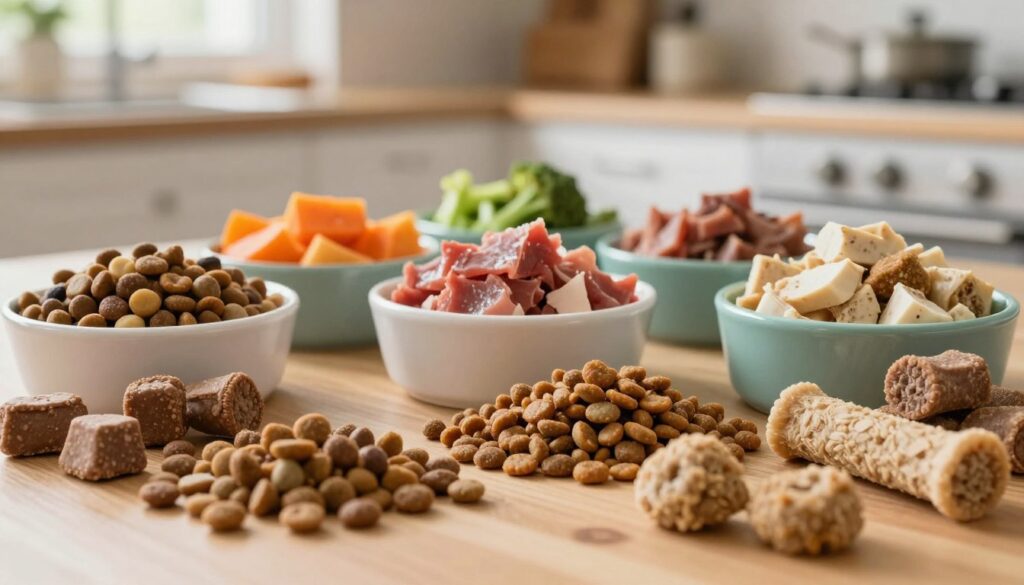
Once you choose a food type, pick one high-quality option and feed it consistently for two to three weeks. This lets you see how your dog reacts without causing confusion. Watch if your dog enjoys the food or just tolerates it.
Food preferences in dogs often hinge on protein sources. Try different proteins like chicken, beef, salmon, lamb, or novel proteins such as venison. Some dogs prefer what they ate as puppies, creating comfort and familiarity.
| Food Category | Best For | Key Features |
|---|---|---|
| Limited-Ingredient Diets | Sensitive stomachs | Single protein and carbohydrate source for easier digestion |
| Grain-Free Formulas | Dogs with grain sensitivities | Alternative carbohydrates for improved palatability |
| Active/Performance Foods | Higher energy needs | Increased fat and oil content, more aromatic appeal |
| Sensitive Recipes | Digestive issues affecting appetite | Highly digestible ingredients for better nutrient absorption |
| Puppy Formulations | Growing puppies | Balanced nutrition for development, softens easily with water |
For puppies experiencing teething discomfort, soften kibble with warm water to make eating easier. This simple adjustment can encourage better food intake during growth stages.
Once you find a food your dog thrives on and eats enthusiastically, stick with it. Consistency is key, not variety. Constantly changing foods can make pickiness worse and confuse your dog’s digestive system. Let your dog’s food preferences guide your feeding decisions for the long term.
Use Interactive Feeding Methods
Interactive feeding methods make mealtime fun for your picky eater. When your dog finds eating dull, these methods spark their interest. They turn mealtimes into games, helping your dog enjoy their food more.
Your picky eater might need mental challenges during meals. Dogs have natural instincts to forage, but these are often ignored with simple bowls. Interactive feeding methods awaken these instincts, making meals fun and rewarding.
Food Puzzle Toys and Mental Stimulation
Puzzle feeders and treat-dispensing toys are great for picky eaters. These toys require your dog to solve problems to get food. This mental exercise builds anticipation and keeps your dog engaged.
There are many interactive feeders for dogs with eating challenges:
- Puzzle feeders with sliding compartments that reveal food when moved
- Treat-dispensing balls that release kibble as your dog rolls them around
- Snuffle mats where food hides in fabric folds, mimicking natural foraging
- Slow-feeder bowls with raised patterns that turn eating into a challenge
- Multi-level puzzle toys with increasing difficulty as your dog learns
Begin with easier puzzle feeders and gradually increase the difficulty. This keeps the experience rewarding and fun.
Making Mealtime Engaging and Fun
There are more ways to make mealtime exciting. Exercise your dog 20-30 minutes before meals. This increases their appetite and makes them eager for food.
Here are some creative tips for picky eaters:
- Hand-feed small portions to anxious dogs while providing comfort and reassurance
- Hide meal portions around your home or yard for a “treasure hunt” experience
- Pretend to eat your dog’s food yourself to trigger curiosity through social modeling
- Praise your dog enthusiastically when they approach their bowl or take bites
- Divide daily meals into several smaller portions served throughout the day
Never punish or scold your picky eater for refusing food. This creates negative associations with mealtimes. Your positive energy and enthusiasm encourage your dog to enjoy eating.
Create a Stress-Free Eating Environment
Your fussy dog might not eat because of where you feed it, not the food. A stressed dog quickly loses its appetite. When your dog feels uneasy or scared at mealtime, it won’t eat, even if it’s hungry.
The space where your dog eats is key to whether it will eat its meal. Environmental stress can come from many things in your home. Loud appliances, TV noise, or busy traffic can distract your dog. If your dog eats near other pets, it might feel scared or competitive.
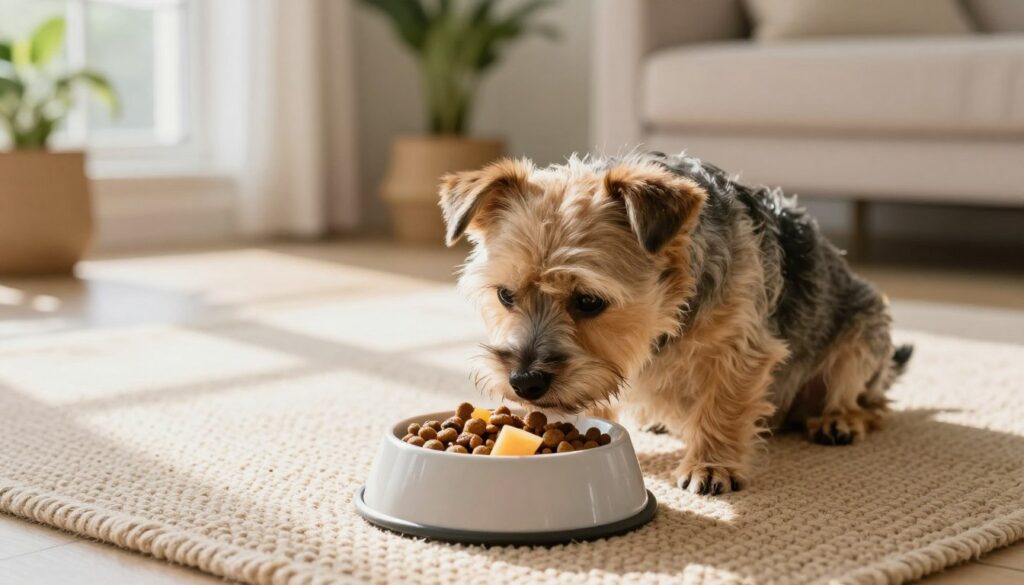
- Pick a quiet corner away from high-traffic areas
- Keep the feeding location the same every day
- Use ceramic or matte-finish bowls instead of shiny ones
- Place a rubber mat under bowls to prevent sliding
- Separate feeding areas for multi-pet households
- Consider raised feeders for large dogs or older pets
Look for signs your dog feels stressed during meals. It might approach the bowl then back away, eat a few bites before leaving, or look around nervously. Some dogs even take food to eat in a safer spot.
Your behavior during meals is important too. Stay calm and relaxed. Some dogs eat better when you’re not there, while others need you nearby. Avoid feeding your dog before or after stressful events like vet visits or when guests arrive. Soft background music or white noise can help mask startling sounds.
Being consistent helps your dog feel secure. When your dog knows where and when meals are, it feels safe. This predictability reduces anxiety and helps your dog eat better throughout the day.
Know When to Switch Dog Foods
Changing your dog’s food might be necessary. If your dog won’t eat their current food, it’s time to think about a change. Digestive issues like soft stools or vomiting could mean the food isn’t right. Skin problems or a dull coat also hint at nutritional issues.
Your vet might suggest a new food for health reasons. It’s important to switch foods safely to protect your dog’s health.
Transitioning to New Food Gradually
Don’t switch your dog’s food suddenly. A slow transition over 7 to 10 days helps avoid digestive problems. This gradual change lets your dog’s gut adjust to the new food.
Switching too fast can lead to diarrhea, vomiting, or more picky eating.
Here’s a simple transition schedule:
| Days | New Food Percentage | Current Food Percentage |
|---|---|---|
| Days 1-2 | 25% | 75% |
| Days 3-4 | 50% | 50% |
| Days 5-6 | 75% | 25% |
| Days 7-10 | 100% | 0% |
If your dog has digestive issues during the transition, slow down. Stay at the current ratio for a few more days. This gives your dog’s system more time to adjust.
If problems persist, the new food might not be right for your dog.
Choosing the Right Formula for Your Dog
Choosing the right food is crucial. Your dog’s age is the most important factor. Puppies need growth formulas, while adult dogs need maintenance diets. Senior dogs need special senior formulas.
Look for these important features in picky dog solutions:
- AAFCO certification ensuring nutritional standards are met
- Whole proteins like chicken or beef as main ingredients
- Calorie levels matching your dog’s activity and body weight
- High-quality ingredients without by-products or meals
- Consideration of any known food sensitivities
Talk to your vet before making any changes. They can recommend the best food based on your dog’s health history. For complicated cases, a board-certified veterinary nutritionist can help.
Avoid homemade diets from online recipes. They often lack essential vitamins and minerals. This can lead to serious health problems. If you want homemade feeding, work with a veterinary nutritionist.
Once you find a food your dog enjoys and thrives on, stick with it. Changing foods too often can make your dog more picky. Consistency is key.
Conclusion
You now know five ways to help your dog eat better. First, check if your dog has any health issues. Then, set a regular meal time and limit food. Make meals more exciting by changing the temperature and adding toppings.
Reduce treats and table scraps to avoid overeating. Try different foods and textures to see what your dog likes. This will help your dog enjoy meals more.
Changing your dog’s eating habits takes time. Be patient, as most dogs improve in two to three weeks. Every dog is different, so find what works best for them.
Think of these tips as tools to help your dog. Watch how they react to each change. Be flexible and adjust your approach as needed.
Your hard work will pay off. Most dogs can overcome picky eating with the right strategies. If your dog’s eating doesn’t improve or if they lose weight, seek vet help.
Dealing with a picky eater can be tough. Keep going, celebrate small victories, and remember you’re making your dog’s life better. You have the tools to make mealtime enjoyable for both of you.
FAQ
Why is my dog a picky eater and what causes finicky eating behavior?
Dogs can be picky for several reasons. Medical issues like dental disease or kidney problems can make them less hungry. They might also learn to refuse food if it doesn’t taste good.
Some dogs simply prefer certain tastes or textures. Before trying to change their eating habits, it’s important to check for any health problems. A vet can help figure out if your dog’s pickiness is due to discomfort or pain.
When should I be concerned about my dog’s refusal to eat and seek veterinary care?
If your dog won’t eat and seems tired or sick, get them to the vet right away. Even if they look healthy, a vet visit is a good first step. The vet will check for health issues that might be affecting their appetite.
They might do blood tests, urine tests, and even dental X-rays. This helps find problems like dental disease or kidney disease that could be making your dog not want to eat.
How does dental disease affect my dog’s eating habits?
Dental disease can hurt your dog’s mouth and make them not want to eat. They might pull away from their food bowl or prefer softer foods. A vet can use X-rays to find out if your dog has dental problems.
What is the best feeding schedule for addressing picky eating habits?
Feed your dog at the same times every day. Use a 15-20 minute timer to make them eat their food. This teaches them to eat when food is available.
It usually takes 7-10 days for this method to work. Stick to it to help your dog get used to eating regularly.
Is it safe for my dog to skip a meal while addressing picky eating?
Yes, it’s safe for healthy dogs to miss a meal sometimes. Missing a meal can actually make them hungrier for the next one. This method is one of the best ways to help a picky dog eat more.
How can I make my dog’s food more appealing without creating more pickiness?
You can make food more appealing in several ways. Warm the food a bit to make it smell better. Add healthy toppings like bone broth or plain yogurt.
Try mixing in some premium wet food or soaking dry food in warm water. Just remember, these additions should not make up more than 10% of their daily calories.
What is the most common overlooked reason dogs become picky eaters?
Many dogs become picky because they’re getting too many extra calories. This can be from treats, dental chews, or even medication. Keep a food diary to see if your dog is getting too many calories from extras.
Then, talk to your vet about it. They can help figure out if these extras are making your dog less hungry for regular meals.
How should I manage treats when my dog is a picky eater?
Treats should be given carefully to avoid making your dog picky. Use them only for training, and choose low-calorie options. Make sure all treats together don’t make up more than 10% of your dog’s daily calories.
Break treats into smaller pieces to give your dog more rewards without extra calories. This helps keep them from getting too full for regular meals.
Why should I avoid giving my dog table scraps and human food?
Giving your dog table scraps can be bad for them. It can make them less interested in their own food and can lead to weight gain. It also exposes them to foods that are bad for them, like onions or chocolate.
Make sure everyone in your household knows not to give your dog human food. This helps keep them healthy and addresses picky eating habits.
What are the different dog food types and how do I choose one for my picky dog?
There are many types of dog food, including dry kibble, wet food, and raw food. Try different types to see what your dog likes best. Start with one new food at a time and watch how your dog reacts.
It’s important to choose a high-quality food that meets your dog’s nutritional needs. If your dog has special dietary needs, talk to your vet about the best options.
How do protein source preferences affect my dog’s eating behavior?
Some dogs prefer certain types of protein in their food. This can be based on what they were fed as puppies. You can try different protein sources to see what your dog likes best.
This can help you find a food that your dog will enjoy and eat eagerly.
What should I do if my finicky dog has a sensitive stomach?
If your dog has a sensitive stomach, try a limited-ingredient diet. These diets have fewer ingredients and are easier for sensitive stomachs to digest. You can also try grain-free foods if your dog has an intolerance to grains.
Always introduce new foods slowly to prevent digestive upset. If your dog has a sensitive stomach, it’s best to consult with your vet before making any changes to their diet.
How can interactive feeding methods help with my dog’s picky eating?
Interactive feeding methods can make mealtime more fun for your dog. Use puzzle toys or treat-dispensing toys to challenge your dog and make them more interested in their food.
These methods are especially helpful for smart dogs who get bored easily. They provide mental stimulation and can increase your dog’s appetite.
What are additional engaging mealtime strategies for picky eaters?
There are many ways to make mealtime more engaging for picky eaters. Exercise your dog before meals to increase their appetite. Hand-feed small portions to anxious eaters.
Try dividing meals into smaller portions and hiding them around the house. This can make mealtime a fun treasure hunt. Always praise your dog when they eat, as positive reinforcement can help.
What environmental factors affect whether my dog will eat?
The environment can greatly affect your dog’s appetite. Choose a quiet spot for feeding to reduce stress. Use the same spot every time for consistency.
Keep multiple pets’ bowls separate to prevent competition. Use ceramic or matte-finish bowls to reduce reflections. A calm and relaxed atmosphere during meals is also important.
Should I stay in the room while my dog eats?
It depends on your dog’s personality. Some dogs prefer privacy, while others need reassurance. Watch how your dog reacts to see what works best for them.
Being nearby can help anxious dogs feel more secure, while others may prefer to eat alone.
What is the proper way to transition my dog to a new food?
Transitioning to a new food should be done slowly to avoid digestive upset. Start by mixing a small amount of the new food with their current food. Gradually increase the amount of new food over 7-10 days.
If your dog has digestive issues, slow down the transition even more. If problems persist, the new food may not be suitable for your dog.
How do I choose the right dog food formula for my picky eater?
Choosing the right dog food involves considering several factors. Look for a food that matches your dog’s life stage and meets their nutritional needs. Consider your dog’s preferences and any health conditions they may have.
Consult with your vet to determine the best food for your dog. They can help you choose a food that will meet your dog’s needs and address any picky eating habits.
Are homemade dog diets a good option for picky eaters?
Homemade diets may seem appealing, but they can be nutritionally incomplete. Most recipes online lack essential nutrients that can harm your dog’s health over time. If you’re interested in homemade feeding, work with a vet nutritionist to ensure your dog gets all the necessary nutrients.
How long does it take to see improvement in my dog’s eating habits?
Most dogs start to show improvement in 2-3 weeks with consistent effort. The scheduled feeding approach can show results in as little as 7-10 days. Be patient and keep up the good work, as it may take time to see lasting changes.
What should I do if my dog’s picky eating doesn’t improve after trying these strategies?
If your dog’s eating habits don’t get better, don’t hesitate to see your vet. They can help identify any underlying health issues that may be causing the pickiness. Your vet may also recommend a vet nutritionist for more complex cases.
Seeking professional help is a responsible step to ensure your dog’s health and wellbeing.
How can I tell the difference between medical pickiness and behavioral pickiness?
If your dog shows interest in treats but refuses regular food, it might be behavioral pickiness. However, if they refuse all food and seem tired or sick, it could be a medical issue. Look for signs of pain or discomfort, like pulling away from their bowl.
Some medications can also suppress appetite. Your vet can help determine the cause and find a solution.
What role does consistency play in solving my dog’s picky eating problem?
Consistency is key in addressing picky eating. Feed your dog at the same times and in the same spot every day. Use the same bowl and feeding method to create a routine.
Stick to one food once you find one your dog enjoys. This helps regulate their metabolism and makes them more likely to eat when food is offered.
Can I soften kibble for my dog, and when should I do this?
Yes, you can soften kibble to make it easier for your dog to eat. Soak it in warm water or broth for 10-15 minutes. This is especially helpful for puppies with sore mouths or dental issues.
Just make sure to use puppy-specific food for their growth and development.
How does exercise affect my dog’s appetite and eating habits?
Exercise can increase your dog’s appetite. Take them for a walk or play with them before meals. This can make them hungrier and more interested in their food.
This method is especially helpful for dogs that don’t seem to want to eat.
What signs indicate my dog has a genuine food preference versus a behavioral issue?
Dogs with genuine food preferences will show clear interest in certain foods but not others. They will still eat regularly. On the other hand, dogs with behavioral pickiness will refuse all regular food but eat treats or table scraps eagerly.
This indicates that the issue is not lack of appetite but rather selectivity.
Should I be concerned about grain-free diets for my picky dog?
Grain-free diets may be a good option for some dogs, but they can also have risks. The FDA has linked them to heart disease in some breeds. Before switching to grain-free, talk to your vet about the benefits and risks for your dog.
What is the importance of bowl selection in addressing finicky eating?
The type of bowl you use can affect your dog’s appetite. Some dogs prefer ceramic or matte-finish bowls over shiny stainless steel. Bowl height is also important, especially for large dogs or those with arthritis.
Make sure to wash bowls daily to remove any residue that may affect your dog’s appetite. Place rubber mats under bowls to prevent them from sliding.
How can I get all household members to follow the same feeding rules for my picky eater?
Establish a firm rule against giving your dog human food. Educate everyone in your household about the importance of this rule. Make sure visitors understand it too.
Offer alternative ways to show love, like playtime or walks, instead of food. This helps prevent sneaky snacking that can undermine your feeding plan.
What is a food diary and how does it help with picky eaters?
A food diary is a detailed record of everything your dog eats. It helps you see if they’re getting too many extra calories from treats or other sources. Work with your vet to determine if these extras are affecting their appetite.
Can anxiety or stress affect my dog’s willingness to eat?
Yes, anxiety and stress can make dogs less hungry. Common stressors include loud noises or high-traffic areas. Try to create a calm environment during meals to help your dog feel more relaxed.