6 Best Tasting Dry Dog Foods for Fussy Eaters
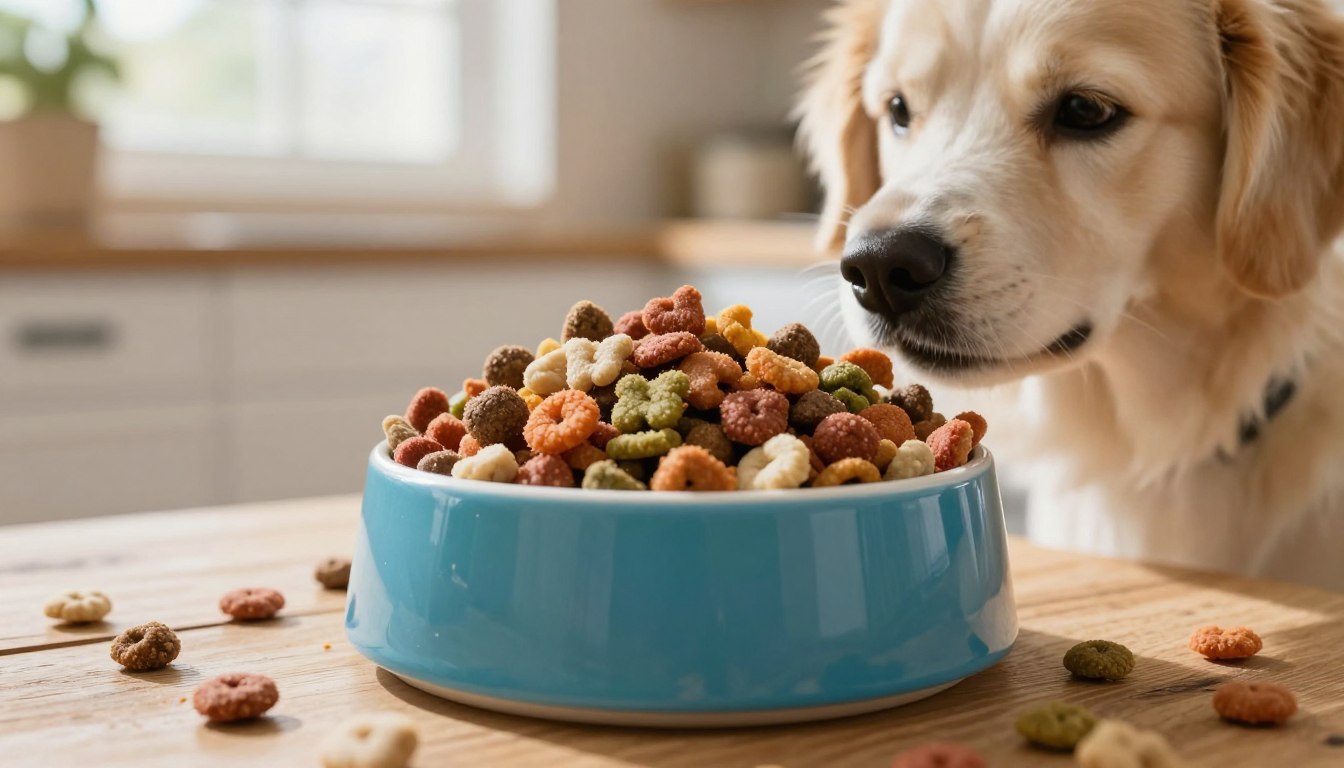
Your dog turns away from their bowl. They sniff the kibble and then go nap. This scene frustrates many pet parents who want their dogs to eat well and stay healthy.
Finding the right dry dog food for picky eaters is possible. While wet foods might be more appealing, some dry kibbles are made to tempt even the pickiest dogs. They use real meat proteins, natural flavor boosters, and crunchy textures that dogs love.
Pet parents often think dry food can’t compare to wet options. Dog Food Advisor research shows wet foods have stronger smells and tastes because they cook at lower temperatures. Dry kibbles, on the other hand, are cooked at high heat, which can reduce their flavor. Top rated dog food brands for picky eaters have found ways to make their dry foods taste better.
This guide presents six top rated dog food options that are tasty and nutritious. Each was chosen based on veterinary advice, AAFCO standards, quality ingredients, and feedback from dog owners. You’ll learn what makes these dry foods appealing to fussy eaters and get tips to make mealtime enjoyable again.
Finding the best tasting dry dog food for your companion requires knowledge and patience. Your effort to choose quality nutrition will be worth it when your dog starts eating with enthusiasm.
Table of Contents
Understanding Why Your Dog Is a Picky Eater
Before picking the right healthy dry dog food, know why your dog is picky. Picky eating in dogs often has a reason. It could be health issues, learned habits, or breed tendencies. Finding the cause helps meet your pet’s nutritional needs.
Picky eating can come from many sources. Some dogs avoid food due to pain or discomfort. Others learn that waiting for food can lead to better options. Certain breeds are naturally more selective about what they eat. Knowing these differences is key before changing foods or adding supplements.
Medical Conditions That Affect Appetite
Your dog’s appetite changes might signal health problems. Dental disease makes chewing painful, so they avoid hard kibble. Gastrointestinal issues, nausea, and mouth pain also reduce interest in eating. Some dogs get too full from too many treats or table scraps.
A sudden loss of appetite needs vet attention. Your vet can check for serious conditions before assuming your dog is just being fussy. Medical problems need treatment, not just food changes.
- Dental disease and tooth pain
- Gastrointestinal problems and digestive upset
- Nausea and pain signals
- Excessive treats reducing meal appetite
- Underlying infections or illnesses
Behavioral Causes of Fussy Eating
Dogs learn that refusing food can lead to better options. If you offer different food or treats after they refuse, you’ve taught them to be picky. This creates a cycle of selective eating.
Environmental stress affects your dog’s appetite. Mealtime harassment from other pets, changes in your home, or inconsistent feeding routines all impact appetite. Dogs need calm, predictable feeding schedules to eat well.
| Behavioral Factor | How It Affects Eating | Solution |
|---|---|---|
| Learned pickiness | Dog refuses food hoping for better options | Never offer alternatives when dog refuses meals |
| Stress and anxiety | Environmental changes reduce appetite | Create calm, quiet feeding spaces |
| Inconsistent routines | Unpredictable feeding times cause confusion | Feed at the same times every day |
| Mealtime harassment | Other pets interrupt eating | Feed dogs separately in quiet areas |
Breed-Specific Eating Habits
Small and toy breeds are naturally more selective eaters. Chihuahuas, Yorkshire Terriers, and Maltese dogs have higher metabolic rates and smaller stomach capacities. They often need smaller kibble sizes and more frequent meals. Puppies during teething phases also become pickier about solid foods.
Large breed dogs sometimes have different nutritional needs. Giant breeds face specific health concerns requiring specially formulated healthy dry dog food. Understanding your breed’s natural eating patterns helps you select appropriate nutrition from the start.
- Small breeds require smaller kibble pieces
- Toy breeds have faster metabolisms
- Puppies during teething may be extra selective
- Large breeds need size-appropriate formulas
- Senior dogs may prefer softer textures
Age and life stage significantly influence eating preferences. Puppies navigate teething discomfort. Adult dogs settle into stable eating patterns. Senior dogs sometimes prefer moistened kibble over hard pieces. Your dog’s healthy dry dog food choice should match their specific life stage and individual needs.
What Makes Dry Dog Food Appealing to Picky Dogs
Your picky dog relies on senses you don’t fully understand. A dog’s sense of smell is about 10,000 to 100,000 times better than yours. This means your dog experiences food very differently than you do. When your pup sniffs their bowl, they’re detecting thousands of scent compounds. These smells determine whether they’ll eat or walk away.
High quality dog food manufacturers understand this difference. They use special techniques to make delicious dry dog food that appeals to selective eaters. Unlike wet food with 75% moisture, dry kibble contains only about 10% moisture. Despite this lower moisture content, quality formulas still deliver strong, appetizing smells through strategic ingredient choices and coating methods.
The cooking process matters greatly for your dog’s interest in their meal. During food preparation, the Maillard reaction creates appealing flavors and aromas in quality kibble. Premium manufacturers add natural flavor enhancers like chicken fat, fish oil, and bone broth coatings to make each piece more enticing to your fussy companion.
When selecting delicious dry dog food, look for these important features:
- Fresh, named meat proteins like chicken or beef as the first ingredient
- Natural fat coatings that boost aroma and taste
- Minimal processing temperatures to preserve natural flavors
- Quality ingredients that maintain nutritional value
High quality dog food gives your picky eater the dental benefits and convenience of dry kibble while satisfying their powerful sense of smell and taste preferences.
Key Features to Look for in Best Tasting Dry Dog Food
Finding the right premium dry dog food for your picky eater is key. It’s about understanding what makes kibble appealing to dogs. Your dog’s taste, nutritional needs, and physical traits all matter in choosing the best food.
When shopping, focus on features that boost flavor and nutrition. All good formulas must meet AAFCO standards. This ensures your dog gets the right nutrition for their life stage.
The ingredients list and guaranteed analysis reveal what your dog eats. Dry matter analysis shows nutrient levels after water is removed. This helps you compare and choose quality food.
High-Quality Protein Sources
Look for named animal proteins as the first ingredient. Whole meats like chicken, beef, turkey, salmon, or lamb are best. Your dog benefits from multiple protein sources in the top five ingredients.
- Whole meats provide superior nutrition and taste
- Quality meat meals offer concentrated protein levels
- By-products provide less nutritional value
- Higher protein content (25-40% on dry matter basis) improves palatability
Dogs are carnivores, so they love high-protein food. Fresh or dehydrated proteins taste better and digest better than lower-quality options.
Palatability and Aroma Enhancement
Manufacturers use natural flavors to make food more appealing. Animal fats, natural broths, and freeze-dried coatings make kibble more enticing. Moderate fat content around 15-20% adds flavor without losing nutritional balance.
| Enhancement Method | Benefit to Your Dog | Nutritional Impact |
|---|---|---|
| Animal Fats | Improves taste and aroma | Provides essential fatty acids |
| Natural Broths | Creates savory appeal | Adds moisture and flavor |
| Freeze-Dried Coatings | Enhances visual and taste appeal | Retains nutrients from raw ingredients |
Texture and Kibble Size Considerations
Your dog’s breed and jaw structure affect kibble size. Small breeds need smaller pieces to avoid choking. Large breeds may prefer bigger chunks. Kibble shape and density also impact the eating experience.
Some dogs like crunchy textures for satisfying chewing. Others prefer softer kibbles. Premium dry dog food comes in various densities to meet different preferences. Always check the AAFCO nutritional adequacy statement to ensure you’re choosing the right food for your picky eater.
Orijen Original Dry Dog Food
Orijen Original is a top pick for dogs who are picky but want the best. Champion Petfoods makes it, following a “biologically appropriate” approach. This means your dog gets 85% animal ingredients and 15% fruits, veggies, and botanicals.
This food has protein from fresh chicken, turkey, flounder, and mackerel. It offers a rich flavor that picky dogs love. Your dog will get 43% protein on a dry matter basis, more than most foods.
The fat-to-protein ratio is 47%, keeping your dog full and happy. The freeze-dried liver coating adds to the taste without artificial flavors. It’s grain-free, with whole prey ratios for natural vitamins and minerals.
Pet parents see big changes. Dogs that wouldn’t eat before now gobble up Orijen. They often finish their meals for the first time.
- 43% protein content exceeds typical commercial options
- Fresh whole animal proteins create appealing flavors
- Grain-free formula suits all life stages
- Freeze-dried liver coating enhances taste naturally
- Suitable for puppies and large breed dogs
The high price is for the quality and nutrition. Your dog might eat less because each bite is packed with calories and nutrients. It’s a good investment for pet owners who want the best for their dogs.
Canidae Chicken and Rice Formula
Canidae Chicken and Rice Formula is a top pick for dogs who are picky but need quality and affordability. It comes in both wet and dry forms, catering to different preferences. The dry version is more budget-friendly without sacrificing nutritional value.
Many dog owners choose Canidae for its balance of premium ingredients and cost. It uses fresh chicken as its main protein source, which dogs love. This makes it perfect for dogs who are fussy about their food.
Nutritional Benefits for Fussy Eaters
This dog food meets all life stages’ nutritional needs, following AAFCO standards. It includes brown rice for easy digestion and fiber. This is great for dogs with sensitive stomachs.
The nutritional profile is as follows:
| Nutrient | Percentage | Purpose |
|---|---|---|
| Protein (dry matter) | 41% | Builds and maintains lean muscle mass |
| Fat (dry matter) | 30% | Supports skin and coat health |
| Carbohydrates (estimated) | 22% | Provides energy and digestive fiber |
| Fat-to-protein ratio | 72% | Balances growth and metabolism |
Canidae also includes probiotics to aid digestion and improve appetite. It has vitamins and minerals to ensure dogs get enough nutrition, even if they eat less.
Affordability and Value
This dog food offers high-quality ingredients at a price that’s easy on the wallet. It’s a great value, especially for families with multiple dogs or large breeds.
Benefits include:
- Wide availability at major pet retailers nationwide
- Consistent pricing across different stores
- Easy access maintains diet consistency for picky eaters
- No frequent food changes that cause resistance
- Cost-effective nutrition without sacrificing quality
Many pet owners say their picky dogs love this food. A 12-pound terrier mix with a sensitive stomach gave it five stars. The combination of chicken and brown rice makes it a smart choice for fussy eaters.
Premium Dry Dog Food Options for Selective Eaters
If your dog is picky about food, premium dry dog food brands have solutions. They use high-quality protein and nutrient-dense formulas. This makes the food more appealing and nutritious for fussy dogs.
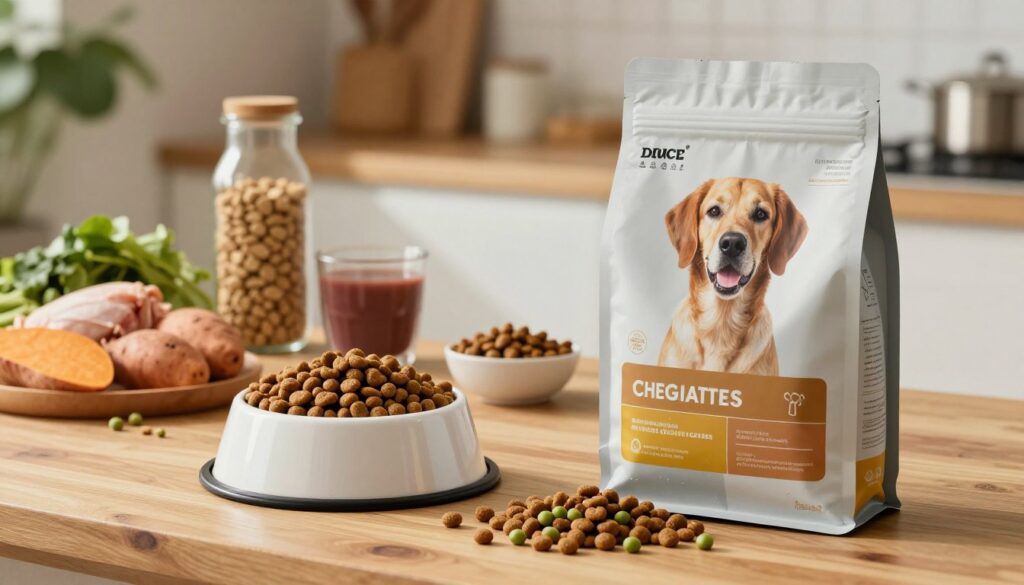
Vets often suggest Hill’s Science Diet, Purina Pro Plan, and Royal Canin. These brands do a lot of research to make food that picky dogs will like. They have different formulas for different life stages and health needs.
Premium options include:
- High-quality protein from single-source ingredients
- Limited ingredient formulations for sensitive stomachs
- Novel proteins like venison, bison, and wild boar
- Enhanced palatability through specialized flavor profiles
- Added probiotics and omega fatty acids
Wellness CORE and Taste of the Wild are popular choices. Wellness CORE is grain-free and rich in protein, with digestive support. Taste of the Wild uses unique proteins to keep dogs interested in their food.
Rotational feeding is another good strategy. It keeps your dog interested in their food by changing it up. Start by mixing a little new food with their current food. Gradually increase the new food over seven to ten days.
| Premium Brand | Key Feature | Best For | Protein Content |
|---|---|---|---|
| Hill’s Science Diet | Vet-developed research-backed formula | Dogs needing prescription or specialized diets | 22-28% |
| Purina Pro Plan | Scientific backing with affordability | Multiple life stages and health conditions | 25-30% |
| Royal Canin | Breed-specific kibble sizes and shapes | Dogs with specific breed nutrition needs | 21-28% |
| Wellness CORE | Grain-free with probiotics and omega oils | Dogs requiring digestive support | 38-40% |
| Taste of the Wild | Novel proteins preventing food boredom | Selective eaters tired of traditional meats | 27-32% |
Boutique brands offer special, high-quality protein formulas for dogs with food sensitivities. These formulas address specific dietary needs while keeping the nutrition balanced. The higher cost is due to the quality of ingredients and the special formulation.
Think about whether the premium price is worth it for your dog. Some dogs do great on premium food, while others prefer mid-range options. Talk to your vet about your dog’s preferences and health to find the best food.
Small Breed Dry Dog Food for Picky Eaters
Small breed dogs have special dietary needs. They need food that fits their size and metabolism. Chihuahuas, Pomeranians, and Yorkshire Terriers are picky eaters. Their small jaws and sensitive palates require kibble that’s easy to chew.
These tiny dogs burn calories quickly. They need food with more calories to keep up with their energy. Standard kibble can be a choking hazard for them. So, finding the right food is crucial for small breed picky eaters.
Merrick Lil’ Plates Features
Merrick Lil’ Plates is a top choice for small breeds. It has kibble pieces that are just right for small mouths. Your dog can easily pick up these pieces during meals.
The formula includes real beef and a rich gravy. Small dogs love the taste. It also has 44% protein to help with their fast metabolism.
- Joint-supporting ingredients including glucosamine and chondroitin
- Prebiotics and probiotics for healthy digestion
- Above-average Omega-3 fatty acids for skin health
- Real vegetables mixed throughout
- Higher calorie density than standard formulas
Portion Sizes and Feeding Guidelines
Standard dog food packages often suggest too much food for small dogs. They have smaller stomachs than big dogs. Feeding them in small, frequent meals helps prevent pickiness.
To figure out the right amount, think about your dog’s weight and activity level. Small dogs need more calories per pound than big dogs. A senior dog owner found that mixing this food with wet portions makes meals more appealing.
| Dog Weight Range | Daily Caloric Needs | Typical Daily Portions |
|---|---|---|
| 2-5 pounds | 200-350 calories | 1/3 to 1/2 cup |
| 6-10 pounds | 350-500 calories | 1/2 to 3/4 cup |
| 11-15 pounds | 500-650 calories | 3/4 to 1 cup |
Mixing a little wet food with dry kibble makes meals more appealing for picky eaters. This mix keeps the nutrition balanced while meeting your small breed’s taste preferences.
Large Breed Considerations for Fussy Dogs
Large breed dogs face special challenges when they become picky eaters. They need a lot of food to stay healthy and full of energy. If they don’t get enough, they can lose weight and lack important nutrients.
These dogs, usually over 50 pounds, need special food. Their big size means they need the right mix of calcium and phosphorus. This is crucial for puppies’ bones to grow right. For giant breeds over 100 pounds, the right food helps with joint health too.
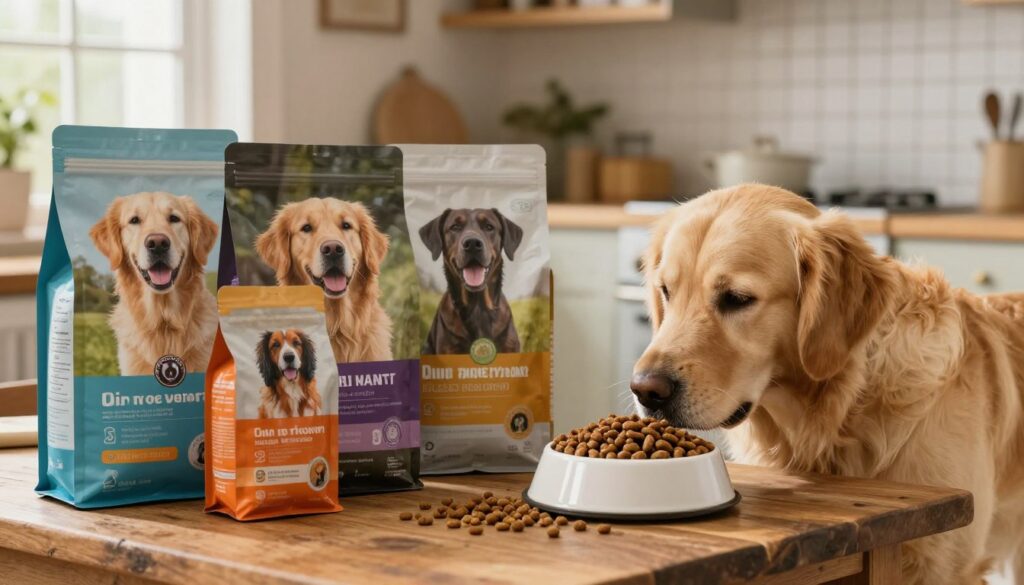
Quality breed-specific formulas have features that large breed dogs like:
- Larger kibble sizes (typically 3/4 inch or bigger) that are easier for big dogs to pick up
- Controlled calorie density to promote steady growth in puppies and ideal body condition in adults
- Elevated glucosamine and chondroitin levels supporting joint health
- Proper calcium levels appropriate for large breed puppies
Orijen Original is great for all life stages, including large breeds. It meets their nutritional needs. Always check if dog food is made for large breeds.
Try adding warm water or bone broth to kibble to make it smell better. Use puzzle feeders and slow-feed bowls to make mealtime fun. These ideas help your large breed dog eat well and stay healthy.
Tips to Encourage Your Picky Dog to Eat Dry Food
Getting your fussy dog to eat dry food takes patience and smart feeding strategies. You have many tools to help your picky eater enjoy meals. By using appetite stimulation techniques and creating better mealtime habits, you can make feeding time enjoyable for your dog.
Your approach to introducing new food matters greatly. Making gradual changes, adding tasty toppers, and sticking to regular meal schedules can make a real difference. Let’s explore each of these important feeding strategies in detail.
Transitioning to New Food Gradually
When switching your dog to new dry food, do it slowly. This prevents upset stomachs and negative eating habits. A fast change can cause vomiting, diarrhea, and gas, making your dog dislike the new food even more.
Follow this seven to ten day transition schedule:
| Days | New Food Percentage | Old Food Percentage |
|---|---|---|
| Days 1-2 | 25% | 75% |
| Days 3-4 | 50% | 50% |
| Days 5-6 | 75% | 25% |
| Days 7-10 | 100% | 0% |
If your dog has a sensitive stomach, extend this process to fourteen days or longer. Watch for signs that the transition is moving too fast, such as loose stools or refusal to eat. If you notice these issues, slow down the process and give your dog’s digestive system more time to adjust.
Adding Toppers and Flavor Enhancers
Toppers can work wonders for appetite stimulation when used correctly. Small amounts of wet food, bone broth, or freeze-dried meat make dry kibble much more appealing to picky eaters.
Consider these topper options:
- The Pets Table Air Dried Beef and Berries with twenty-nine percent protein
- Stella & Chewy’s freeze-dried raw meat options
- Plain cooked chicken breast
- Warm bone broth poured over kibble
- Purina Pro Plan meal enhancements
Keep toppers to no more than ten to twenty-five percent of the meal. Using too much prevents your dog from eating the actual kibble and throws off nutrition. Warming toppers to body temperature (around one hundred degrees Fahrenheit) releases aromas and makes food smell stronger, making it more inviting to your picky dog.
Establishing Consistent Feeding Routines
Structure matters more than you might think. Feeding your dog at the same times each day helps regulate hunger hormones and builds anticipation for meals.
Follow these feeding routine guidelines:
- Set specific feeding times each day
- Leave food down for only fifteen to thirty minutes
- Remove uneaten food after the time limit ends
- Create a calm, quiet feeding space away from distractions
- Exercise your dog before meals to boost appetite
- Avoid giving treats and table scraps between meals
Leaving food available all day weakens your dog’s eating drive. When meals appear at set times, your picky eater learns that food is temporary. This makes them more likely to eat when you offer meals. Exercise before feeding time naturally increases appetite through physical activity, creating positive connections with mealtime.
Quiet, stress-free feeding spaces help your dog focus on eating without worrying about other things. Keep other pets away during mealtime and avoid loud noises that might distract your fussy eater from their food.
Conclusion
Finding the right dry dog food for your picky eater is a journey. You’ve explored six top picks like Orijen Original and Canidae Chicken and Rice Formula. Each food meets different needs based on your dog’s age, size, and budget. Remember, your dog’s preferences are key when choosing their meals.
Before switching your dog’s food, consult your vet. This is especially important if your dog is new to being picky or shows signs of illness. Signs like weight loss, lack of appetite, or sickness need vet attention. Your vet can check for dental disease, digestive issues, and other health problems.
Use what you’ve learned to create a feeding plan for your dog. Focus on high-quality protein, strong smells, and the right kibble size. Gradually introducing new foods, using food toppers, and keeping routines can help. This way, your dog will enjoy their meals more.
Your hard work in finding the perfect food will greatly benefit your dog’s health and happiness. A well-fed picky eater has more energy, a stronger immune system, and a better life. Making smart choices about nutrition now will ensure your dog’s well-being for years to come. Even the most stubborn eaters can thrive with the right food and feeding strategies.
FAQ
What are the best tasting dry dog foods for picky eaters?
Top picks include Orijen Original with its 85% animal ingredients and freeze-dried liver coating. Canidae Chicken and Rice Formula offers quality at a good price. Merrick Lil’ Plates is great for small breeds with the right kibble size.
Premium options like Hill’s Science Diet, Purina Pro Plan, Royal Canin, Wellness CORE, and Taste of the Wild also stand out. They combine great taste with complete nutrition through high-quality proteins and natural flavor enhancers.
Why is my dog suddenly refusing to eat their dry dog food?
Sudden changes in appetite can signal health issues like dental disease or gastrointestinal problems. It’s key to talk to your vet before thinking your dog is just being picky. Changes in eating habits can mean there’s a health problem that needs attention.
Can behavioral issues cause picky eating in dogs?
Yes, behavioral factors play a big role in picky eating. Dogs might learn to refuse food to get better options, leading to selective eating. Stress, anxiety, and inconsistent feeding times can also make dogs picky.
Setting a regular feeding schedule and a calm eating area can help solve behavioral pickiness.
Are certain dog breeds more prone to picky eating?
Yes, small and toy breeds like Chihuahuas and Yorkshire Terriers tend to be pickier. They have higher metabolisms and smaller stomachs. They need smaller kibble and formulas with more calories to meet their energy needs.
How do dogs choose foods based on smell and taste?
Dogs use their superior sense of smell to pick food. High-quality dog foods use natural meat aromas and fats to attract dogs. They also have freeze-dried meat coatings and chicken fat to make food more appealing.
The Maillard reaction during cooking adds flavors and aromas that make premium kibble more tasty.
What should be the first ingredient in the best healthy dry dog food?
The first ingredient should be named animal proteins like chicken or beef. Choose fresh or dehydrated whole meats over meat meals or by-products for better nutrition. Having multiple protein sources in the top ingredients adds flavor and nutrition.
What protein percentage should I look for in premium dry dog food?
Look for 25-40% protein on a dry matter basis for better taste and nutrition. Orijen Original has an impressive 43% protein content, which is great for picky eaters who eat less.
How does fat content affect dog food palatability and nutrition?
A: Moderate fat content (around 15-20%) makes food taste better and keeps it balanced. Fats are essential for energy and skin health. But, too much fat can cause obesity, and too little may reduce appetite.
Why is kibble size important for picky eaters?
Kibble size affects the eating experience. Small breeds need smaller kibble pieces for easy chewing. Large breeds prefer larger kibble for a satisfying crunch. The right size prevents mealtime frustration and encourages eating.
What makes Orijen Original a top rated dog food for fussy eaters?
A: Orijen Original is known for its “biologically appropriate” philosophy. It has 85% quality animal ingredients and only 15% fruits and vegetables. It uses multiple proteins and has a freeze-dried liver coating for better taste. Real customers say it makes picky dogs eager to eat.
Is Canidae Chicken and Rice Formula a good choice for budget-conscious owners?
Yes, Canidae Chicken and Rice Formula is a great value. It has chicken as the first ingredient and includes brown rice for digestive health. It’s available at a mid-range price that’s affordable for most families.
What are the benefits of wholesome brown rice in dry dog food?
A: Wholesome brown rice is easily digestible and supports stomach health. It helps stabilize blood sugar and provides energy throughout the day. It’s especially good for picky eaters with sensitive stomachs.
What prescription and science-based dog food brands does a veterinarian recommend?
A: Hill’s Science Diet is widely trusted by vets for its research and feeding trials. Purina Pro Plan offers affordable, scientifically-backed formulas for different life stages and sizes. Both brands are developed with vet oversight and proven to improve appetite in picky eaters.
How can breed-specific formulas help with picky eating?
A: Royal Canin’s breed-specific formulas address unique nutritional needs and eating preferences. They tailor kibble size, shape, and flavor to specific breeds. This targeted approach can significantly improve acceptance among fussy eaters by accommodating breed-specific jaw structures, metabolic rates, and taste preferences.
What is rotational feeding and how can it help prevent food boredom?
A: Rotational feeding involves gradually introducing variety through different premium formulas while maintaining nutritional consistency. This approach prevents food boredom that can develop when dogs eat the same formula long-term, encouraging appetite while allowing you to identify which foods your picky eater finds most palatable.
Why do small breed dogs tend to be pickier eaters?
Small breeds like Chihuahuas and Pomeranians have higher metabolic rates and smaller stomach capacities. They often have more refined palates. They require appropriately sized kibble pieces, higher calorie density formulas, and enhanced palatability features to encourage consistent eating.
What special features does Merrick Lil’ Plates offer for small breed picky eaters?
A: Merrick Lil’ Plates features appropriately sized kibble pieces (typically 1/4 to 1/2 inch) that are easier for tiny jaws to grasp and chew, reducing mealtime frustration. The formula includes higher calorie density to meet elevated energy needs, elevated protein levels supporting faster metabolisms, added joint-supporting ingredients like glucosamine and chondroitin, real beef as the first ingredient, and a rich gravy coating appealing to selective palates.
How should I transition my dog to a new dry dog food?
Follow a 7-10 day transition schedule starting with 25% new food mixed with 75% old food, gradually shifting the ratio every 2-3 days until reaching 100% new food. For dogs with sensitive stomachs, extend the transition to 14 days or longer. Abrupt food changes can cause gastrointestinal upset and create negative associations with new foods, worsening picky eating.
What toppers can I add to dry dog food to enhance palatability?
Effective toppers include wet food, bone broth, plain cooked chicken, freeze-dried raw meat, and specialized food toppers like The Pets Table Air Dried formulas and Stella & Chewy’s freeze-dried raw options. Add toppers in 10-25% portions of the meal to enhance palatability without creating nutritional imbalances. Warming dry food slightly with warm water or bone broth releases aromas and creates more appealing textures.
Why is the 15-30 minute feeding rule important for picky eaters?
Removing uneaten food after 15-30 minutes teaches your dog that meals are available for limited periods, encouraging them to eat when food is offered. This practice combats free feeding (leaving food down all day), which often worsens picky eating by allowing dogs to graze and reducing hunger-driven motivation to consume meals.
How does establishing consistent feeding routines improve eating behavior?
Feeding at the same times each day helps regulate hunger hormones and creates positive anticipation for meals. A consistent routine creates structure and predictability, reducing anxiety-related pickiness. Combined with a calm, quiet feeding environment free from distractions, competition, or stress, consistent routines significantly improve eating behaviors in picky dogs.
Can pre-meal exercise stimulate appetite in picky eaters?
Yes, pre-meal exercise or play sessions stimulate appetite through physical activity while building positive associations with mealtime. Activity increases metabolism and hunger hormones, making dogs more eager to eat when meal time arrives. This practice is particularly effective for picky eaters who lack natural mealtime enthusiasm.
What should I do if my dog’s picky eating is accompanied by other symptoms?
If your dog’s picky eating is accompanied by weight loss, lethargy, vomiting, diarrhea, or if it represents a sudden change in behavior, consult your veterinarian immediately. These symptoms can indicate underlying medical conditions including dental disease, gastrointestinal disorders, kidney disease, or other health issues requiring professional diagnosis and treatment rather than dietary solutions alone.
How long does it typically take to transition a picky dog to a new food?
Most dogs transition successfully within 7-10 days using the gradual mixing method. However, dogs with particularly sensitive stomachs may require 14 days or longer. Watch for signs of gastrointestinal upset including vomiting, diarrhea, or gas, and extend the transition period if these occur. Individual timelines vary based on your dog’s digestive sensitivity.
Are there limited ingredient dog food options for dogs with food sensitivities?
Yes, boutique brands offer single-source proteins and limited ingredient formulations specifically designed for dogs with suspected food sensitivities that may contribute to picky eating. These specialized formulas eliminate common allergens and potential irritants, sometimes improving appetite in dogs whose selectivity stems from gastrointestinal discomfort rather than behavioral preferences.
How can puzzle feeders help encourage picky large breed dogs to eat?
A: Puzzle feeders and slow-feed bowls make mealtime more engaging and mentally stimulating for large breed picky eaters. These tools slow consumption, increase interaction with food, and create a more enjoyable eating experience that can overcome behavioral reluctance to eat while supporting digestive health through slower eating rates.
What is the difference between high-quality meat meals and meat by-products?
A: Quality meat meals are made from rendered whole animal tissues and provide concentrated protein and nutrients. By-products are lower-quality ingredients containing parts less desirable for human consumption. Fresh or dehydrated whole meats are superior to both, providing better taste appeal and nutrition. Always prioritize named meat sources and whole meats in the ingredient list for premium dry dog food.
How does adding warm water to dry kibble affect nutrition and palatability?
Adding warm water or bone broth to kibble enhances aroma, releases flavors, and creates a softer texture without significantly altering nutritional balance. This technique is particularly effective for picky eaters and senior dogs with dental issues, making kibble more appealing while maintaining the nutritional integrity of the formula.
What AAFCO standards should I look for on dog food labels?
Look for an AAFCO nutritional adequacy statement confirming that the food meets complete and balanced nutrition standards for your dog’s life stage (puppy, adult, or senior) and size