Can Cats Have Sardines in Olive Oil Safely?
You want to give your cat the best treats. When you open a can of sardines, your cat gets excited. They love the smell and can’t wait to try it.
Many cat owners wonder if it’s safe to share this snack. The good news is yes, cats can have sardines in olive oil. But, there are some limits to keep in mind.
Sardines are full of nutrients that cats need. They have omega-3 fatty acids and high-quality protein. These are essential for your cat’s health.
The problem is the olive oil. While it’s not toxic, it has too much fat. Eating sardines in olive oil too often can upset your cat’s stomach or make them gain weight. It’s better to choose water-packed sardines without salt for treats.
It’s important to know how to serve sardines to your cat. The oil adds extra calories that indoor cats don’t need. Their digestive system prefers simpler, lighter foods.
This guide will help you make the right choices for your cat. You’ll learn why sardines are good for cats and why water-packed ones are better. You’ll also find out how often and how to prepare sardines safely for your cat.
Protecting your cat’s health is your responsibility. Making smart choices about treats shows you care. This article will tell you everything you need to know about giving sardines in olive oil to your cat.
Table of Contents
Understanding Sardines as a Treat for Your Cat
Sardines are a favorite among cat owners. Cats find them irresistible, and there’s a reason for it. Knowing why cats love sardines and what they get from them helps you choose the right treats for your pet.
Why Cats Are Naturally Drawn to Sardines
Cats are naturally drawn to sardines. They are obligate carnivores, needing animal meat to survive. The smell of sardines triggers their hunting instincts, making them hard to resist.
The smell of sardines is strong and catches your cat’s attention from far away. Their noses are better at detecting these scents than humans. This is why cats get excited when they smell sardines.
Nutritional Profile of Sardines for Feline Health
Sardines are packed with nutrients that are good for cats. They are small but full of important nutrients:
- Omega-3 Fatty Acids: Good for the heart, reduces inflammation, and keeps skin and coat healthy
- Vitamin D: Helps bones grow and absorb calcium
- Taurine: An amino acid cats need for heart and eye health
- High-Quality Protein: Lean protein for muscle health
- Calcium: In sardine bones, supports strong bones
- Selenium: Boosts the immune system and protects cells
- Vitamin B12: Supports the nervous system and energy
EPA and DHA fatty acids in sardines are good for joints, brain, and overall health. These nutrients help with skin, coat, and immune system. Sardines are a tasty treat that goes well with regular cat food.
“Sardines are nutrient-dense fish that provide valuable omega-3 fatty acids and essential amino acids beneficial for feline health.”
Remember, sardines should be a treat, not a main part of your cat’s diet. They need balanced cat food for all their needs. Sardines are a nutritious treat that cats love.
Can Cats Have Sardines in Olive Oil
Cats can have sardines in olive oil, but it’s not the best choice. Olive oil itself is not toxic to cats. However, the oily packaging is a problem that cats can’t handle well.
Cats are obligate carnivores, meaning they need meat, not extra fats. Feeding them sardines in olive oil adds unnecessary calories and fat. This is especially bad for indoor cats who don’t get enough exercise.
The main issue with sardines in olive oil is the fat content. Even high-quality extra-virgin olive oil doesn’t offer nutritional benefits for cats. It can cause several problems:
- Weight gain and obesity in inactive cats
- Digestive upset, including diarrhea and vomiting
- Potential pancreatitis from prolonged fatty food consumption
- Nutrient imbalances in your cat’s diet
If you only have sardines in olive oil, give a very small portion. Drain the fish well and blot it to remove excess oil. Never make this a regular habit. Your cat deserves better options for their health.
The real question isn’t whether cats and olive oil are compatible—it’s about finding the safest, most nutritious ways to treat your cat. Keep reading to discover why water-packed sardines are a better choice.
The Difference Between Sardines in Water and Olive Oil
When you’re shopping for sardines for cats, you’ll see two main types: sardines in water and sardines in olive oil. These options affect your cat’s health differently. Knowing the differences helps you choose the best sardines for your cat.
The liquid around your sardines is important. Water keeps the fish fresh without adding extra ingredients. Olive oil, however, adds fat and calories your cat doesn’t need. Your choice affects how safe and beneficial sardines are for your cat.
Why Water-Packed Sardines Are the Safer Choice
Water-packed sardines are safer for your cat. They have fewer calories and less fat than oil-packed sardines. Veterinarians and pet experts recommend water-packed sardines because they’re better for your cat’s digestive system.
Choose water-packed sardines labeled “no salt added.” This reduces sodium, which is good for your cat’s kidneys. The best packing liquids are ranked as follows:
- Water
- Spring water
- Brine
- Olive oil
Always drain the packing liquid before serving sardines to your cat. This step removes sodium and prevents digestive problems.
Fat Content and Calorie Concerns with Olive Oil
Sardines have healthy omega-3 fatty acids that are good for cats. But olive oil adds extra saturated fat without nutritional benefits. For a small animal like a cat, these extra calories can lead to weight gain.
A 3.75-ounce can of sardines in olive oil costs between $1.50 and $3.00. The same size in water without added salt costs between $1.20 and $2.50. Water-packed sardines are cheaper and better for your cat’s health.
| Packing Type | Price Range (3.75 oz) | Fat Content | Sodium Level | Best for Cats |
|---|---|---|---|---|
| Water (No Salt Added) | $1.20–$2.50 | Low | Low | Yes |
| Olive Oil | $1.50–$3.00 | High | Variable | No |
| Brine | $1.30–$2.80 | Low | Very High | No |
Switching to water-packed sardines removes most risks of feeding sardines to your cat. This simple choice gives your cat the nutritional benefits without the dangers.
Health Benefits of Feeding Sardines to Your Cat
Sardines are packed with nutrients that boost your cat’s health. They are small but mighty, providing the essential nutrients your cat needs. Feeding them in small amounts can be a great addition to your cat’s diet.
The health perks of sardines for cats begin with their omega-3 fatty acids. These fats, EPA and DHA, help reduce inflammation in your cat’s body. This is especially good for older cats with joint pain and arthritis. Omega-3s also help keep the heart healthy and improve blood flow.
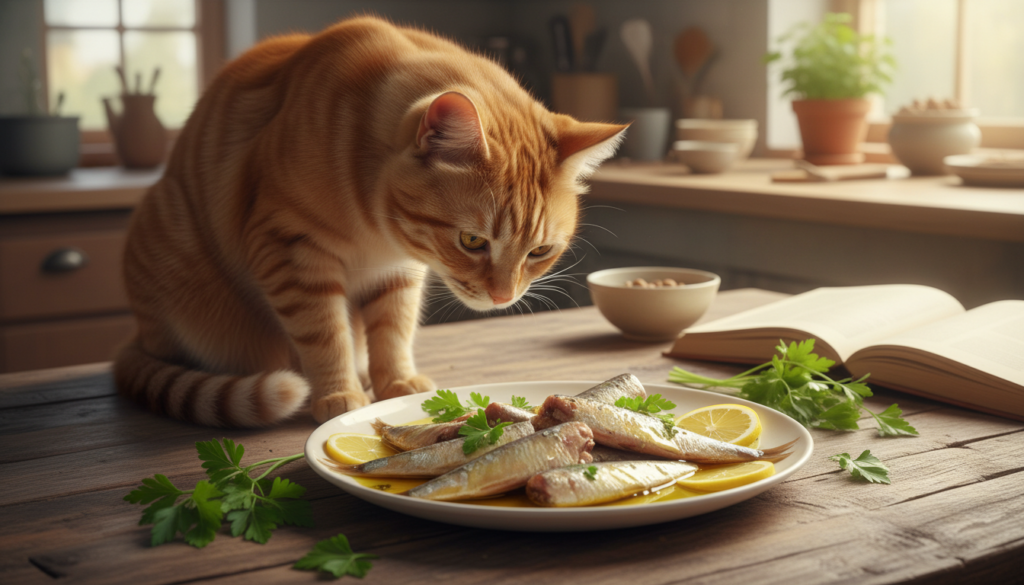
Sardines give your cat complete animal protein, which is crucial since cats need to eat meat. This protein has all the amino acids your cat can’t make on its own. It helps with muscle upkeep, energy, and overall health.
Here are some key health benefits sardines offer for cats:
- Omega-3 fatty acids reduce inflammation and support cardiovascular health
- Taurine supports eye health and heart function—nutrients cats cannot make themselves
- Vitamin D promotes calcium absorption and bone strength in growing kittens and aging cats
- Calcium from soft, edible bones supports skeletal development and maintenance
- Selenium strengthens immune function and protects cells
- Vitamin B12 supports neurological health and energy metabolism
Many cat owners see improvements after adding sardines to their cat’s diet. Their cat’s coat may look shinier and feel softer. Skin health also improves, and older cats move better with regular sardine doses.
It’s important to remember that sardines should be given in small amounts and not as a full meal. They are best as occasional treats to enhance your cat’s diet.
Potential Risks and Side Effects of Sardines in Olive Oil
Sardines can be good for cats, but sardines in olive oil are not safe. The fat in olive oil and sardines is bad for cats. Knowing these risks helps you keep your cat safe.
Canned sardines have preservatives, too much salt, and oils. These can make cats sick. Cats can’t handle a lot of fat well.
Digestive Upset and Pancreatitis Concerns
Olive oil fat can cause vomiting, diarrhea, and stomach problems in cats. Cats might have loose stools after eating sardines in olive oil. Pancreatitis, an inflammation of the pancreas, is also a risk.
Look out for these signs in your cat:
- Lethargy and decreased activity
- Loss of appetite
- Abdominal pain or sensitivity
- Vomiting or retching
- Hunched posture
Pancreatitis is serious and can be deadly. It happens when cats eat fatty foods like sardines in olive oil too often.
Sodium Content and Kidney Health
Canned sardines have a lot of sodium. This is bad for your cat’s kidneys. Cats can’t handle too much salt well.
| Cat Health Status | Sodium Risk Level | Recommendation |
|---|---|---|
| Healthy Adult Cats | Moderate | Occasional treats only |
| Senior Cats (7+ years) | High | Avoid sardines in olive oil |
| Kidney Disease Diagnosis | Very High | Strictly prohibited |
| Heart Condition Cats | Very High | Consult veterinarian first |
| Urinary Tract Issues | High | Avoid completely |
Not all cats can safely eat sardines. Cats with kidney disease, heart problems, or urinary issues are at high risk. They need special care because their bodies can’t handle the extra strain.
If your cat gets sick after eating sardines, call your vet right away. Sardines in olive oil are not good for most cats, no matter their age or health.
How Often Can You Safely Feed Sardines to Cats
Feeding cats sardines should be rare, not a regular thing. Think of sardines as a special treat, not a daily snack. Their main nutrition should come from complete cat food.
When feeding cats sardines, follow strict guidelines. The safest approach is giving your cat one small sardine once a week. This keeps sardines as treats, not part of their regular diet. Sardines should never be more than 10 percent of their daily calories.
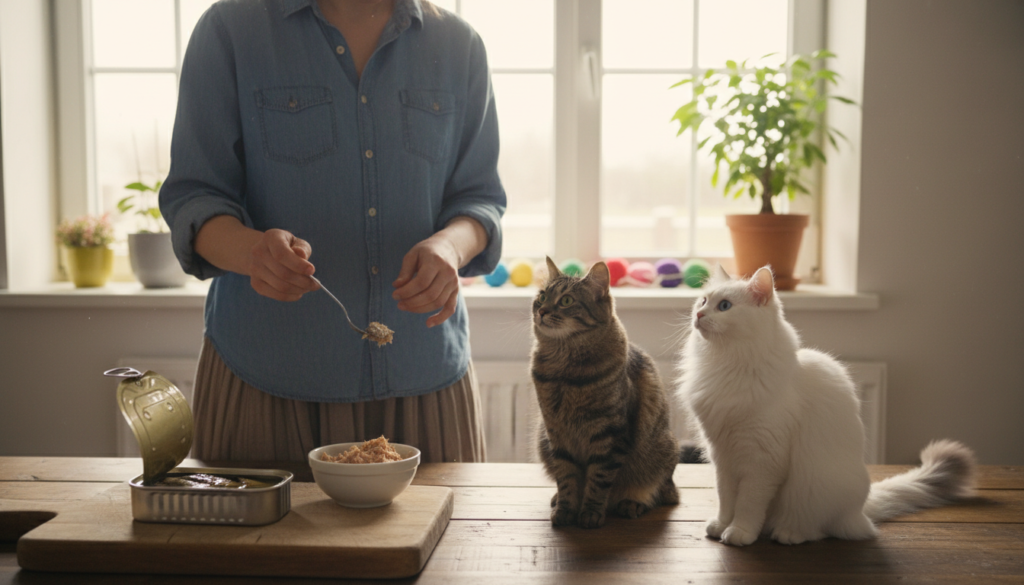
Portion Size Based on Your Cat’s Weight
Your cat’s size is key when deciding how much to give. Here’s a guide for proper portions:
- Cats weighing 10 pounds: one tablespoon maximum per serving
- Cats weighing 5-8 pounds: one teaspoon per serving
- Kittens and cats under 5 pounds: half a teaspoon only
Safe Feeding Schedule
Feeding cats sardines works best when servings are far apart. Experts recommend the following:
| Cat’s Health Status | Recommended Frequency | Maximum Per Week |
|---|---|---|
| Healthy adult cats | Once weekly or every two weeks | One small sardine |
| Overweight cats | Every two weeks only | Half a sardine |
| Senior cats (over 10 years) | Every two to three weeks | One small sardine |
| Cats with kidney disease | Consult your veterinarian first | Not recommended |
Start slowly when introducing sardines. Give just a small taste and watch for 24 hours. Look for any signs of vomiting or digestive upset. If your cat tolerates them well, you can add sardines to your treat rotation.
Feeding cats sardines too often can cause problems. It adds extra fat and sodium. It can also make them less likely to get nutrients from their main food. Daily sardines would unbalance their health.
Remember, cats and sardines diet planning means occasional treats only. Talk to your veterinarian before adding sardines to their meals if your cat has health issues.
Choosing the Right Type of Canned Sardines for Cats
Shopping for sardines for cats requires careful attention. Look closely at the labels in the canned fish aisle. Choose sardines with few ingredients and in water, not oil. Your cat’s health depends on your choice.
The liquid in the can is crucial. Water-packed sardines are best for cats. Spring water is okay too. But brine solutions have too much salt, and oil adds extra fat and calories.
Reading Labels for Salt and Additives
Check the sodium content on every can. Opt for “no salt added” or less than 100mg per serving. Many human sardines have too much salt for cats.
The ingredient list should be simple. Look for sardines and water only. Avoid products with:
- Preservatives or additives
- Oils other than natural fish oils
- Vegetables or herbs
- Citric acid or flavor enhancers
- Sugar or sweeteners
Avoiding Toxic Ingredients Like Garlic and Onions
Some sardine brands include harmful seasonings. Garlic and onion powder can harm your cat’s blood cells. These cause hemolytic anemia in cats.
Sardines in tomato sauce are also risky. Tomato sauces often have onions, garlic, sugar, and herbs. Sardines in brine have too much salt.
Be cautious of labels with “natural flavoring” or “spices.” These might hide toxic ingredients. The safest sardines have only fish and water. Choose plain options from trusted brands and always check the label before opening.
Proper Preparation Methods for Serving Sardines
It’s important to know how to prepare sardines for cats to keep them safe and healthy. When you feed cats sardines, you must follow certain steps. This ensures they get this treat safely and easily.
First, pick the right sardine type. Go for plain, water-packed sardines without salt or seasoning. Rinse the sardines under cool water to remove sodium and liquid. This is key, even for water-packed sardines.
- Drain sardines completely and blot each piece with paper towels
- Remove visible bones manually to prevent choking hazards
- Flake the sardine into small, bite-sized pieces suitable for your cat’s size
- Measure portions carefully to avoid overfeeding
- Start with just half a teaspoon during the first serving
When introducing sardines for the first time, watch your cat closely for 24 hours. Look out for vomiting, diarrhea, or lethargy. Don’t replace their regular meals with sardines. Treats should only be 10% of their daily calories.
Keep leftover sardines in an airtight container in the fridge for two days. Never leave them out for more than two hours. Check for signs of spoilage like a sour smell, discoloration, or sliminess. Always wash your hands and clean surfaces after handling raw fish.
Alternative Fish Options for Your Cat’s Diet
Thinking about cats eating sardines makes you wonder about other fish options. Sardines are great, but trying different fish can keep your cat’s diet interesting. Each fish has its own safety level, so it’s good to know which ones are best.
Choosing the right fish is important because some have more mercury than others. Big fish eat smaller fish and build up mercury over time. Small fish like sardines are safer because they don’t eat other fish.
Comparing Sardines, Tuna, and Salmon Safety
Sardines are safer for cats than tuna. Many cats love tuna, but it’s not good for them. Eating too much tuna can make cats picky and unhealthy.
Salmon is great for cats because it has omega-3 fatty acids. But, it must be cooked and plain. Raw salmon can be dangerous for cats.
Anchovies and mackerel are good choices sometimes. They should be plain and unseasoned, just like sardines.
Mercury Levels in Different Fish Types
Mercury levels vary in fish. Here’s what you need to know:
| Fish Type | Mercury Level | Feeding Frequency | Safety Notes |
|---|---|---|---|
| Sardines | Very Low | 2-3 times weekly | Best choice for regular treats |
| Anchovies | Very Low | 2-3 times weekly | Similar to sardines |
| Mackerel | Low to Moderate | Once weekly | Limit more than sardines |
| Salmon | Low | Occasional treat | Must be fully cooked |
| Tuna | Moderate to High | Once monthly or less | Highest risk among common options |
Commercial fish-flavored wet foods are safe and balanced. They have the right mix of nutrients without mercury. Your cat gets the taste they love with safe ingredients.
Unsalted sardines in water are a great choice. They’re nutritious, low in mercury, and affordable. Always choose water-packed sardines for your cat.
- Sardines in water remain your safest regular choice
- Tuna should stay limited to occasional treats only
- Salmon requires complete cooking before serving
- Commercial fish foods provide balanced nutrition
- Small fish species contain less mercury than large ones
“The safest fish for your cat is the one that’s unsalted, plain, and appropriate for their regular diet rotation.”
Special Considerations for Kittens and Senior Cats
Your cat’s age is key when deciding if sardines are safe for them. Kittens and senior cats have different needs and sensitivities. Knowing these differences helps you choose the right treats for your cat.
Kittens and Developing Digestive Systems
Kittens have stomachs that are still growing and learning. Their digestive systems are much more sensitive to fatty foods than adult cats. Foods like sardines in olive oil can upset their stomachs, causing diarrhea or vomiting.
Kittens need balanced nutrition to grow right. Treats like sardines can take away important nutrients from their special kitten food. If you want to give sardines to older kittens, follow these tips:
- Wait until kittens are at least six months old
- Offer only tiny amounts, like a few small flakes
- Choose boneless, skinless varieties to prevent choking hazards
- Never serve sardines in olive oil to young kittens
Senior Cats and Age-Related Health Concerns
Senior cats over ten years old have health issues that affect sardine safety. Chronic kidney disease is common, and sardines’ sodium can harm kidneys. If your senior cat has kidney disease, it’s best to avoid sardines.
Watch for kidney problems in older cats by looking for these signs:
- Increased thirst and urination
- Weight loss
- Poor appetite or pickiness
- Bad breath or mouth odor
Senior cats might also have dental disease, arthritis, or heart conditions. While sardines’ omega-3s can help with joint pain, their sodium is risky for cats with heart or kidney issues. Always talk to your vet before adding sardines to your senior cat’s diet.
Cats with Existing Health Conditions
Before giving sardines to cats with health issues, check with your vet. Cats with diabetes, hyperthyroidism, heart disease, or inflammatory bowel disease need special diets. Their health conditions affect how they process food and treats.
| Health Condition | Sardine Safety Concern | Recommended Action |
|---|---|---|
| Chronic Kidney Disease | High sodium damages kidneys | Avoid sardines entirely |
| Heart Disease | Sodium strains cardiovascular system | Consult veterinarian first |
| Diabetes | Fat and sodium affect blood sugar | Get veterinary approval |
| Urinary Problems | High mineral content may trigger issues | Seek veterinary guidance |
Medically compromised cats need individualized assessment before diet changes. Your vet knows your cat’s health history and can advise on sardines. Healthy adult cats usually do fine with occasional sardines, but young, old, and sick cats need extra care and vet supervision.
Conclusion
Your cat can enjoy sardines as an occasional treat. The main thing is how you prepare and choose them. Water-packed sardines without salt are better than those in olive oil. They have less fat and calories.
Drain and rinse the sardines well, remove bones, and give only a small amount. This way, your cat gets a tasty treat without harm.
Can cats have sardines in olive oil? Yes, but it’s not the best choice. Oil-packed sardines have more fat and calories, which can upset your cat’s stomach. Stick to water-packed sardines instead.
When giving sardines, limit them to once or twice a week. They should be a treat, not a main part of their diet. Your cat’s main food should be complete cat food made for their age and health.
Watch your cat closely when introducing sardines. Stop if they show signs of vomiting, diarrhea, or distress. Some cats love sardines, while others might not do well.
Always read can labels carefully. Choose plain products without added seasonings, garlic, or onions. If you’re unsure about your cat’s diet, talk to your vet. Now you know how to safely give your cat sardines as a treat.
FAQ
Can cats have sardines in olive oil safely?
Sardines in olive oil aren’t toxic to cats, but they’re not the best choice. The olive oil adds extra fat and calories. Cats can’t digest these well.
If you only have sardines in olive oil, drain them well. Remove excess oil with paper towels. Offer a tiny portion as a rare treat. Water-packed sardines are safer and healthier, say vets and pet nutritionists.
Why are cats naturally drawn to sardines?
Cats are drawn to sardines because of their biology. The smell of sardines mimics prey, making them irresistible. Sardines are a good treat when prepared right.
What nutritional benefits do sardines provide for cats?
Sardines are good for cats. They have omega-3 fatty acids for skin and coat health. They also have high-quality protein and taurine.
Sardines have vitamin D for bones and B vitamins for energy. But, they should not be a main part of a cat’s diet. Balanced cat food is essential.
What’s the main difference between water-packed and olive oil-packed sardines for cats?
Water-packed sardines are better for cats. They keep the natural nutrients without extra fats or calories. Olive oil adds too much fat and calories.
Water-packed sardines are also cheaper and healthier for cats. They are a better choice for your cat’s well-being.
How does olive oil affect cats’ digestion?
Cats can’t digest fats well, and olive oil adds extra calories. This can lead to obesity and digestive problems. It can even cause pancreatitis, a serious condition.
What are the signs of pancreatitis in cats fed sardines in olive oil?
Signs of pancreatitis include lethargy, loss of appetite, and vomiting. If your cat shows these symptoms, see a vet right away. Pancreatitis can be life-threatening.
How does sodium in sardines affect your cat’s kidney health?
Sodium is bad for cats’ kidneys. It makes them work harder, which can damage kidneys over time. Cats with kidney disease should avoid sardines.
How often can you safely feed sardines to your healthy adult cat?
Healthy adult cats can have sardines once a week. They should make up no more than 10% of their daily calories. Treats like sardines should be rare.
What’s the appropriate portion size for sardines based on your cat’s weight?
A 10-pound cat should get no more than one tablespoon of sardine. Smaller cats need even less. Always start with a small amount and watch for reactions.
What should you look for when reading sardine labels for your cat?
Look for water-packed sardines with low sodium. Avoid garlic powder and onion powder, as they are toxic to cats. Read every label carefully.
Why are garlic and onion powder dangerous for cats eating sardines?
Garlic and onion powder can cause hemolytic anemia in cats. These ingredients may be hidden under different names. Always check the ingredients list.
Which brands offer cat-safe sardine options?
Brands like Wild Planet, King Oscar, and Seasons offer safe sardine options. Look for plain sardines in water with no added salt. Always read the label.
How should you prepare sardines before serving them to your cat?
Use plain, water-packed sardines with no added salt. Drain and rinse them well. Remove bones to prevent choking. Flake them into small pieces for your cat.
How should you store leftover sardines for your cat?
Store leftover sardines in an airtight container in the fridge for two days. Keep it clean to prevent bacterial contamination. Check for signs of spoilage before serving.
How do sardines compare to tuna in terms of safety for cats?
Sardines are safer than tuna because they have lower mercury levels. Tuna can cause “tuna addiction” in cats. Sardines are a better choice for occasional treats.
Is salmon a better alternative to sardines for cats?
Salmon is good for cats because of its omega-3s. But, it needs to be cooked and served plain. Sardines in water are still a safer option for occasional treats.
What are the mercury concerns with feeding fish to your cat?
Mercury can build up in cats over time. Feeding sardines only occasionally helps keep mercury levels safe. Always feed fish in moderation.
Are commercial fish-flavored cat foods safer than whole sardines?
Yes, commercial fish-flavored cat foods are safer. They provide balanced nutrition without mercury concerns. These foods are made specifically for cats.
Why should kittens avoid sardines in olive oil?
Kittens can’t handle fatty foods like sardines in olive oil. It can cause digestive problems. Kittens need balanced nutrition from kitten food, not treats.
Can older kittens have sardines safely?
Older kittens can have small amounts of sardines. Choose boneless varieties to prevent choking. Sardines should be rare treats, not regular food.
Why should senior cats with kidney disease avoid sardines?
Sardines can harm cats with kidney disease. The sodium can damage kidneys further. Cats with kidney disease should avoid sardines or eat them under vet supervision.
Are sardines beneficial for senior cats with arthritis?
Yes, sardines may help with arthritis symptoms. They have omega-3s that can reduce inflammation. But, first, check your cat’s overall health, especially kidney function.
What health conditions require veterinary consultation before feeding sardines?
Cats with diabetes, hyperthyroidism, heart disease, and kidney disease should see a vet before eating sardines. The very young, very old, and sick cats need special care.
How should you start introducing sardines to your cat for the first time?
Start with a tiny taste and watch for reactions over 24 hours. If your cat shows signs of upset, stop feeding sardines. Start with small amounts to ensure safety.
What should you do if your cat experiences adverse reactions to sardines?
If your cat has vomiting, diarrhea, or other signs of distress, stop feeding sardines. Consult your vet. Even small amounts can cause problems in some cats.
Can cats have sardines every day?
No, cats should not have sardines every day. Daily feeding can harm them. Sardines should be occasional treats, not a regular meal.
What’s the maximum percentage of your cat’s diet that sardines should represent?
Sardines should make up no more than 10% of your cat’s daily calories. They should only be given once or twice a week. The rest of the diet should come from balanced cat food.
Should you remove bones from canned sardines before serving to your cat?
Yes, remove visible bones to prevent choking. This is especially important for young, old, or small cats. It ensures safer feeding.
Why is it important to rinse water-packed sardines before serving?
Rinsing sardines removes excess sodium and packing liquid. This makes them a healthier treat for your cat. It’s an important step for their well-being.
Can you use sardine water as a broth for your cat’s food?
No, don’t use sardine water as broth. Even water-packed sardines have sodium levels that can be too high for cats. It’s not worth the risk.
What makes sardines safer than larger fish like tuna or mackerel?
Sardines are safer because they have lower mercury levels. They are small fish that don’t accumulate as much mercury as larger fish. They are a safer choice for occasional treats.
Are there any cats that should never eat sardines?
Yes, kittens under six months, cats with kidney disease, heart disease, diabetes, or other serious health conditions should avoid sardines. Cats with known fish allergies should also stay away. Always check with your vet.
How can you tell if your cat is tolerating sardines well?
A cat tolerating sardines well will have no digestive problems and a healthy coat. They will also have normal energy and appetite. If your cat shows negative changes, stop sardine treats and see a vet.
Can sardines help with your cat’s skin and coat health?
Yes, sardines can help with skin and coat health. They have omega-3s that can improve coat shine and texture. Many cat owners see improvements in their cat’s coat after introducing sardines.
Why shouldn’t you offer sardines as a meal replacement?
Sardines lack the complete nutritional profile cats need. They should not replace regular meals. Balanced cat food is essential for your cat’s health.
What’s the best way to rotate sardines with other cat treats?
Rotate sardines with other treats throughout the month. This variety prevents boredom and reduces mercury accumulation. It also ensures your cat doesn’t become dependent on one treat.
Are there any additives in canned sardines that seem safe but are actually harmful to cats?
Yes, many additives are harmful to cats. These include garlic powder, onion powder, and certain preservatives. Always read the ingredients list carefully.
What percentage of cats experience digestive upset from sardines in olive oil?
Cats with sensitive digestive systems, older cats, and those not used to fatty foods are most likely to experience upset from sardines in olive oil. Start with small amounts and watch for reactions.
For more on feeding cats, check out the full guide
What Can Cats Eat? 15 Safe Foods Vets Approve
Was this information helpful?
goood information in this article
yes these information show me how i will made sardine for my cat

Response from Petnurtury
thank you for your honest