Sardines for Cats: Benefits and Feeding Tips
Your cat sits by the kitchen counter, drawn by a smell that makes her whiskers twitch with excitement. That aroma is sardines. You wonder if this small fish could be a healthy addition to her diet. The truth is, sardines for cats can be wonderful treats packed with nutrients your feline friend needs. At the same time, feeding sardines to cats requires care and knowledge to keep your pet safe and healthy.
Many cat owners ask the same question: can my cat eat sardines? The answer is yes, but with important guidelines to follow. Sardines offer real benefits for your cat’s health when prepared and served the right way. They contain protein, omega-3 fatty acids, and essential minerals that support strong bones and a shiny coat. These small fish are naturally appealing to cats because of their strong smell and rich taste.
Not all sardines are created equal, though. The type you choose matters. The amount you feed matters. How often you give them to your cat matters. Sardines should be an occasional treat, not a dietary staple. Some preparation methods are safe, while others can harm your pet. Understanding these differences is the key to making sardines a positive part of your cat’s nutrition.
This guide walks you through everything about feeding sardines to cats. You will learn which sardines are safe and which ones to avoid. You will discover the right portion sizes and feeding frequency for your cat’s age and health. You will find out how to prepare sardines so they bring maximum nutrition with zero risk. By the end, you will have all the tools needed to safely add sardines to your cat’s meal plan.
Table of Contents
Can Cats Have Sardines?
Many cat owners wonder if sardines are good or bad for their pets. The answer is yes—cats can safely eat sardines if prepared and served correctly. This protein-rich fish is great for your cat, but you must know how to offer it right. Sardines are full of nutrients that cats love as meat-eaters. They give your cat what it needs, in the right amounts.
Understanding Feline Dietary Needs
Your cat is an obligate carnivore. This means your pet needs animal-based protein to stay healthy and strong. Unlike humans or dogs, cats can’t live on plant-based diets alone. Sardines are perfect for your cat’s diet because they offer high-quality animal protein.
These small fish also have taurine, an amino acid cats can’t make on their own. Your cat needs taurine for:
- Heart muscle function
- Vision and eye health
- Reproductive system support
- Immune system strength
While sardines are nutritious, they should not replace your cat’s regular cat food. This food is made by vet nutritionists to keep your cat balanced.
Safety Considerations for Feeding Sardines
Preparation is key when deciding if sardines are good for cats. Fresh or minimally processed sardines are the safest choice. Canned sardines in water are better than those in oil or brine, as they have less sodium and fat.
Be careful of these risks:
- High sodium content in canned products
- Added oils and preservatives
- Bones that could cause choking
- Potential mercury accumulation from frequent feeding
Cats with kidney disease, heart conditions, or urinary issues need extra care. Too much sodium can make these problems worse. Always talk to your vet before adding sardines to your cat’s diet, especially if your pet has health issues.
Nutritional Benefits of Sardines for Cats
Sardines are a superfood for cats. They offer a mix of nutrients that boost your cat’s health. This makes them a great addition to your cat’s meals.
One key benefit is their omega-3 fatty acids. These fats are good for your cat’s heart and reduce inflammation. They also make your cat’s coat shiny and skin healthy.
Sardines also provide nutrients cats can’t make on their own:
- Taurine – keeps your cat’s heart and eyes healthy
- Vitamin D – helps with calcium absorption and strong bones
- High-quality protein – helps maintain muscles and gives energy
- Calcium and phosphorus – found in soft bones
- Selenium – boosts the immune system
Cats are meat lovers, and sardines give them what they need. They’re full of selenium for a strong immune system and B vitamins for energy. Served right, sardines are a great way to add nutrients to your cat’s diet.
What Types of Sardines Are Safe for Your Cat?
Choosing the right sardines for your cat is crucial. Your cat’s health depends on your choice. Different sardines offer various benefits and risks.
There are many sardine products out there. Some are great for cats, while others can be harmful. Knowing the differences helps you make better choices.
Fresh vs. Canned Sardines
Fresh sardines are natural and nutritious. They don’t have added salt or oils that can harm your cat. However, they need cooking first to avoid parasites and bacteria.
Before serving, remove all bones from fresh sardines. They are more expensive and harder to find than canned sardines.
Canned sardines are convenient for busy pet owners. They last longer and are cheaper than fresh sardines. Look for plain varieties with no added ingredients.
Frozen sardines are a middle ground. They keep the freshness of fresh fish without spoiling quickly. You can thaw and cook them safely for your cat.
Sardines in Water vs. Oil vs. Brine
When buying canned sardines, the liquid is important. Here’s what you need to know:
| Type | Best For Cats? | Key Benefits | Main Concerns |
|---|---|---|---|
| Water-Packed (No Added Salt) | Yes – Best Choice | Low fat, low sodium, easy digestion | None when plain |
| Oil-Packed | Not Ideal | Flavorful, naturally preserved | High in fat and calories, can cause weight gain |
| Brine (Saltwater) | No – Avoid | Long shelf life | Dangerously high sodium levels |
| Tomato Sauce | No – Never | Adds flavor appeal to humans | Contains onions, garlic, and spices toxic to cats |
Sardines in water with no added salt are the best choice for your cat. They are low in fat and sodium. Always check labels for “no added salt” or “low sodium.”
Oil-packed sardines are not toxic but not ideal. They add extra calories that can cause weight gain. Drain and blot them before serving to reduce oil.
Sardines in brine are dangerous. They have too much sodium. This can harm your cat’s kidneys and heart.
Tomato sauce packed sardines are very dangerous. They contain onions and garlic, which are toxic to cats. The added sugar and seasonings are also harmful.
- Choose water-packed sardines with no added salt
- Rinse sardines before serving to reduce sodium
- Avoid oil-packed varieties when possible
- Never select brine or sauce-packed options
- Read every label carefully before buying
Finding the best sardines for cats requires some label reading. But it’s worth it for your pet’s health. Quality is key in what your cat eats every day.
Potential Risks and Limitations of Feeding Sardines
Sardines are great for cats, but you must be careful. Knowing the risks helps keep your cat safe. There are downsides to sardines that you should understand.
Mercury is a big worry with sardines. Even though they have low mercury, eating them too often can be harmful. Mercury can hurt your cat’s nervous system over time. So, it’s important to only give them in small amounts.
Another issue is the high sodium in canned sardines. Cats can’t handle a lot of salt well. Too much can cause dehydration and high blood pressure. Cats with kidney disease should avoid high-sodium sardines.
Other things to watch out for include:
- Choking from small bones in some sardines
- Allergic reactions, though rare
- Too much fat from oil-packed sardines
- Nutritional imbalance if they replace cat food
Never let sardines for cats become your pet’s main meal. They don’t have all the nutrients your cat needs. Sardines are best as treats, not as a full meal. Keep an eye on your cat for any signs of allergies or stomach problems. Your vet can help figure out the right amount for your cat.
Sardines for Cats: How Much and How Often?
Feeding sardines to cats needs careful attention to portion size and frequency. Your cat’s safety depends on finding the right balance. This balance keeps your cat happy and healthy.
Recommended Portion Sizes
The right portion size varies based on your cat’s weight and age. For an average adult cat, one small sardine is best. This sardine should be about 3 to 4 inches long.
You can give roughly one tablespoon of flaked sardine meat instead of a whole fish. This serving should not be more than 10 percent of your cat’s daily calories. Think of sardines as a special treat, not a meal replacement.
Smaller cats need less—about half a sardine or even smaller amounts. Larger cats can handle a bit more, but stay within safe limits.
Tracking calories matters, especially for indoor cats with lower activity levels. Extra calories from treats can lead to weight gain over time.
Frequency Guidelines for Healthy Cats
The safest approach is feeding sardines to cats just once weekly. Some sources suggest twice per week as the maximum, yet once weekly is more conservative and recommended. Never feed sardines every day.
Daily feeding creates several problems:
- Increases mercury exposure risk over time
- Displaces complete cat food nutrition
- Causes digestive upset from too much fat
- Adds excessive sodium to their diet
Think of sardines as an occasional special treat that adds variety. Your cat’s individual health matters too. Cats with kidney disease, heart conditions, or obesity may need even less frequent servings. Always talk to your veterinarian before feeding sardines to cats with existing health issues.
Best Sardines for Cats and What to Avoid
Choosing the right sardines for your cat is important. You need to look at labels and ingredients carefully. Your cat’s health depends on picking sardines that are pure and free from harmful additives.
The best sardines for cats are those packed in water only, with no added salt. Look for “no salt added” or “packed in spring water” labels. These sardines are safe for your pet because they contain only fish.
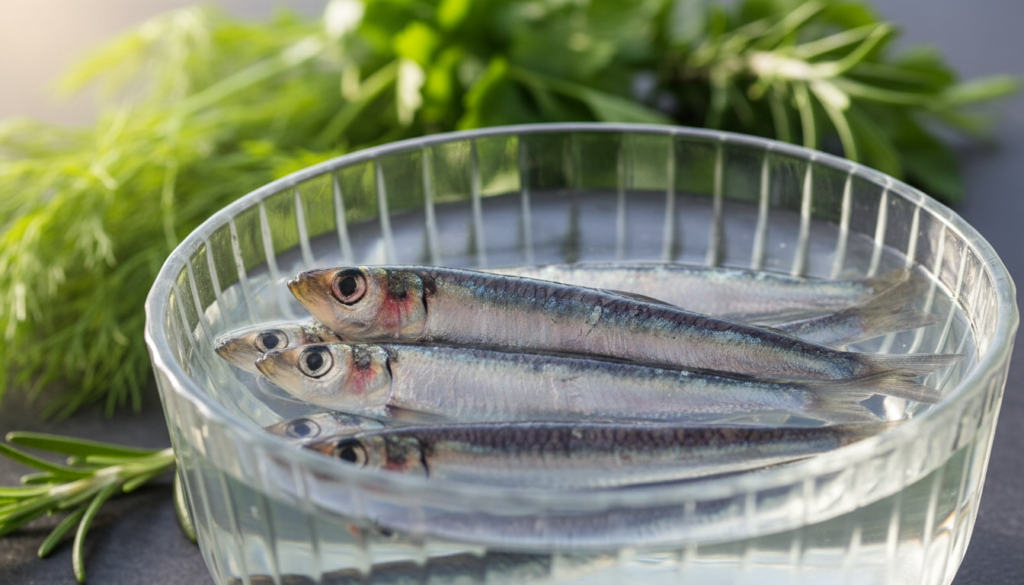
When you read labels, watch out for red flags. These signs show a product is not good for your cat:
- Added sodium or salt of any kind
- Oils such as soybean, olive, or sunflower oil
- Preservatives like BHA or BHT
- Garlic powder or onion powder
- Spices, herbs, or seasonings
- Flavorings or colorings
Choose wild-caught sardines for your cat. Wild-caught sardines have better omega-3s and fewer contaminants than farmed ones.
Stay away from sardines in brine, tomato sauce, and gourmet varieties. Sardines in brine have too much sodium, which is bad for your cat’s kidneys. Tomato sauces often have onions and garlic, which are toxic to cats.
Always read labels before buying. Knowing what to look for helps you find the best sardines for cats. This keeps your pet safe and healthy.
How to Prepare and Serve Sardines to Your Cat
To get your cat to like sardines, you need to prepare and serve them right. The way you do this can make a big difference. It keeps your cat safe and happy. Always follow the right steps before giving your cat sardines.
Preparation Tips for Maximum Safety
Before you serve sardines to your cat, there are a few important steps. If you use canned sardines, rinse them well under cool water. This removes extra sodium, oils, and packing liquids that can upset your cat’s stomach.
Drain the sardines completely and pat them dry with a paper towel if they were in oil. This makes them less fatty and easier for your cat to digest.
Fresh sardines need to be cooked to kill harmful bacteria and parasites. Bake, steam, or poach them without oil, salt, or seasonings. Cook them until they are opaque and flake easily. Cooking also stops thiaminase, an enzyme in raw fish that can block vitamin B1.
Soft sardine bones are usually safe for cats. You can leave them in, as they are good for calcium. Remove bones only if your cat has dental issues or swallows food too fast.
Serving Suggestions Your Cat Will Love
Break sardines into small pieces to avoid choking and control portions. Flaking the meat into tiny pieces is best for most cats, especially kittens and older cats with weak teeth.
You can serve sardines in several ways:
- Mix flaked sardine into your cat’s regular wet or dry food
- Serve sardines as a standalone treat in a separate dish
- Mash sardines into a paste for cats who prefer that texture
- Offer small chunks for cats who enjoy distinct pieces
Serve sardines at room temperature for better aroma and appeal. For picky eaters, start with a small amount mixed into familiar food. Gradually increase the amount while watching for any digestive issues.
“Start small and observe your cat’s reaction to any new food introduction.”
Watching how your cat reacts to sardines is important. This careful approach ensures your cat stays safe and enjoys the treat.
Comparing Sardines to Other Fish Options
When thinking about fish for your cat, it’s key to know the differences. Sardines are a top choice compared to many fish. They offer safety and nutrition for your cat.
Sardines are small and have low mercury levels. Larger fish have more mercury. So, sardines are better than big fish for treats.
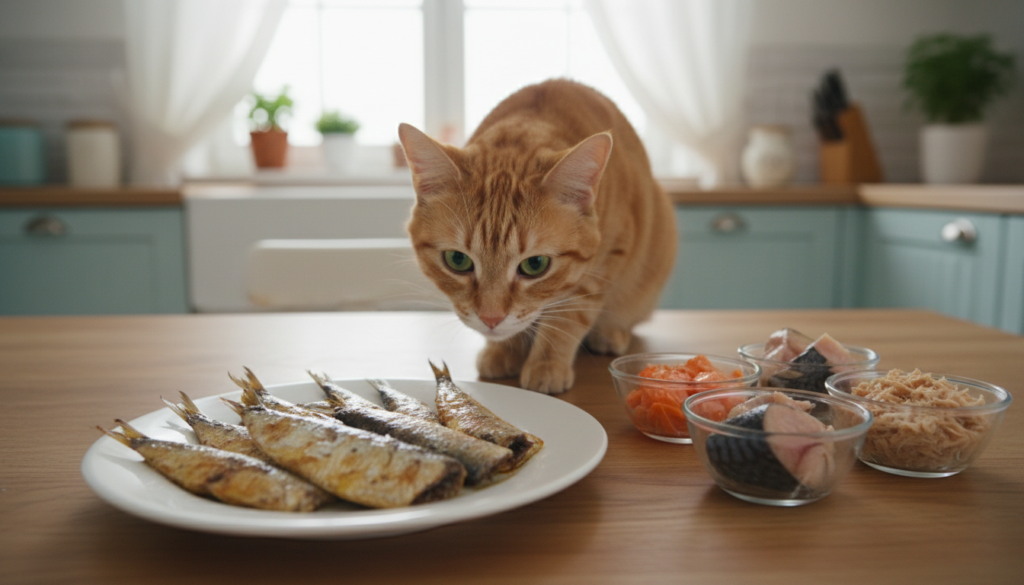
Fish Comparison Overview
It’s important to see how sardines compare to other fish. Here’s a table showing key differences:
| Fish Type | Mercury Level | Omega-3 Content | Best Preparation | Safe Frequency |
|---|---|---|---|---|
| Sardines | Very Low | High | Plain, canned in water | 1-2 times weekly |
| Tuna | High | Moderate | Plain, limited portions | Occasional only |
| Salmon | Low | Very High | Fully cooked, plain | 1-2 times monthly |
| Anchovies | Very Low | High | Unsalted, plain | 1-2 times weekly |
| Mackerel | Moderate | Very High | Plain, cooked | Occasional only |
Sardines vs. Tuna: Why Sardines Win
Tuna and sardines seem similar, but they’re not for your cat’s health. Tuna has more mercury because it’s big and lives longer. Eating tuna regularly can harm your cat.
Sardines are safer and more nutritious. They won’t make your cat prefer them over regular cat food. Tuna can make cats addicted, leading them to reject balanced meals.
Sardines vs. Salmon: Nutrition and Preparation
Salmon is great for your cat’s coat and heart. But, it must be cooked well to remove harmful bacteria. Never give smoked or seasoned salmon to your cat.
Sardines offer similar benefits at a lower cost and less effort. Wild-caught salmon is better, but it’s pricier. Sardines give your cat great nutrition without the hassle.
Other Fish Options to Consider
There are other fish besides sardines and tuna. Here’s what you need to know:
- Anchovies – Similar to sardines in safety and nutrition, but often saltier. Choose unsalted varieties when possible.
- Mackerel – Has more fat and possibly more mercury. Feed it less often than sardines.
- Fish in tomato sauce – Never give this to your cat. Tomato sauce can upset their stomachs.
- Raw fish – Can be risky due to bacteria, parasites, and thiaminase enzyme.
- Processed fish products – Fish sticks and breaded fish have bad ingredients and preservatives.
Sardines are among the best fish options for cats. They offer great nutrition, low mercury, affordability, and convenience. Your cat’s health is your main concern, and sardines are a top choice for treats.
Special Considerations for Kittens and Senior Cats
Your cat’s age is key when deciding if sardines are good for them. Kittens and older cats have different needs than adult cats. Knowing these differences helps you feed your pet right at every stage.
Kittens grow fast and need all the nutrients they can get. Senior cats have health issues that affect how they digest food. Sardines can be risky for both if not given carefully.
Age-Specific Feeding Guidelines
Kittens need balanced food to grow right. Their stomachs are still getting used to solid food. Sardines can upset their stomachs. Wait until your kitten is 8-10 weeks old before giving them sardines.
When you do give sardines to a kitten, use just a tiny bit. No more than a quarter teaspoon every two weeks. Treats should only be 5% of their daily calories. Their main food should be high-quality kitten food.
Senior cats face different challenges. They often get chronic kidney disease, which makes sodium a big concern. Even low-salt sardines can harm their kidneys and speed up disease.
| Life Stage | Age Range | Sardine Frequency | Portion Size | Key Concerns |
|---|---|---|---|---|
| Kittens | 8 weeks to 1 year | Once every 2 weeks maximum | ¼ teaspoon or less | Digestive sensitivity, proper growth nutrition |
| Adult Cats | 1 to 10 years | Once per week | ½ to 1 teaspoon | Sodium and mercury content |
| Senior Cats (Healthy) | 11 years and older | Once every 10-14 days | ½ teaspoon | Kidney function, sodium sensitivity |
| Senior Cats (With CKD) | 11 years and older | Only with vet approval | Minimal or avoid | Kidney disease progression, strict sodium limits |
If your senior cat has kidney disease or heart problems, talk to your vet first. They might say no to sardines to keep your pet safe.
Healthy senior cats can have sardines sometimes. But watch for signs like more thirst, vomiting, or changes in the litter box. Cats with dental issues might prefer mashed sardines.
- Watch for increased thirst in senior cats after eating sardines
- Monitor litter box habits and digestion
- Mash sardines for cats with missing or damaged teeth
- Always consult your vet before dietary changes
- Remember that sardines for cats should never replace balanced nutrition
Cats with health issues need extra care. Overweight cats should get sardines rarely because they’re high in calories. Cats with allergies or heart disease might need to avoid sardines. Your vet can tell you what’s best for your cat.
“Age-appropriate nutrition matters at every stage of your cat’s life. What’s safe for a young adult may harm a senior.”
Conclusion
Cats can eat sardines, but it needs careful thought. Sardines are packed with nutrients like protein and omega-3 fatty acids. These are good for your cat’s heart, eyes, and coat.
It’s best to give sardines as an occasional snack. This way, your cat gets to enjoy them without harming their health.
Choosing the right sardines is crucial for your cat’s health. Opt for sardines in water, not oil or brine. These have too much fat and salt. Always rinse canned sardines and cook fresh ones well.
Don’t give sardines with garlic or onions. These can harm your cat. Simple steps like these keep your cat safe.
Remember, moderation is key when feeding sardines. Healthy adult cats can have a small sardine once or twice a week. Sardines should not replace their regular cat food.
Watch for any signs of trouble when introducing sardines. If your cat seems sick or has skin issues, stop. Always check with your vet, especially for kittens, senior cats, or those with health problems.
You now know how to feed sardines to your cat wisely. Choosing quality and preparing safely shows you care. Sardines can be a special treat that adds variety and nutrition to your cat’s life.
FAQ
Can cats safely eat sardines?
Yes, cats can safely eat sardines if given correctly. Sardines are nutritious and cats love their smell and taste. But, it’s important to feed them responsibly to avoid health problems.
Sardines should be an occasional treat, not a main part of their diet. The type, how they’re prepared, and the amount are key to their safety.
Are sardines good for cats nutritionally?
Sardines are great for cats. They’re full of protein and amino acids like taurine, which is good for the heart and eyes. They also have omega-3 fatty acids for heart health and a shiny coat.
Sardines have vitamin D for bones, calcium and phosphorus, and vitamins like B12 and niacin. These help with energy and immune function.
What type of canned sardines should I choose for my cat?
Choose sardines packed in water, without salt or preservatives. Look for “no salt added” or “packed in water” labels. Avoid sardines in oil or brine because of too much sodium.
Never give sardines in tomato sauce because of toxic ingredients like onions and garlic.
How much sardine can I give my cat?
For an 8-10 pound cat, one small sardine or a tablespoon of flaked sardine is enough. This should be no more than 10% of their daily calories. Smaller cats or kittens need less, while bigger cats might have a bit more.
Remember to count these calories in your cat’s daily intake to prevent weight gain.
How often can I feed sardines to my cat?
Feed sardines once or twice a week to healthy adult cats. Once a week is safer. Don’t feed them daily because it’s too much mercury and can upset their stomach.
Sardines should be a special treat, not a regular food.
Are there any risks associated with feeding sardines to cats?
Yes, there are risks. Too much mercury can harm your cat’s brain over time. High sodium can hurt cats with kidney disease. Sardine bones can choke cats, and some cats might be allergic to fish.
Sardines lack some nutrients cats need. They should not replace their regular cat food. Limiting sardines prevents long-term harm from pollutants in fish.
Should I rinse canned sardines before feeding them to my cat?
Yes, rinse them well under cool water for 15-30 seconds. This reduces sodium and oils. Then, drain them completely and pat dry if needed.
Can I give my kitten sardines?
Sardines are not toxic to kittens, but give them very little. Kittens need special food for their growth. Only give a tiny taste once every two weeks, after they start eating solid food.
Kittens’ digestive systems are sensitive to fatty foods. Treats should be only 5% of their daily calories.
Are sardines appropriate for senior cats?
Healthy senior cats can have sardines, but less often and in smaller amounts. Senior cats with kidney disease should avoid sardines because of sodium. Always check with your vet before giving sardines to seniors.
What’s better for cats—sardines in water or sardines in oil?
Sardines in water are better for cats. They’re low in fat and easier to digest. Oil-packed sardines add extra calories and fat, which can be bad for indoor cats.
Water-packed sardines are safer and more nutritious.
Can I give my cat fresh sardines instead of canned ones?
Yes, fresh sardines are an option. But, they need to be cooked to kill parasites and bacteria. Cooking also removes harmful enzymes in raw fish.
Fresh sardines might be harder to find and more expensive than canned ones.
How do sardines compare to tuna for cats?
Sardines are better for cats than tuna. Tuna has more mercury, which is harmful. Cats can get addicted to tuna’s taste and refuse balanced food.
Sardines are safer for cats.
Can I serve sardines mixed with my cat’s regular food?
Yes, mixing sardine flakes into your cat’s food is a good idea. It adds flavor and can help picky eaters. You can also serve sardines alone to monitor intake.
Some cats like sardines mashed, while others prefer flakes.
What should I do if my cat shows an allergic reaction to sardines?
Fish allergies in cats are rare but can happen. Watch for signs like itching, skin irritation, vomiting, or diarrhea. If you see these symptoms, stop sardines and see your vet.
Start with a small amount when introducing sardines to watch for reactions.
Are there specific brands of sardines recommended for cats?
The best sardines are those packed in water, without salt or preservatives. Look for “no salt added” or “packed in water” labels. Avoid sardines in oil or with sauces.
Focus on what to look for on labels, not specific brands.
Can cats eat sardines with bones?
Small, soft sardine bones are safe for cats. They provide calcium and phosphorus for bones. But, cats with dental issues or who eat fast might need deboned sardines.
You can remove bones by gently opening the sardine.
Should I feed sardines to a cat with kidney disease?
Cats with kidney disease should avoid sardines or have them in very small amounts. Sardines can strain kidneys and worsen disease. Always check with your vet before giving sardines to cats with kidney disease.
What preparation methods are safest for sardines?
Rinse canned sardines well and drain them. For fresh sardines, cook them without oil or salt. Never give raw sardines to cats.
Flake sardines into small pieces to prevent choking.
Why shouldn’t I feed my cat sardines in tomato sauce?
Tomato sauce is toxic to cats because of onions and garlic. It also has too much sugar and seasonings. Always choose sardines without sauces or added ingredients.
How can I make sardines more appealing to my cat?
Flake sardines into small pieces for easier eating. Mix them into your cat’s food for flavor. Some cats like them mashed, while others prefer flakes.
Serving sardines at room temperature makes them more appealing.
What’s the difference between benefits of sardines for cats in water versus oil?
Sardines in water are better because they’re lower in fat and calories. They’re easier to digest and less likely to cause sodium overload. Oil-packed sardines add extra calories and fat.
Water-packed sardines are safer and more nutritious.
Can sardines help with my cat’s skin and coat health?
Yes, sardines can improve your cat’s skin and coat. They have omega-3 fatty acids for healthy skin and a shiny coat. They also reduce inflammation and support overall health.
Is mercury in sardines a concern for cats?
Mercury is a concern, but sardines have less of it. They’re safer than tuna. But, feeding sardines too often can still harm your cat’s brain and health.
Feeding them only once or twice a week is safe.
Should I consult my veterinarian before feeding sardines to my cat?
Yes, especially if your cat has health issues or is a kitten or senior. Your vet can advise on the right amount and if sardines are safe for your cat.
Always check with your vet if you’re unsure.
Can I use sardines to encourage a picky eater to eat?
Yes, sardines can help picky eaters. Their strong smell and taste make food more appealing. Start with a small amount to avoid overwhelming your cat.