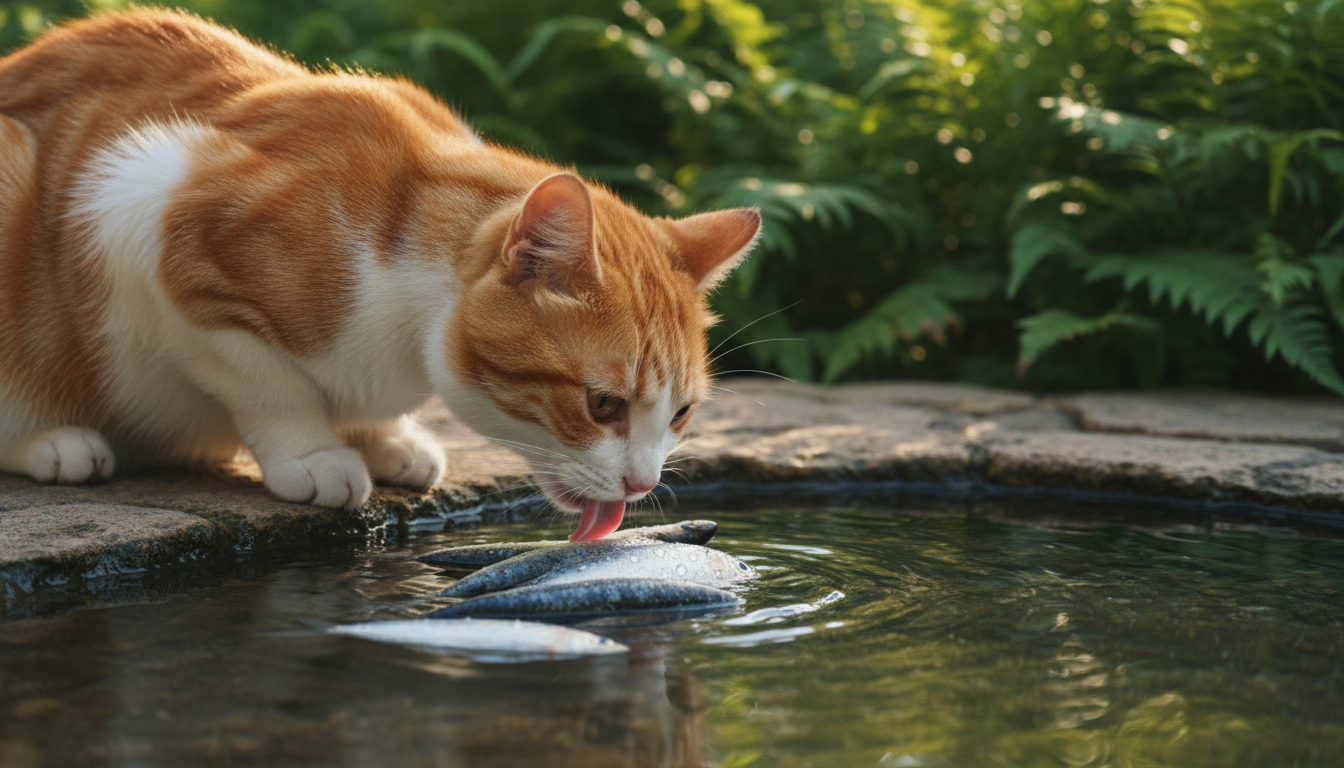
Can Cats Eat Sardines in Water? Vet Insights
You want the best for your cat. When your furry friend stares at you while you open a tin of sardines, you wonder if sharing this treat is safe. That moment of connection between you and your pet matters. You care about their health and happiness.
Many cat owners face this same question. You see sardines packed with nutrients and think about adding them to your cat’s diet. The decision feels important because you trust your instincts about what your cat needs.
The answer is yes, cats can eat sardines in water. Your cat can benefit from this protein-rich food when you feed it the right way. Understanding how to safely serve sardines keeps your cat healthy and happy.
This guide walks you through what veterinarians recommend. You’ll learn about the nutrition sardines provide. You’ll discover the right amounts to feed your cat. You’ll also learn about any risks you should watch for.
By the end, you’ll feel confident giving your cat sardines as an occasional treat. Your cat’s health and your peace of mind matter. Let’s explore what you need to know.
Table of Contents
Can Cats Eat Sardines in Water
Many cat owners wonder if sardines in water are safe and nutritious for their pets. The answer is yes, but there are important details to know. Sardines offer real nutritional benefits that appeal to pet owners looking to enhance their cat’s meals with whole foods.
Understanding Sardines as a Feline Food Option
Sardines are small fish that pack significant nutritional value into tiny servings. Your cat’s natural diet includes small prey like fish, making sardines a good fit. These fish contain complete proteins, omega-3 fatty acids, and essential vitamins that support your cat’s overall health.
Sardines in water are better than those packed in oil or salt-heavy brine. They provide nutritional benefits without excess sodium and fat. This makes them a better choice for your cat’s wellbeing.
Key reasons sardines appeal to feline nutrition include:
- High-quality protein that builds and maintains muscle mass
- Natural fish oils that support coat and skin health
- Essential minerals like calcium and iron
- Vitamin D for strong bone development
- Omega-3 fatty acids for heart and brain function
Why Pet Owners Consider Sardines for Their Cats
Cat owners choose sardines for several reasons. Cats love the taste and smell of fish, making sardines an excellent tool for picky eaters. The smell alone often gets your cat interested in meals.
Beyond taste appeal, sardines serve multiple purposes in cat care:
| Benefit | How It Helps Your Cat |
|---|---|
| Nutritional supplement | Adds vitamins and minerals to regular cat food |
| Appetite stimulant | Encourages eating for cats with low appetite |
| Training reward | Effective treat during training sessions |
| Feral cat care | Attracts and feeds outdoor cats safely |
| Hydration source | Water content helps increase fluid intake |
Pet owners appreciate that sardines in water are affordable, readily available, and require minimal preparation. Your cat’s enthusiasm for this fish makes introducing new foods simpler and more enjoyable.
The Nutritional Profile of Sardines for Cats
Sardines are a nutritional powerhouse for cats. They are packed with essential nutrients that boost your cat’s health. Feeding your cat sardines in water gives them quality proteins, healthy fats, and important vitamins.
Cats need specific nutrients to stay healthy. Sardines provide these nutrients in a form cats can easily digest. This makes sardines a great natural supplement for your cat’s diet.
Knowing what sardines offer your cat helps you make better food choices. Even small amounts of sardines can provide big health benefits. Your cat doesn’t need a lot to get the nutritional advantages.
Sardines have several key nutrients that are good for cats:
- High-quality animal protein for muscle maintenance and growth
- Omega-3 fatty acids for heart and brain function
- Essential amino acids that cats cannot produce independently
- Vitamin D for bone strength and calcium absorption
- Vitamin B12 for nervous system health
- Minerals including calcium, phosphorus, and iron
Sardines are a nutrient-dense food for cats. They offer a mix of proteins, fats, and micronutrients. This makes sardines a valuable food for maintaining your cat’s health.
Omega-3 Fatty Acids and Their Benefits for Feline Health
Sardines in water are packed with omega-3 fatty acids, key for your cat’s health. These fats are vital for your pet’s well-being. Feeding your cat sardines means giving them nutrients for their body’s systems.
Omega-3s in your cat’s body fight inflammation, support the heart, and improve skin and coat. This makes sardines a great choice for boosting your cat’s nutrition. Knowing how these fatty acids work helps you choose the best diet for your cat.
Supporting Heart Health in Cats
Your cat’s heart needs the right nutrients to work well. Omega-3s in sardines help keep the heart healthy and support blood flow. They lower the risk of heart disease and keep blood pressure normal.
Improving Coat Condition and Skin Health
Omega-3s make your cat’s fur shinier and softer. They also help with skin health, reducing dryness and irritation. This means less itching and scratching for your cat.
Reducing Inflammation and Joint Support
Omega-3s act as natural anti-inflammatory agents in your cat. They help older cats or those with joint issues. This reduces pain and stiffness, making it easier for your cat to move.
| Benefit | Impact on Your Cat | Visible Signs |
|---|---|---|
| Heart Support | Improved cardiovascular function | Better energy levels and activity |
| Coat Quality | Shinier and softer fur | Reduced shedding and better appearance |
| Joint Health | Decreased inflammation | Improved mobility and flexibility |
| Skin Condition | Reduced irritation and dryness | Less itching and scratching behavior |
- Omega-3 fatty acids reduce inflammation throughout your cat’s body
- These nutrients strengthen your cat’s cardiovascular system
- Your cat’s coat becomes noticeably healthier and more vibrant
- Joint mobility improves, especially in senior cats
- Skin irritation and dryness decrease significantly
Adding sardines in water to your cat’s diet offers many health benefits. Omega-3s boost heart health, coat quality, and joint function. These benefits improve your cat’s life and longevity.
Essential Proteins and Amino Acids in Sardines
Sardines are full of high-quality proteins that cats need to stay healthy. These small fish have all nine essential amino acids cats need. Feeding sardines to your cat gives them a complete protein source for muscle growth and upkeep.
Amino acids are key for building and fixing tissues in your cat’s body. Sardines provide amino acids like taurine, which is critical for feline health. Taurine helps with heart function, vision, and reproductive health in cats. Without enough taurine, cats can face serious health issues.
Sardines are a great addition to your cat’s diet. A single sardine has 2 to 3 grams of protein, depending on its size. This amount helps meet your cat’s daily protein needs.
Amino Acid Composition Benefits
Knowing which amino acids sardines offer shows their value:
- Taurine supports heart health and vision clarity
- Methionine aids in kidney function and urinary health
- Arginine promotes immune system strength
- Lysine fights viral infections naturally
- Leucine builds lean muscle mass
Your cat can easily absorb these amino acids from sardines. The bioavailability of sardine protein means your cat gets the most nutritional benefit from small amounts. This makes sardines a smart way to increase your cat’s protein without overfeeding.
Sardines complement your cat’s main diet well. They add nutritional variety and give concentrated doses of essential amino acids. This keeps your cat healthy and active.
Vitamins and Minerals That Support Cat Wellness
Sardines in water are packed with vitamins and minerals that are great for your cat’s health. They provide nutrients for strong bones, nerve function, and overall wellness. Knowing what sardines offer helps you choose the best food for your cat.
Feeding your cat sardines gives them more than just protein. It gives them essential nutrients for a healthy body. These nutrients support bone strength and brain health.
Vitamin D for Strong Bones
Your cat needs vitamin D for strong bones. Sardines in water have natural vitamin D. This helps your cat absorb calcium well. As your cat ages, strong bones are crucial to prevent fractures and keep them active.
Vitamin B12 and Nervous System Function
Vitamin B12 is key for your cat’s nervous system. It helps make red blood cells and supports brain function. Sardines make B12 easy for your cat’s body to use. Cats with enough B12 have more energy and mental clarity.
Calcium and Iron Content
Sardines also have calcium and iron that your cat needs every day. Calcium and vitamin D build strong bones. Iron helps make healthy red blood cells. These minerals boost your cat’s overall health and energy.
| Nutrient | Function in Your Cat’s Body | Health Benefit |
|---|---|---|
| Vitamin D | Calcium absorption and bone formation | Strong skeleton and joint health |
| Vitamin B12 | Red blood cell production and nerve function | Energy and cognitive performance |
| Calcium | Bone structure and muscle contraction | Movement and mobility |
| Iron | Oxygen transport in the bloodstream | Vital organ function |
These nutrients work together to keep your cat healthy. Adding omega-3 fatty acids and proteins from sardines makes a great food choice for your pet.
Choosing the Right Type of Sardines for Your Cat
Choosing the right sardines for your cat is important. You need to know the difference between fresh and canned sardines. This choice affects your cat’s health and happiness.
At the grocery store, you’ll find many types of sardines. Some are packed in water, while others are in oil or sauce. Each type has its own benefits and things to consider for your cat’s diet.
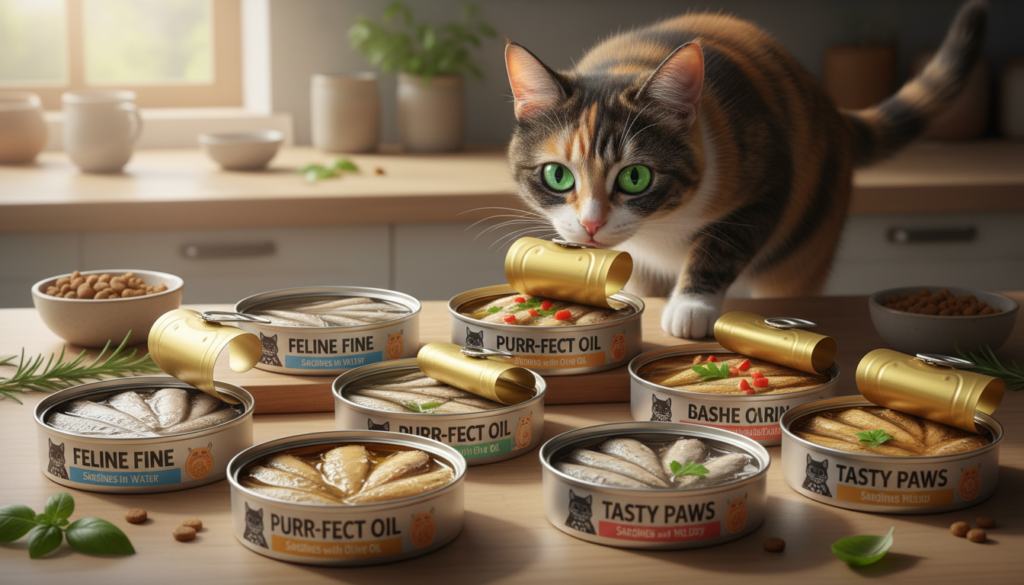
The best choice for your cat is sardines packed in water without added salt. This option avoids harmful sodium for your pet’s kidneys. Canned sardines in water also have fewer calories, which is good for cats watching their weight.
Here are key factors to consider when selecting sardines:
- Look for “no salt added” labels on canned sardines
- Choose sardines packed in water rather than oil
- Check the ingredient list for any harmful additives
- Select smaller sardine species when possible for lower mercury content
- Verify that the product contains only fish and water
Avoid sardines with bones, skin, or spices. While small bones are usually safe, removing them prevents choking. Spices like garlic and onion are toxic to cats and should never be in their food.
Reading labels carefully keeps your cat safe from bad ingredients. Store-bought sardines often have preservatives and seasonings your cat doesn’t need. Fresh sardines are a natural choice but need proper handling and preparation before feeding.
Safe Serving Sizes and Feeding Frequency
Knowing how much sardines to give your cat is key to their health. Sardines are packed with nutrients, so a little goes a long way. Your cat doesn’t need a lot to get the benefits.
Getting the serving size right helps avoid digestive issues and health problems. The timing of when you feed sardines also affects your cat’s diet balance.
Appropriate Portion Guidelines
Cats need small amounts of sardines because they are small and have specific calorie needs. A single sardine once or twice a week is good for most adult cats. If you give your cat canned sardines in water, offer only one-quarter to one-half of a small sardine as a treat.
Your cat should get most of their daily calories from complete cat food. Sardines should not make up more than 5 to 10 percent of your cat’s daily calorie intake. This means sardines are an occasional treat, not a meal replacement.
Kittens and senior cats need even smaller portions. Young cats have developing digestive systems. Older cats may have tooth problems or sensitive stomachs. Start with even smaller amounts for these age groups.
How Often to Feed Sardines to Cats
Feed sardines to your cat no more than two to three times per week. This keeps sardines as a special treat rather than a regular meal. Spacing out sardine feedings prevents nutritional imbalances from developing.
Watch your cat after introducing sardines. Look for vomiting, diarrhea, or changes in eating habits. If your cat shows any negative signs, reduce the frequency or skip sardines altogether. Every cat has different tolerances for new foods.
| Cat Type | Portion Size | Feeding Frequency |
|---|---|---|
| Adult Cats | One-quarter to one-half sardine | 2-3 times per week |
| Kittens | One-eighth sardine | 1-2 times per week |
| Senior Cats | One-eighth to one-quarter sardine | 1-2 times per week |
Always keep fresh water available when feeding sardines. The salt content in sardines makes your cat thirsty. Proper hydration supports kidney function and overall health.
Potential Health Risks of Feeding Sardines to Cats
Sardines can be good for your cat, but there are risks to consider. It’s important to think about your cat’s health before adding sardines to their diet. Always put your cat’s safety first when trying new foods.
Cats have special needs and sensitive stomachs. Sardines in water can be a problem. Knowing these risks helps you make better choices for your cat’s food.
Canned sardines often have too much salt. Cats can’t handle too much salt well. Too much salt can harm their kidneys and cause serious health issues.
Feeding sardines too often can also be a problem. Cats need certain nutrients, like taurine, that sardines don’t have. Relying on sardines alone can lead to health problems.
There’s also a risk of parasites and bacteria in fish. Even canned sardines can be contaminated. Always check the packaging for damage before giving sardines to your cat.
| Health Risk | Cause | Prevention Method |
|---|---|---|
| High Sodium Intake | Salt added in canning process | Choose low-sodium options or rinse sardines |
| Nutritional Imbalance | Sardines lack complete nutrition | Use as treats only, not meal replacements |
| Parasitic Infection | Contaminated fish products | Buy from reputable brands, check packaging |
| Thiamine Deficiency | Raw fish contains thiaminase enzyme | Feed only cooked or canned sardines |
Never give your cat raw sardines. Raw fish can harm your cat’s health. Always choose cooked or canned sardines for your pet.
- Watch for signs of digestive upset like vomiting or diarrhea after feeding sardines
- Monitor kidney function if your cat has pre-existing health conditions
- Limit portions to avoid nutritional imbalances
- Check ingredient labels for added chemicals and preservatives
Talk to your vet before adding sardines to your cat’s diet. Some cats may have allergies or sensitivities to fish. Getting advice from a vet can help keep your pet safe.
Mercury Exposure and Other Safety Concerns
Feeding your cat sardines is important and comes with safety considerations. You’ll learn about mercury exposure and sodium content risks. These are key to keeping your cat healthy and safe.
Industrial pollution has contaminated our waterways, leading to mercury in fish. Fish absorb mercury from their environment. Larger fish, like tuna and swordfish, have more mercury because they eat smaller fish.

Understanding Mercury Levels in Small Fish
Sardines are safer than other fish when it comes to mercury. Their small size and low position in the food chain mean they have less mercury. But, remember, even low mercury fish have some mercury.
Feeding your cat fish too often can lead to mercury buildup. This can harm your cat’s health. Mercury toxicity can cause problems like tremors and coordination issues.
Feeding your cat sardines 1-2 times a week is best. This helps manage mercury risk. It gives your cat’s body time to process and get rid of mercury.
| Fish Type | Mercury Level | Risk for Cats | Safe Feeding Frequency |
|---|---|---|---|
| Sardines | Low | Minimal if fed properly | 1-2 times per week |
| Tuna | Moderate to High | Higher risk | Once monthly or less |
| Swordfish | Very High | Not recommended | Avoid entirely |
| Mackerel | Moderate | Moderate risk | Once every 2 weeks |
Salt Content and Kidney Health
Cats don’t drink much water, making them prone to dehydration and kidney issues. Senior cats are at higher risk due to chronic kidney disease (CKD).
Too much sodium harms your cat’s kidneys and heart. It can worsen kidney problems and lead to high blood pressure. These issues are more serious in older cats with failing kidneys.
Choose sardines in water without added salt for your cat’s safety. Even low-sodium options can have too much salt. Always drain and rinse sardines before serving to remove salt.
Cats with CKD need extra care. Your vet might advise against sardines to protect their kidneys. This helps avoid sodium stress on already damaged kidneys.
- Always select sardines packed in water, never oil or brine
- Read labels carefully for sodium content per serving
- Drain the packing liquid completely
- Rinse sardines under fresh water before serving
- Limit portions to 1-2 teaspoons for average cats
- Consult your vet if your cat has kidney disease
- Monitor your cat for signs of sodium sensitivity
By following these guidelines, you can safely give your cat sardines. This reduces mercury and sodium risks. Your careful preparation is key to protecting your cat’s health.
Using Sardines to Attract and Care for Feral Cats
Feral cats have a hard time finding food. Sardines are great for attracting and caring for them. Their smell and taste trigger cats’ hunting instincts, perfect for TNR programs and caring for community cats.
Building trust with feral cats takes time and patience. Sardines in water are a nutritious way to start. They have high protein and omega-3 fatty acids, which are good for cats living outside.
- Use fresh sardines in water, not oil-packed ones, to avoid too much fat
- Put sardines in shallow dishes at the same times every day
- Take away food that’s not eaten in 30 minutes to stop it from spoiling
- Make sure they have fresh water, not mixed with their food
- Feed them in places away from where people are
Nutritional support is key for feral cats. Sardines give them important vitamins and minerals. These help their immune system and energy levels. They also have calcium, which is good for their bones.
Don’t give feral cats too many sardines to avoid salt problems. Giving them small amounts twice a week is better. This keeps their hunting skills sharp while giving them extra nutrition.
Groups that manage feral cat colonies often use sardines in their feeding plans. This helps the cats’ health and keeps them independent and able to survive outdoors.
Best Practices for Preparing Sardines for Your Cat
Getting your cat ready for sardines needs careful planning. You must know how to prepare them safely and healthily. The method changes based on whether you choose fresh or canned sardines. Learning these steps ensures your cat gets a nutritious meal without digestive issues.
Fresh Versus Canned Sardines
Fresh and canned sardines differ in preparation. Fresh sardines have natural nutrients without salt or preservatives. You can find them at fish markets or grocery stores. Canned sardines in water are convenient and last longer.
Think about what fits your lifestyle best:
| Sardine Type | Salt Content | Preparation Time | Storage Duration | Best For |
|---|---|---|---|---|
| Fresh Sardines | No added salt | 15-20 minutes | 2-3 days refrigerated | Cats with kidney concerns |
| Canned in Water | Low sodium option | 5 minutes | 2-3 years unopened | Quick meals and storage |
| Canned in Oil | Moderate salt | 5 minutes | 2-3 years unopened | Adding omega-3s |
Proper Preparation and Serving Tips
Correct preparation ensures your cat gets the most nutrition safely. Follow these steps for safe feeding:
- Rinse canned sardines under fresh running water to reduce sodium levels
- Remove all bones from fresh sardines, as they can cause choking hazards
- Cut sardines into small pieces matching your cat’s mouth size
- Serve at room temperature, never cold straight from refrigeration
- Place small portions on a separate dish away from your cat’s regular food
- Remove uneaten portions after 15 minutes to prevent spoilage
Always drain excess liquid from canned sardines before serving. Never use sardines packed in oil or salt as your cat’s primary protein source. Introduce new foods slowly to avoid digestive problems. Start with tiny amounts the first time you offer sardines.
Store opened canned sardines in airtight containers in the fridge. Keep fresh sardines on ice or in the coldest fridge part. Discard any sardines with an off smell or color change.
Conclusion
Sardines in water are safe and good for cats if given right. They offer many benefits like omega-3 fatty acids for heart health. They also have high-quality protein and vitamins that keep your cat healthy.
It’s key to pick the right sardines. Choose those in plain water, without salt or oil. Always give the right amount to keep your cat safe. Think of sardines as a special treat, not a main food.
Start with small amounts of sardines and watch your cat. Talk to your vet before changing your cat’s diet, especially if they have health issues. You now know how to safely give sardines to your cat. This can make their diet better and strengthen your bond.
FAQ
Can cats eat sardines in water safely?
Yes, cats can safely eat sardines in water as an occasional treat. Sardines in water are better than those in oil or brine. They are a good choice for your cat’s diet. But, give them in small amounts and make sure they’re prepared right to avoid digestive problems.
What are the main nutritional benefits of sardines for cats?
Sardines are packed with nutrients like proteins, amino acids, and omega-3 fatty acids. These help your cat’s heart, coat, and joints. They also have vitamins and minerals like vitamin D, B12, and calcium, which are good for your cat’s health and bones.
How do omega-3 fatty acids benefit your cat’s health?
Omega-3 fatty acids in sardines are great for your cat. They help your cat’s heart, coat, and skin. They also reduce inflammation and support joints, which is good for older cats or those with arthritis.
How much sardine should you feed your cat?
Feed your cat sardines in small amounts as treats, not meals. Give them one or two small sardines, or about one teaspoon of flesh for smaller cats. This keeps your cat healthy without upsetting their diet.
How often can you safely feed sardines to your cat?
Feed sardines to your cat no more than once or twice a week. This keeps their diet balanced and prevents health problems. If your cat has health issues, talk to your vet about how often to feed sardines.
What type of sardines are best for your cat?
Choose sardines packed in water, not oil or brine. Canned sardines are easy to find and use. Make sure they don’t have added preservatives or too much salt.
Are there health risks associated with feeding sardines to your cat?
Sardines are usually safe for cats, but there are risks. Mercury, salt, and digestive upset can be problems. Watch for signs of trouble and talk to your vet if your cat has health issues.
What mercury levels should you be aware of when feeding sardines?
Sardines have low mercury levels, making them safer than tuna or mackerel. They’re a good choice for cats when fed in small amounts.
How does salt content in sardines affect your cat’s kidney health?
Salt in sardines can harm your cat’s kidneys, especially if they have kidney disease. Choose sardines in water and rinse them to reduce salt intake.
What’s the difference between fresh and canned sardines for your cat?
Fresh sardines are more natural but need careful handling. Canned sardines in water are convenient and safe, as long as they’re low in sodium and without additives.
How should you properly prepare sardines before serving to your cat?
Rinse canned sardines in water to cut down on salt. Remove bones and cool them to room temperature. Serve them plain and in small pieces to avoid choking hazards.
Can you use sardines to attract feral cats?
Yes, sardines are great for attracting feral cats. Their smell and taste are very appealing. Use them to trap feral cats for vaccinations or neutering.
What should you do if your cat shows signs of digestive upset after eating sardines?
If your cat vomits, has diarrhea, or loses appetite after eating sardines, stop feeding them. Contact your vet. These signs might mean your cat is sensitive to fish or ate too much too fast.
Are sardines suitable for cats with allergies?
Cats with fish allergies should avoid sardines. Allergic reactions can include itching, skin problems, or digestive issues. Talk to your vet before adding sardines to your cat’s diet.
Can sardines help improve your cat’s appetite?
Sardines can make your cat more interested in eating. Their smell and taste are appealing. Mix a little sardine with their regular food to encourage eating. But, don’t replace their main diet with sardines.
What vitamin D benefits do sardines provide for your cat’s bones?
Sardines are rich in vitamin D, which is key for strong bones. Vitamin D helps your cat absorb calcium, keeping bones strong. This is especially important for kittens and older cats.
How does vitamin B12 from sardines support your cat’s nervous system?
Vitamin B12 in sardines is vital for your cat’s nervous system. It supports energy, red blood cells, and brain function. Keeping B12 levels up helps your cat stay mentally sharp and energetic.
What role do calcium and iron play in your cat’s health from sardines?
Calcium and iron in sardines are important for your cat’s bones and blood. Calcium and vitamin D work together to keep bones strong. Iron helps with oxygen transport, supporting your cat’s energy and endurance.
Can you give sardines to kittens?
Sardines are safe for kittens, but only after they start eating solid food. Give them very small amounts. Always check with your vet before adding sardines to your kitten’s diet.
Are there any cat breeds that shouldn’t eat sardines?
No cat breed should avoid sardines, but cats with health issues should not eat them. Cats with kidney disease, heart problems, or fish allergies should not have sardines. Also, older cats with dental issues or dietary restrictions should avoid sardines.